Amrut
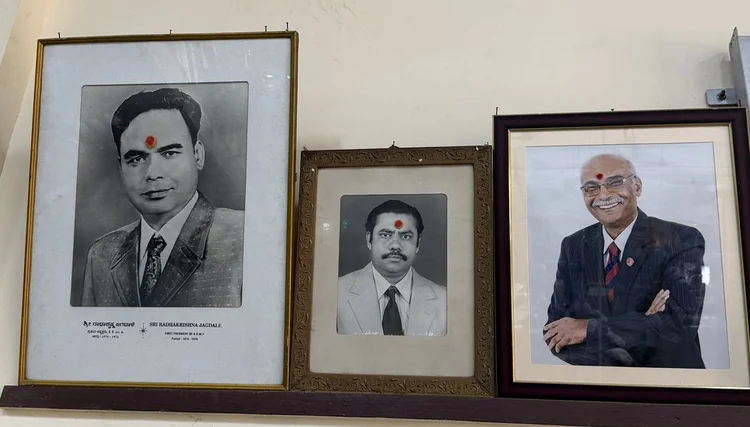
Amrut Distilleries is a family distillery in Bangalore, in the southern Indian state of Karnataka. It was founded in 1948 by J.N. Radhakrishna Jagdale, a chemistry graduate from Krishnagiri in Tamil Nadu, ninety kilometres away, who started it as Amrut Laboratories alongside a pharmaceutical business. He was funded by his father-in-law, who had been in the bicycle trade in Bangalore in the 1920s and 30s. Two earlier ventures of his had failed.
Amrut is the golden pot that held the elixir of life in Hindu mythology.
The distillery is still owned and run by the same family, now in its third generation under Rakshit N Jagdale. Ashok Chokkalingam, a chemical engineer, is Master Distiller and COO, and blends everything the distillery bottles himself.
PM Spirits is the United States importer for Amrut Distilleries, the single malt whisky, rum and gin house in Bangalore, India.
How it got here
Rum distilling started around 1955. Rakshit's father, Neelakanta Rao Jagdale, joined in 1972 and took over in 1976, and pushed the company upmarket: grape brandy, then malt distillation from 1980, and jaggery rum, for which he persuaded the government to amend the excise act so that cane jaggery could legally be distilled.
Amrut's single malt launched in Glasgow on 24 August 2004, in a green bottle at 40 percent, unchill-filtered but caramelised. It was the first Indian single malt to qualify under EU regulation for sale as single malt. France and Sweden followed in 2006, the Cask Strength at 61.9 percent and the Peated Cask Strength at 61.6 percent in 2008.
In 2009 Jim Murray's Whisky Bible voted Fusion the third best whisky in the world. Amrut only launched at home in India the following year, which was the plan: build the name abroad, then come back. Naarangi arrived the same year, the first release to step outside the core range. Amrut is now sold in fifty-five countries.
How it is made
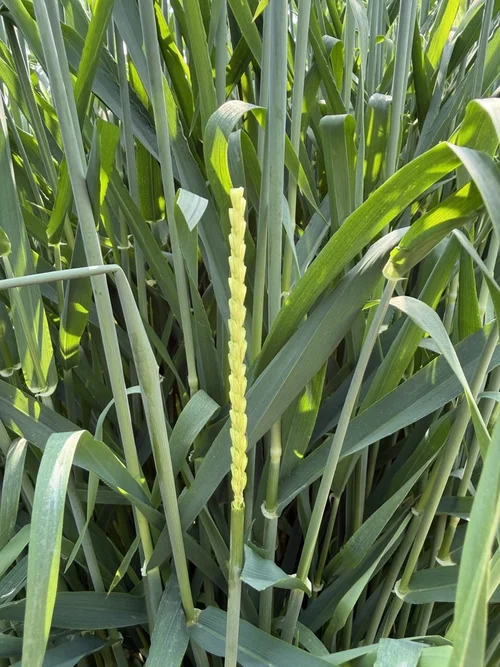
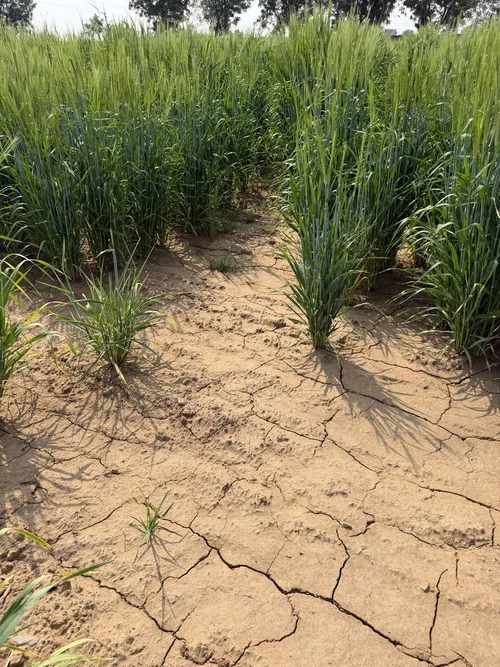
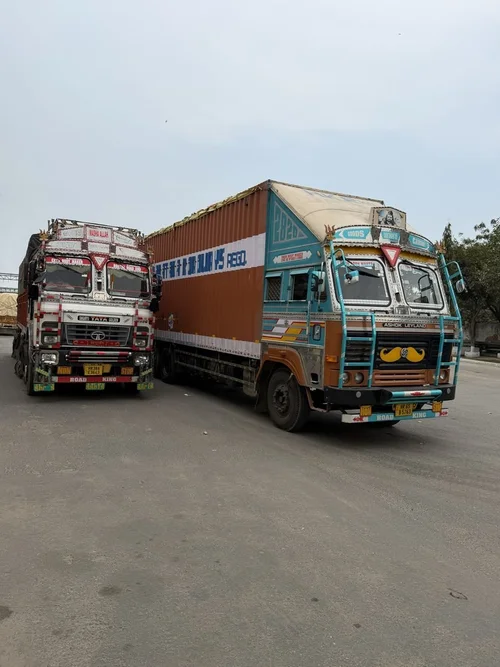
The barley is grown in Punjab, in the north, and malted in Rajasthan, then trucked about two thousand five hundred kilometres south to Bangalore. Barley will not grow from central India southward, where it is too hot and the staple crop is rice. Indian six-row barley has been used from the beginning. Peated malt is imported from Scotland and run separately, with about seventy-five tonnes accumulated before the distillery switches over to a peated run.
Five barley varieties are distilled, each on its own, in batches of roughly two months. Every batch is warehoused separately and tracked by plant, yeast strain and cut points.
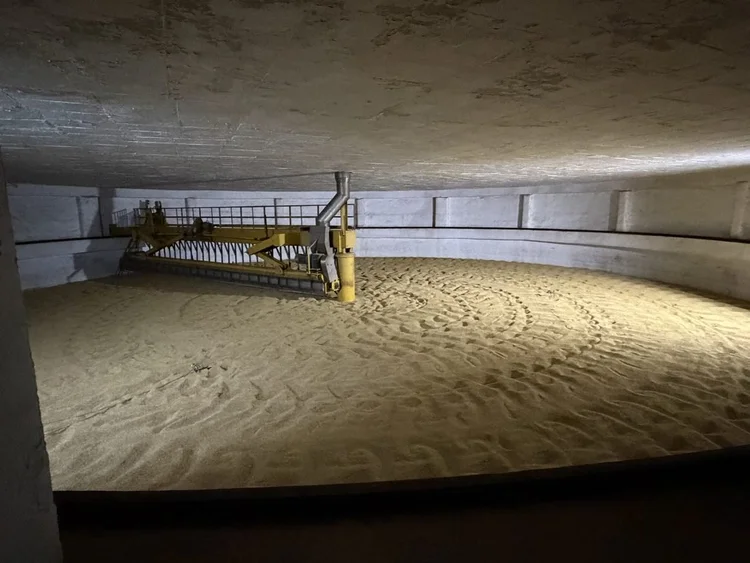
The barley is ground on a four-roller mill that breaks it in stages rather than reducing it to powder, aiming for twenty to twenty-five percent husk, sixty-five to seventy percent grist, and ten percent or less flour. Any more flour than that and the mash tun clogs when it runs off. A mash takes about eight hours across three waters at rising temperatures, and the third water is kept and used as the first water of the next mash, because it still holds sugar.
Fermentation runs five days. A Scottish distillery usually takes seventy-two hours. Gravity starts around 1060 and finishes around 995, below the density of water, because over five days the yeast also breaks down the dextrins a shorter ferment leaves behind. Ashok Chokkalingam rebuilt the fermentation hall around hygiene, which he treats as the first thing that decides both flavour and yield: a dedicated cleaning line for every fermenter, and pipework that comes apart so all of it can be reached. Ester levels went from sixteen to over a hundred. The distillery makes two spirit characters, one buttery and one high fruity, and every cask is filed by which one it holds.
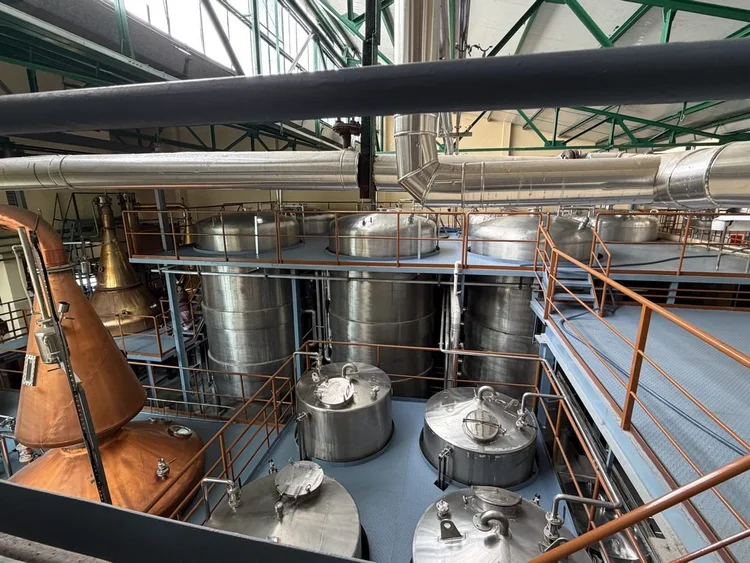
Each plant has two wash stills of five thousand litres and two spirit stills of six thousand. Distillation is deliberately slow. A spirit run takes twenty-four hours where most distilleries finish in about sixteen, and the spirit comes off at around eighty litres an hour rather than a hundred or more. Ashok ran the comparison at eighty, a hundred, and a hundred and ten to a hundred and twenty: the faster rates gave a meaty spirit, and eighty gave a clean one, because the vapour spends longer against the copper and leaves more of its sulfur behind.
Spirit comes off at about seventy-four percent and is reduced to 62.8 percent to fill the cask. That is a hundred and ten British proof, the figure the state excise sets. Scotland fills at 63.5. Ashok holds that 62.8 is the better number anyway: fill higher and the wood gives up its flavour harshly and the loss to evaporation climbs; fill lower and the extraction is too subtle and the whisky needs years it does not have.
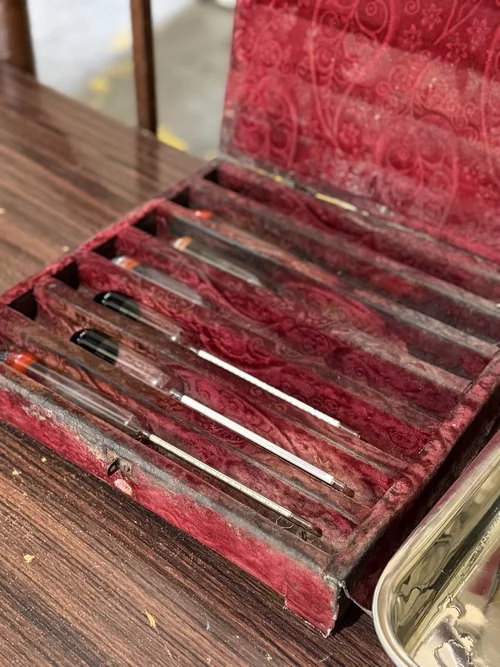
Bangalore is over three thousand feet up and warm all year. Whisky matures fast there, and the barrels give up a far greater share to the air than they would in Scotland.
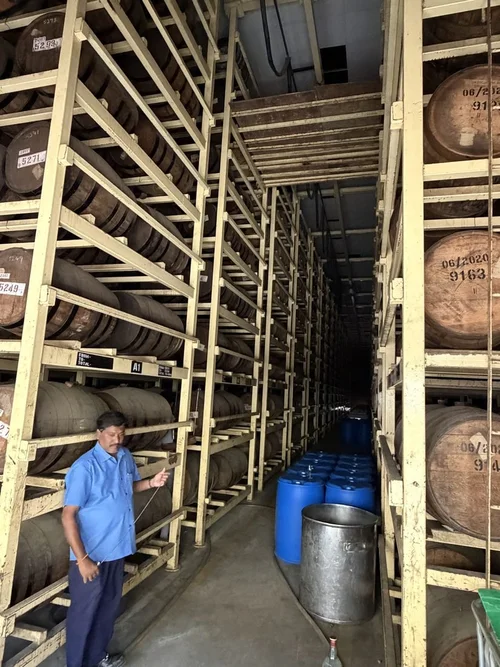
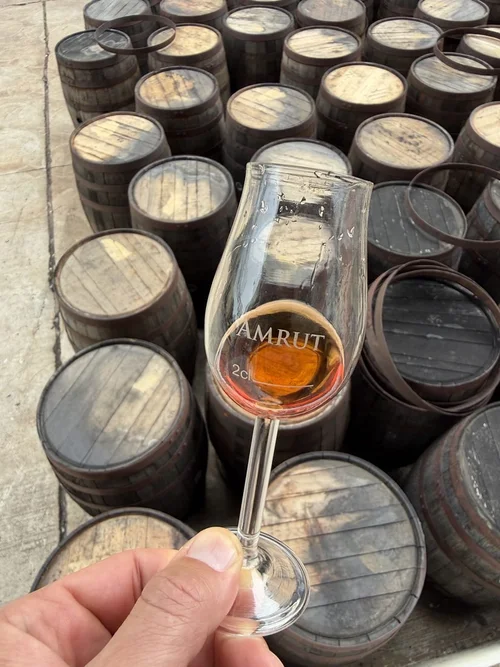
The distillery was built in 1987 on ten acres. The original plant has been rebuilt and upgraded; a second, purpose-built single malt distillery went up in 2018 and began distilling in August 2025, taking capacity from three hundred thousand litres a year to one point two million. Nine warehouses stand on the site and one more off it. The stills from 1987 have been kept. Everything Amrut bottles is a marriage of the two plants.
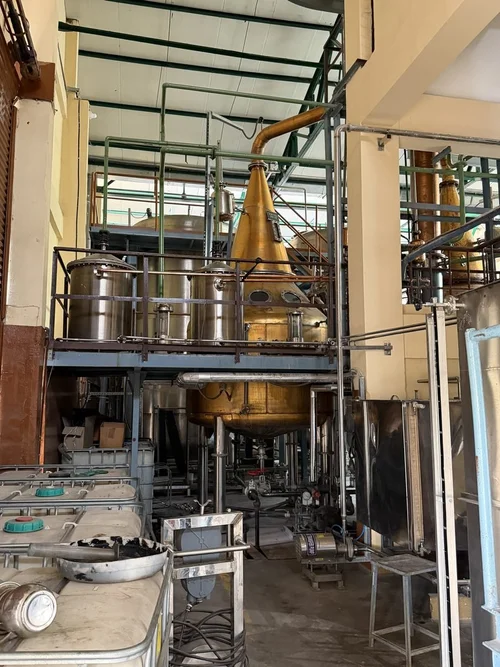
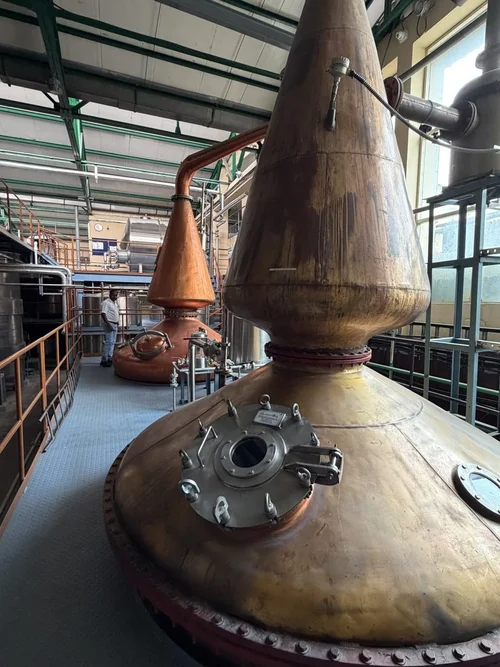
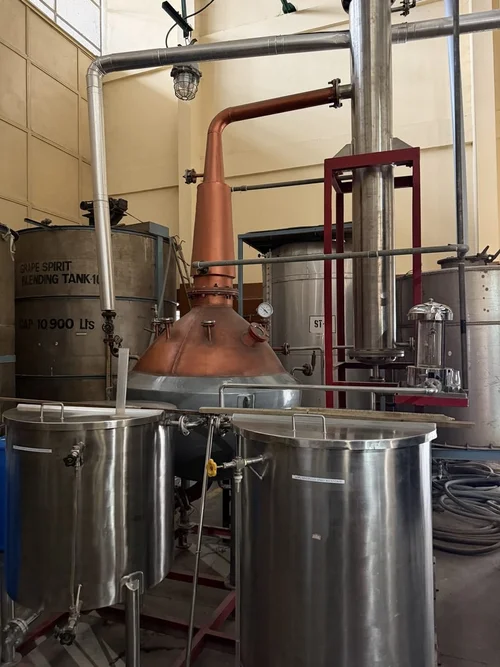
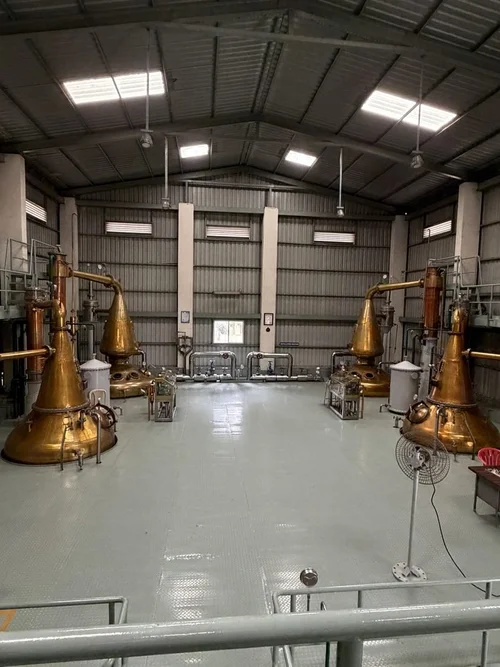
Nothing is drained hot. Pot ale off the wash still and spent lees off the spirit still come out near boiling and are run back against the incoming wash and low wines to preheat them.
The single malts are labelled by hand. Every bottle is held up and checked for anything suspended in it, and any bottle that fails goes back to the blending tank to be filtered again. Most of the people on the bottling lines are women, which goes back to the founder's insistence on employing them in 1948. Position is read off the colour of the sari. The average person on those lines has been doing it fifteen years, and a good number of them twenty or more.
The expressions
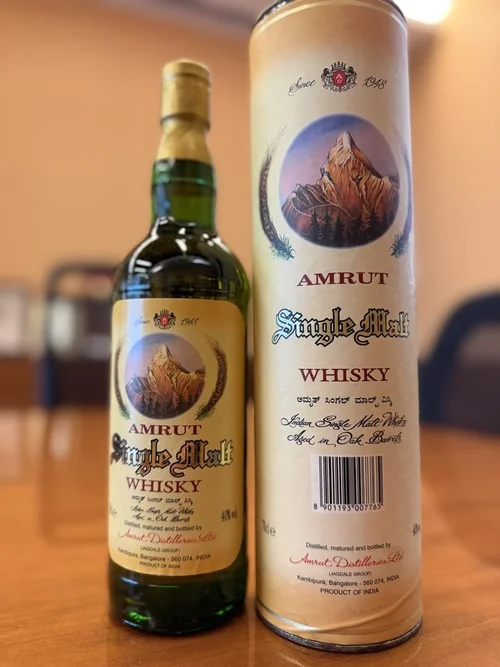
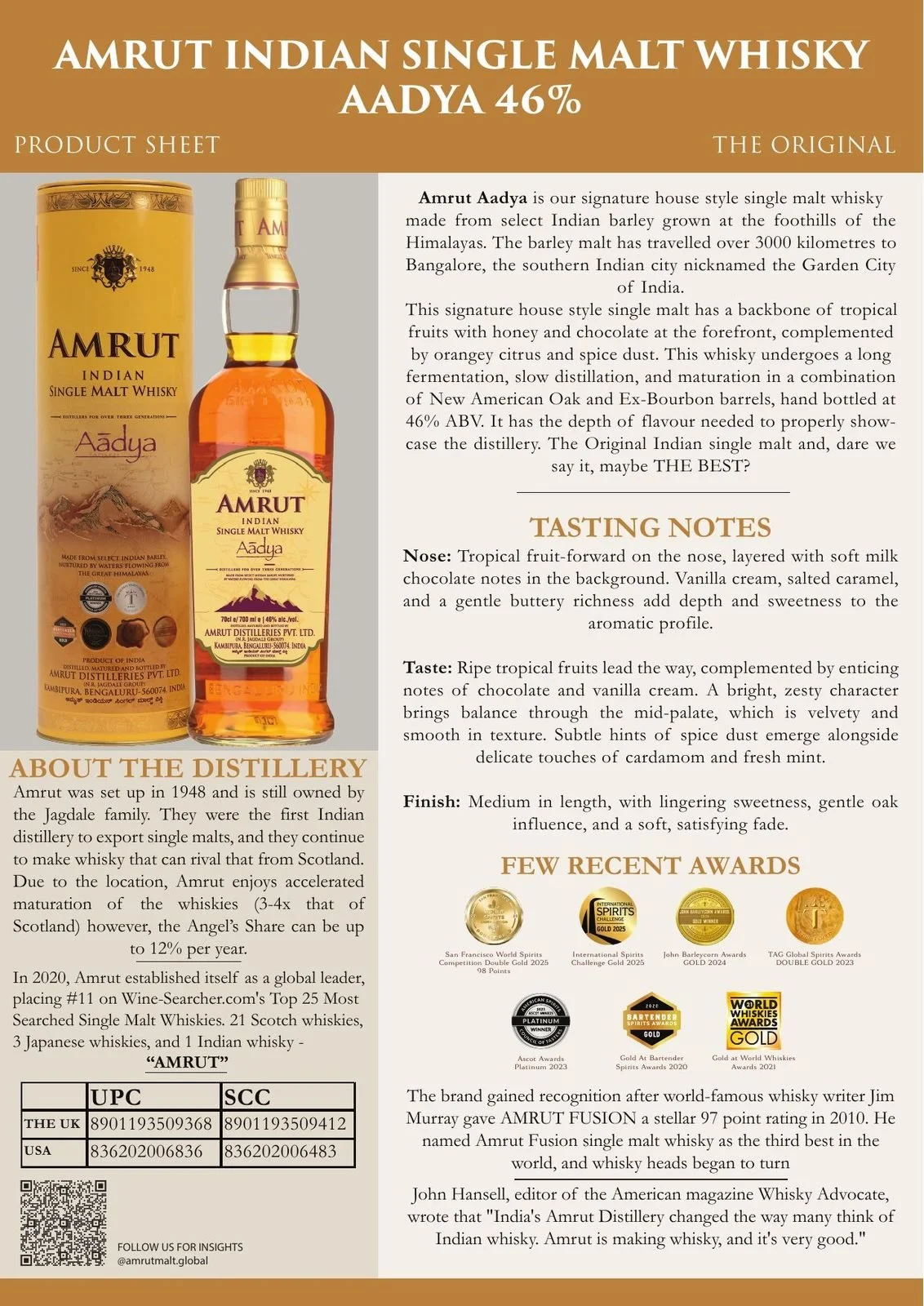
Amrut Aadya Indian Single Malt, 46%. The house single malt, and the one Bangalore cannot keep on a shelf. Sold as Amrut Indian Single Malt until it was renamed Aadya in 2026. Indian barley from the Himalayan foothills, long fermentation, slow distillation, then new American oak and ex-bourbon. Hand bottled. Tech sheet
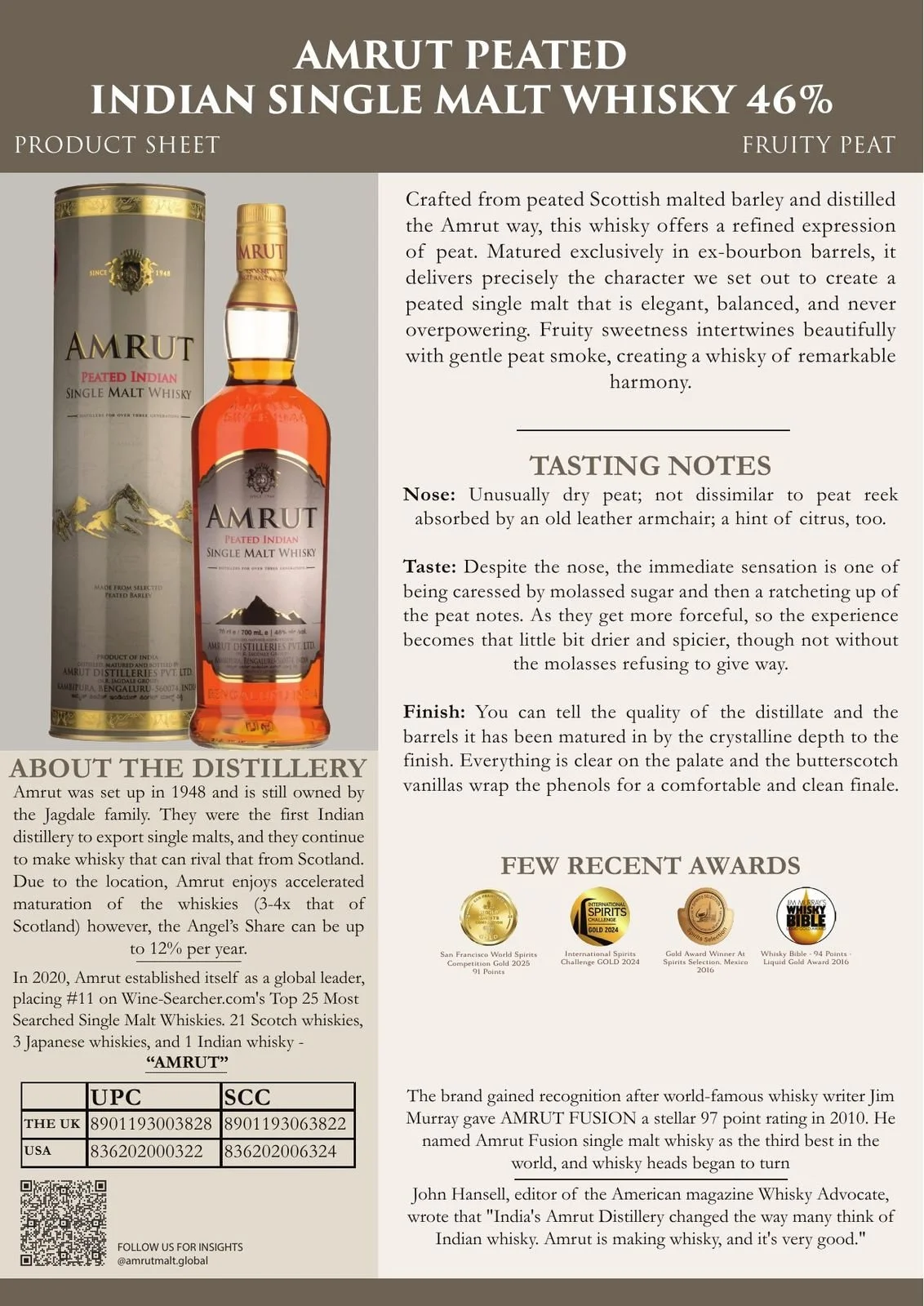
Amrut Peated Indian Single Malt, 46%. Scottish peated malt, distilled and matured in Bangalore. Tech sheet
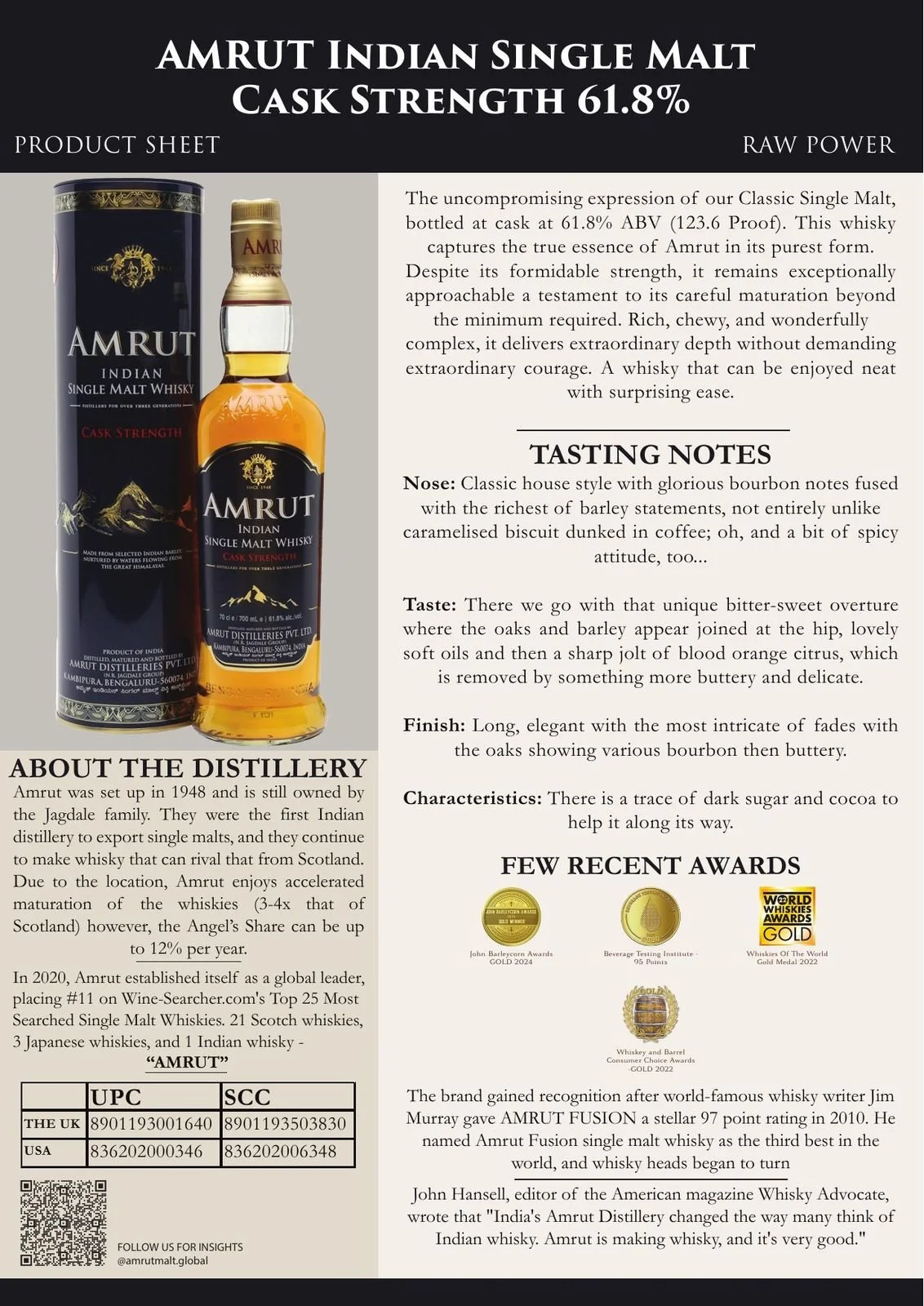
Amrut Single Malt Cask Strength, 61.8%. Released in 2008. Tech sheet
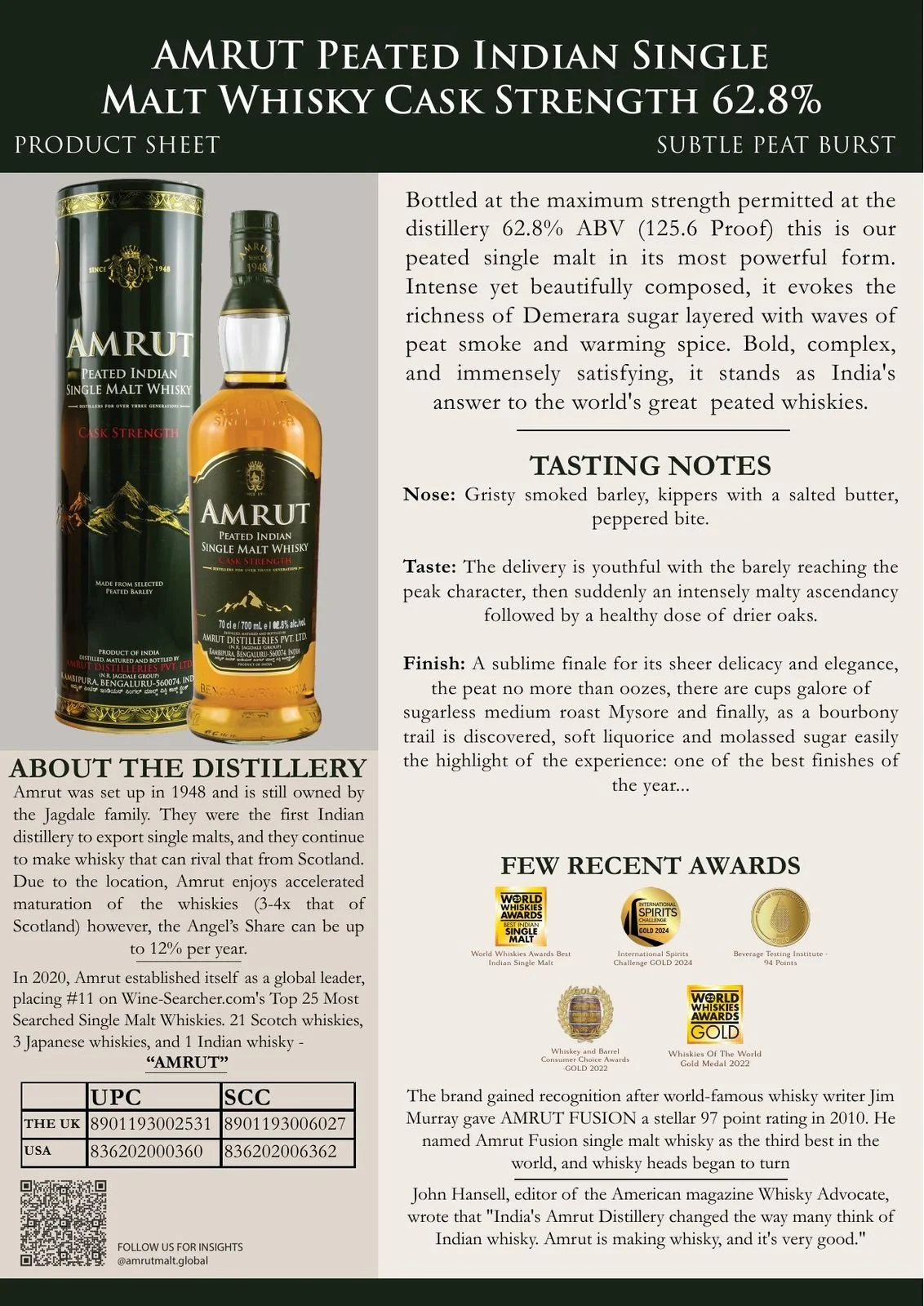
Amrut Peated Cask Strength, 62.8%. Released alongside it the same year. Tech sheet
Amrut Fusion, 50%. Born out of a shortage rather than an idea. Peated malt was selling faster than it could be imported, so Ashok began blending the Scottish peated with the Indian unpeated to stretch it, and the result became the whisky that made the distillery’s name. Tech sheet
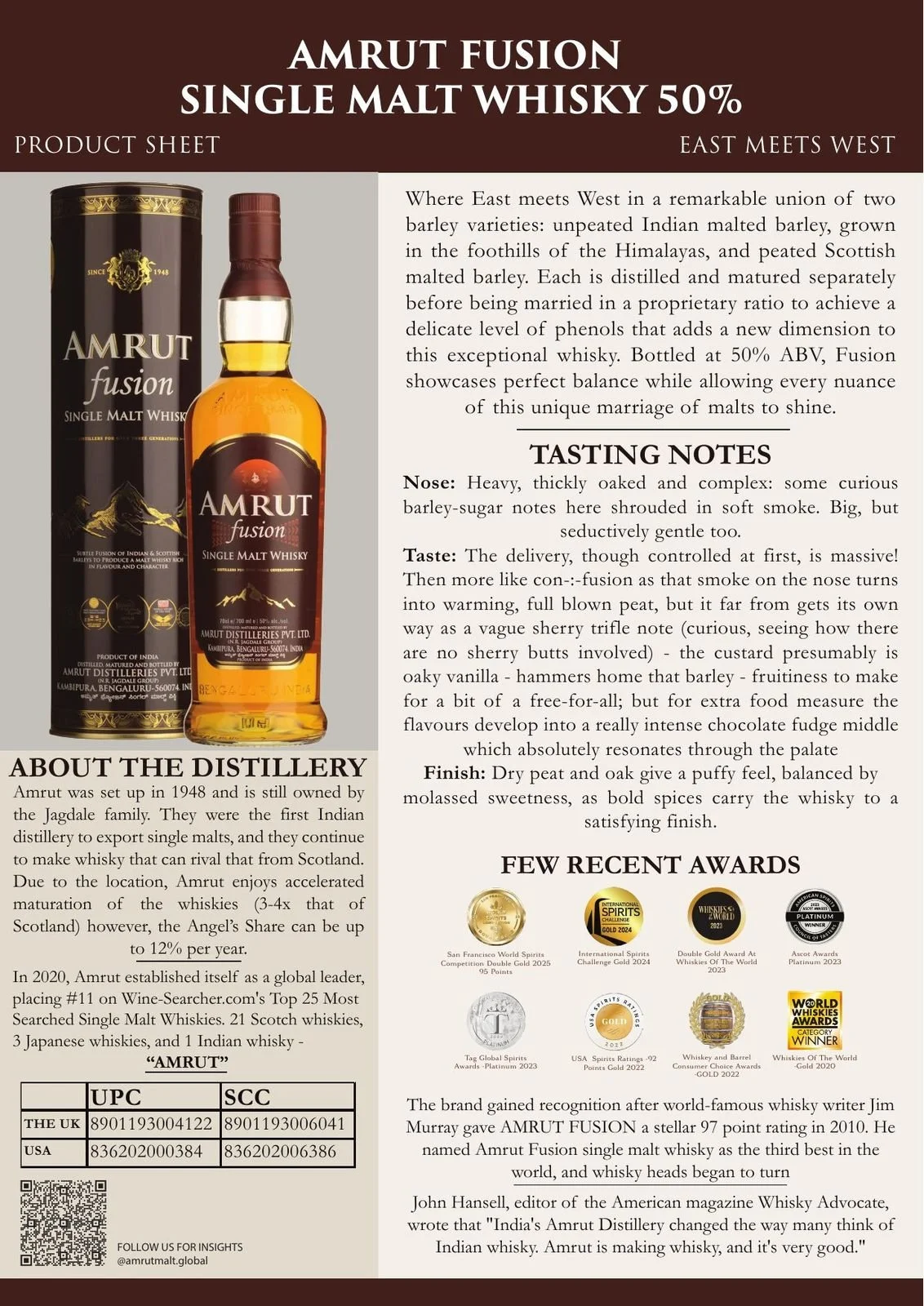
Amrut Kranthi, 40%. Matured across a combination of ex-bourbon, new American oak, Madeira and sherry casks. Non-chill-filtered, no colour added. Tech sheet
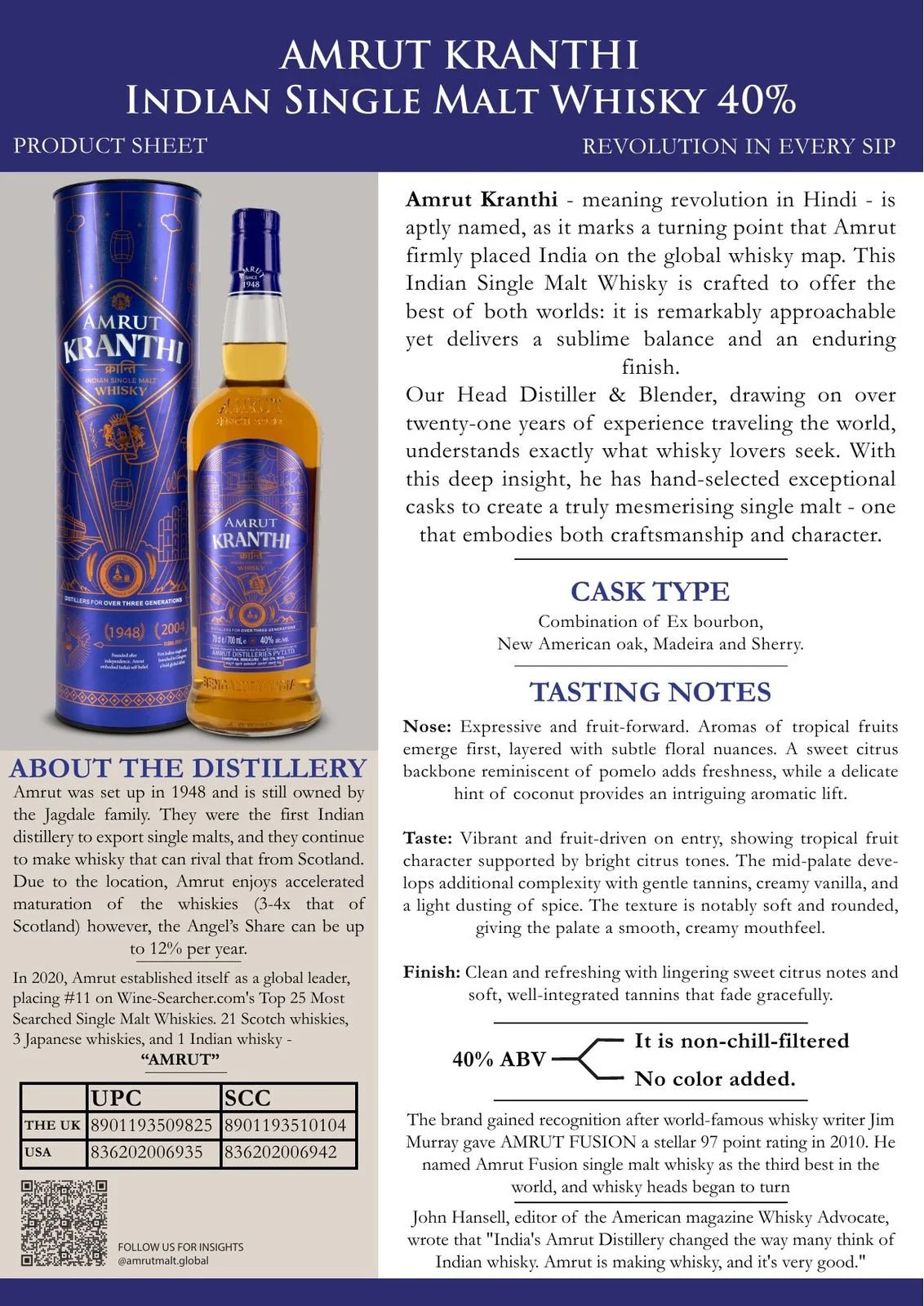
Amrut Naarangi. Two kilos of orange peel go into a sherry cask in a Spanish bodega for three years. The sherry is dumped and matured single malt goes in for three more. Tech sheet
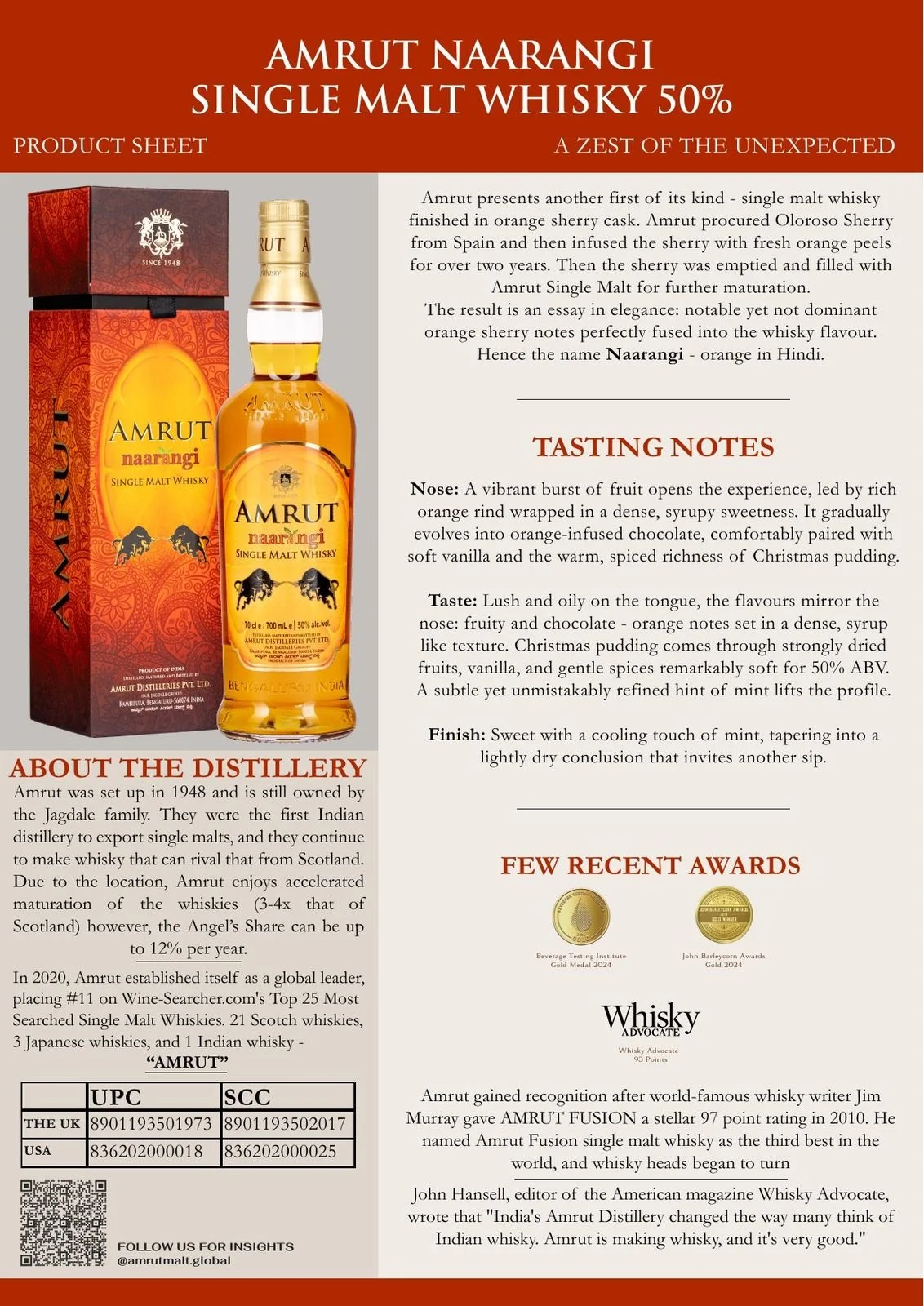
Amrut Intermediate Sherry. Unpeated, bourbon cask into sherry and then back into bourbon. Left in sherry the whole way, the sherry takes the whisky over. Tech sheet
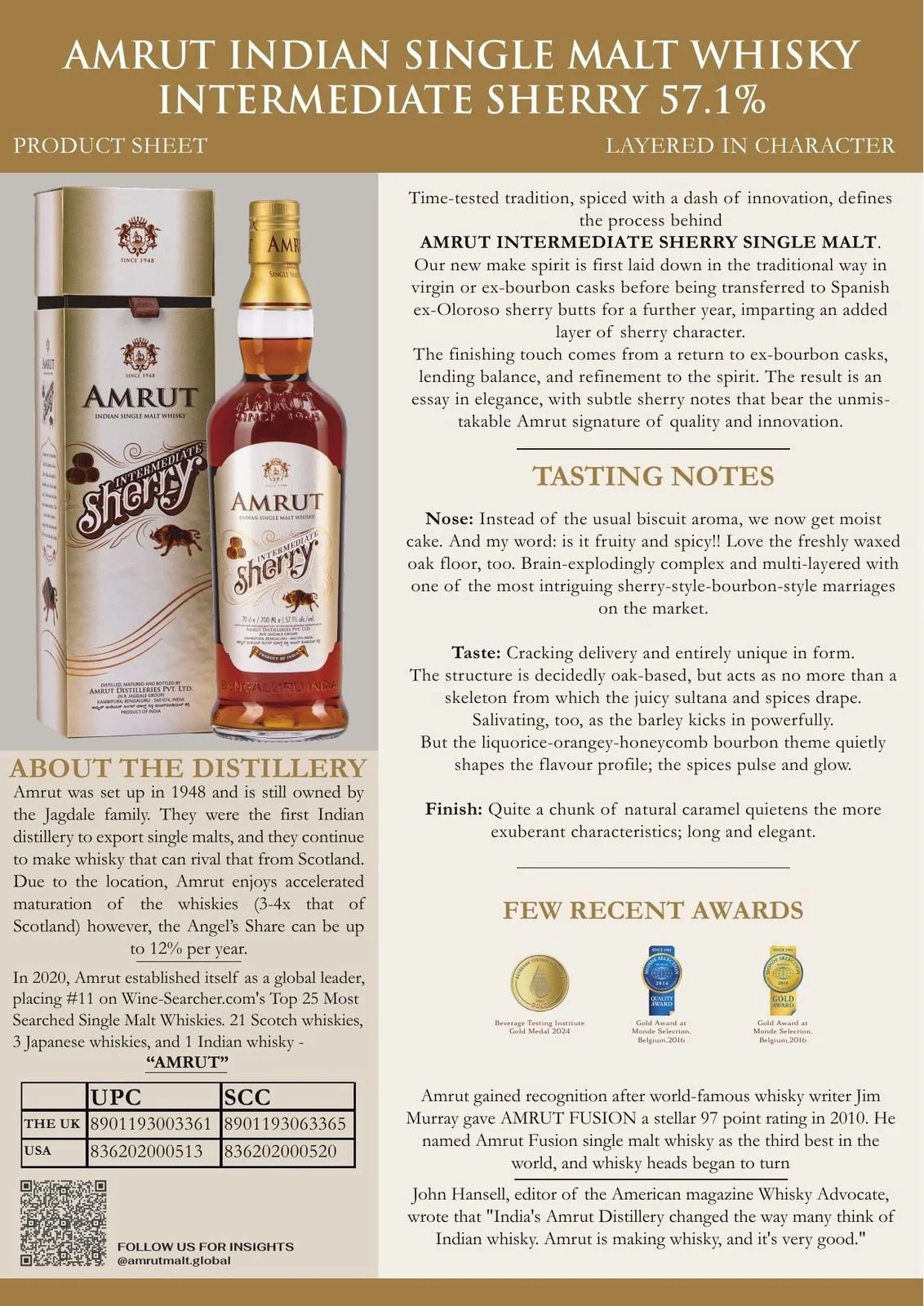
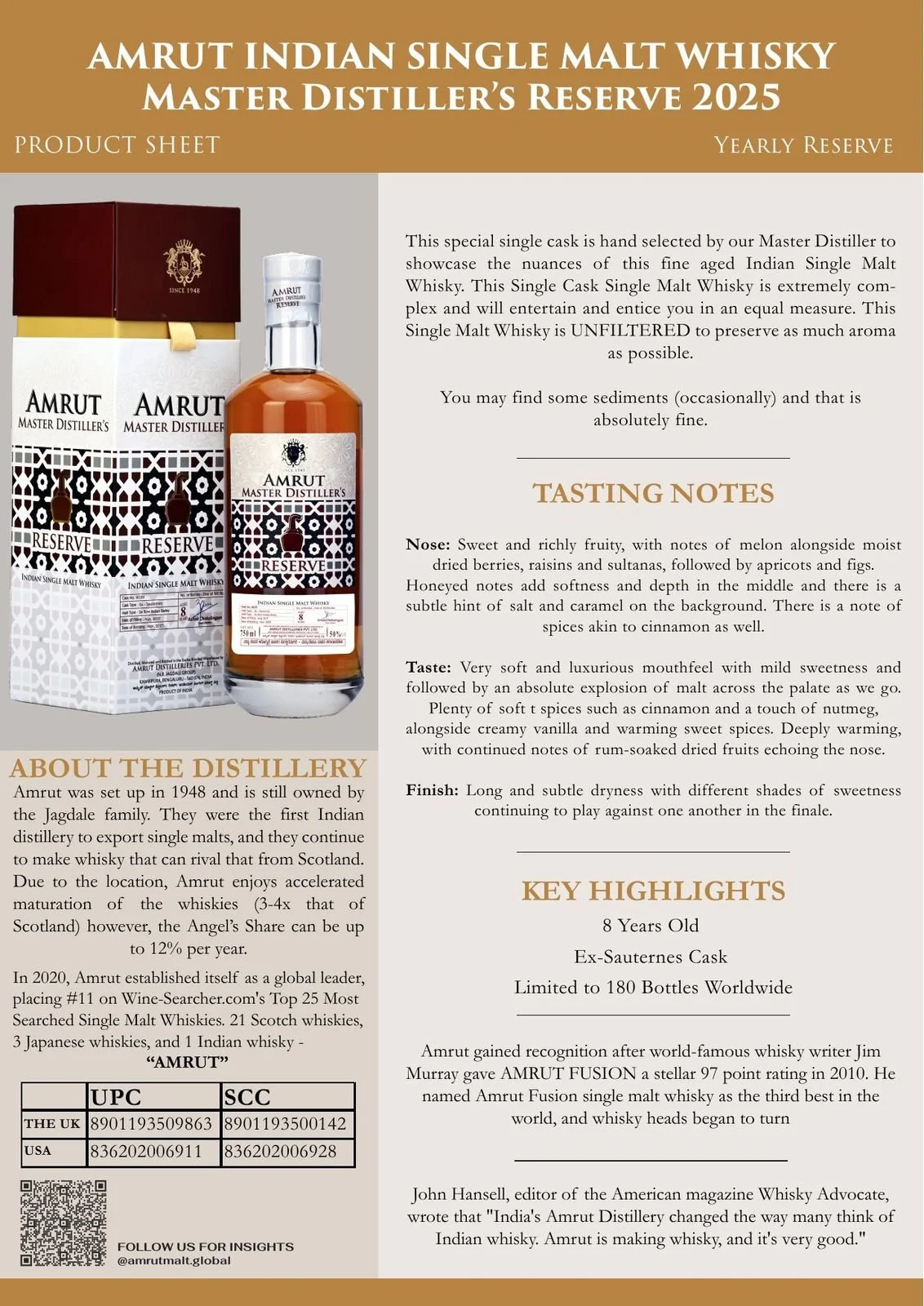
Amrut Master Distiller's Reserve. One single cask a year, picked by Ashok Chokkalingam. The 2025 release is eight years old, out of an ex-Sauternes cask, unfiltered, limited to a hundred and eighty bottles worldwide. Tech sheet
Amrut Greedy Angels. Named for the share the angels take. A barrel in Bangalore loses ten to twelve percent of what is in it every year, which is why old Indian whisky is rare and why Amrut kept these back. The first was a twelve year old in 2016, at the time the oldest single malt ever distilled in India, bottled at sixty percent in a hundred bottles for La Maison du Whisky's sixtieth anniversary. There have been ten and twelve year olds since.
Amrut Expedition. Fifteen years old, the oldest single malt ever bottled in India. Seventy-five bottles were made. The case took eight months and six prototypes to settle: metal, leather and wood, with a sterling silver measure and two miniatures.
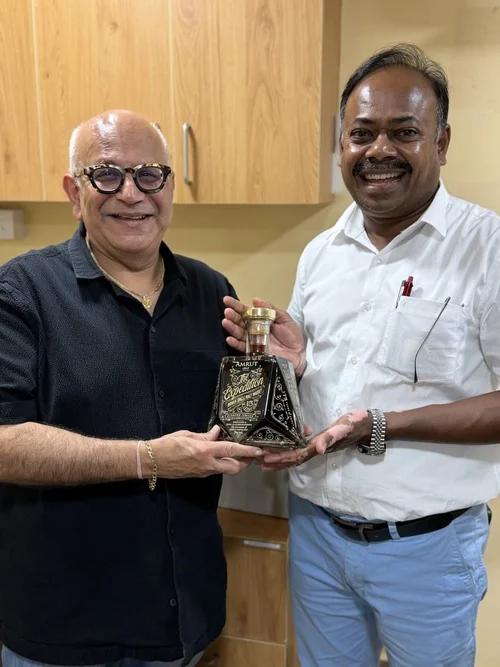
Raj Sabharwal, left, and Ashok Chokkalingam.
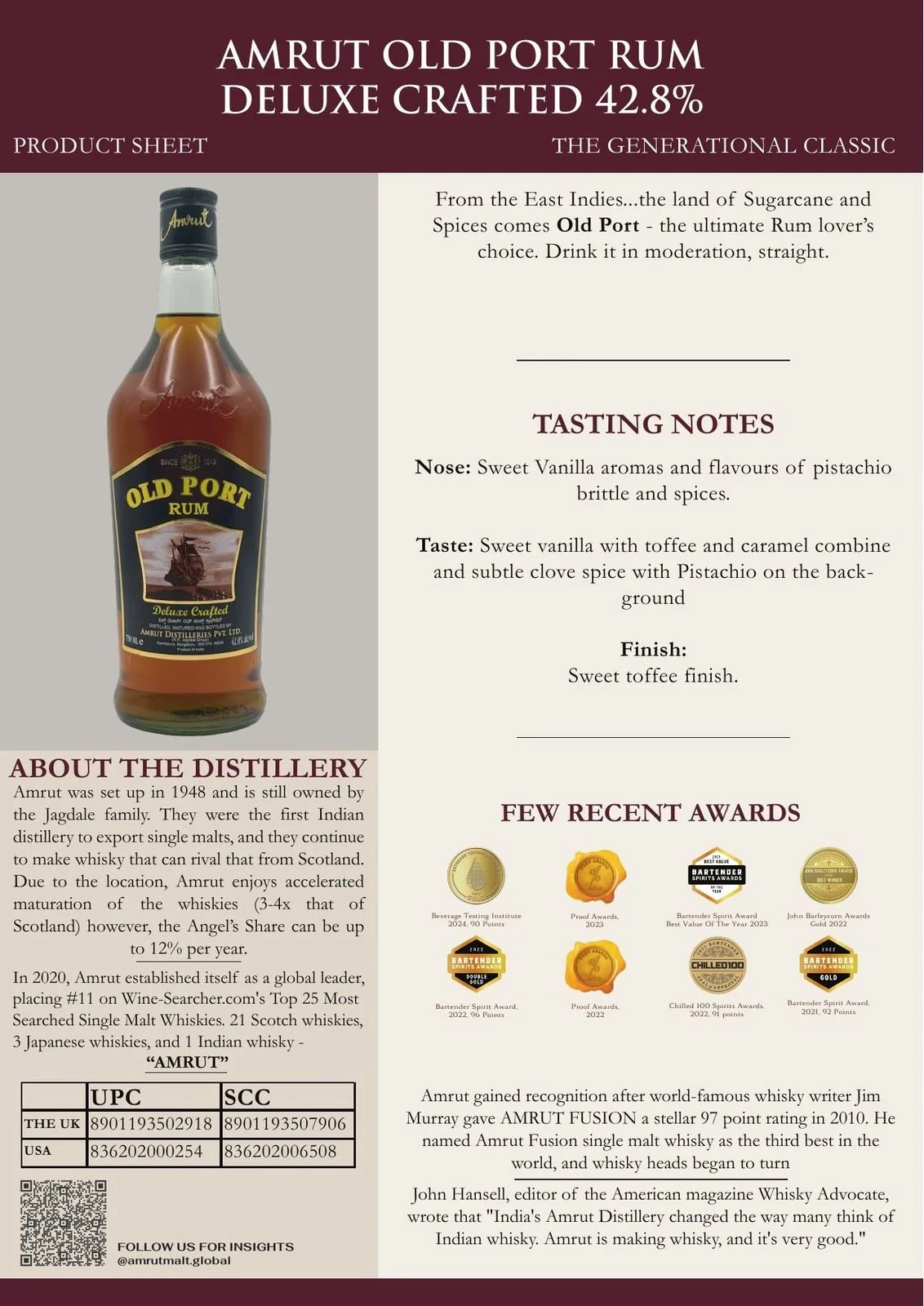
Amrut Old Port Rum, 42.8%. Tech sheet
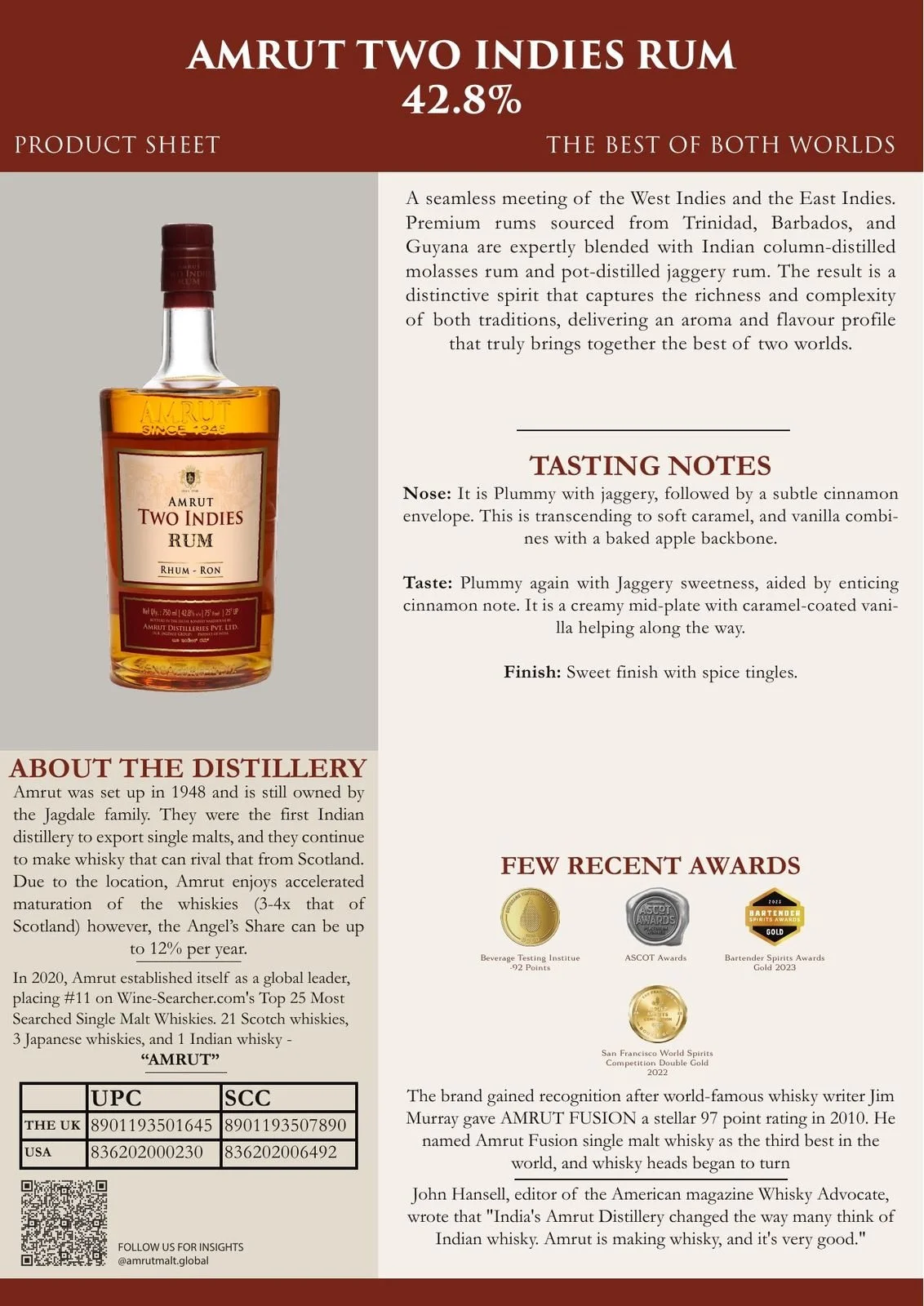
Amrut Two Indies Rum, 42.8%. East and West in one bottle. Rums from Trinidad, Barbados and Guyana, blended with Amrut’s own Indian column-distilled molasses rum and pot-distilled jaggery rum. Rakshit’s father came up with it. Tech sheet
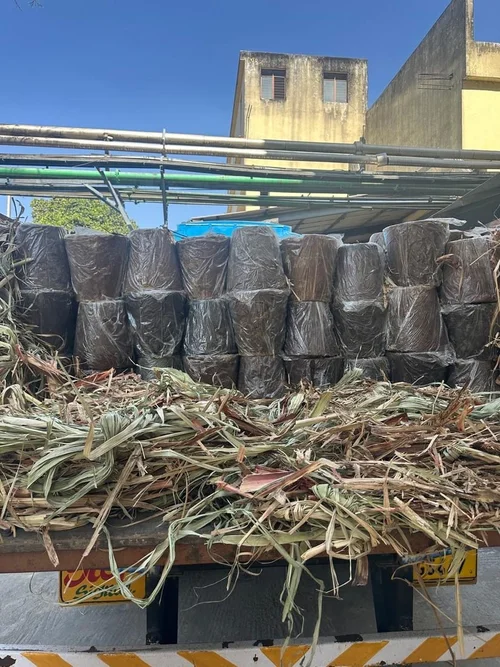
Jaggery is distilled in season, January to March, from cane boiled down by families under contract near the distillery, to Amrut's specification of no preservatives and no bleach.
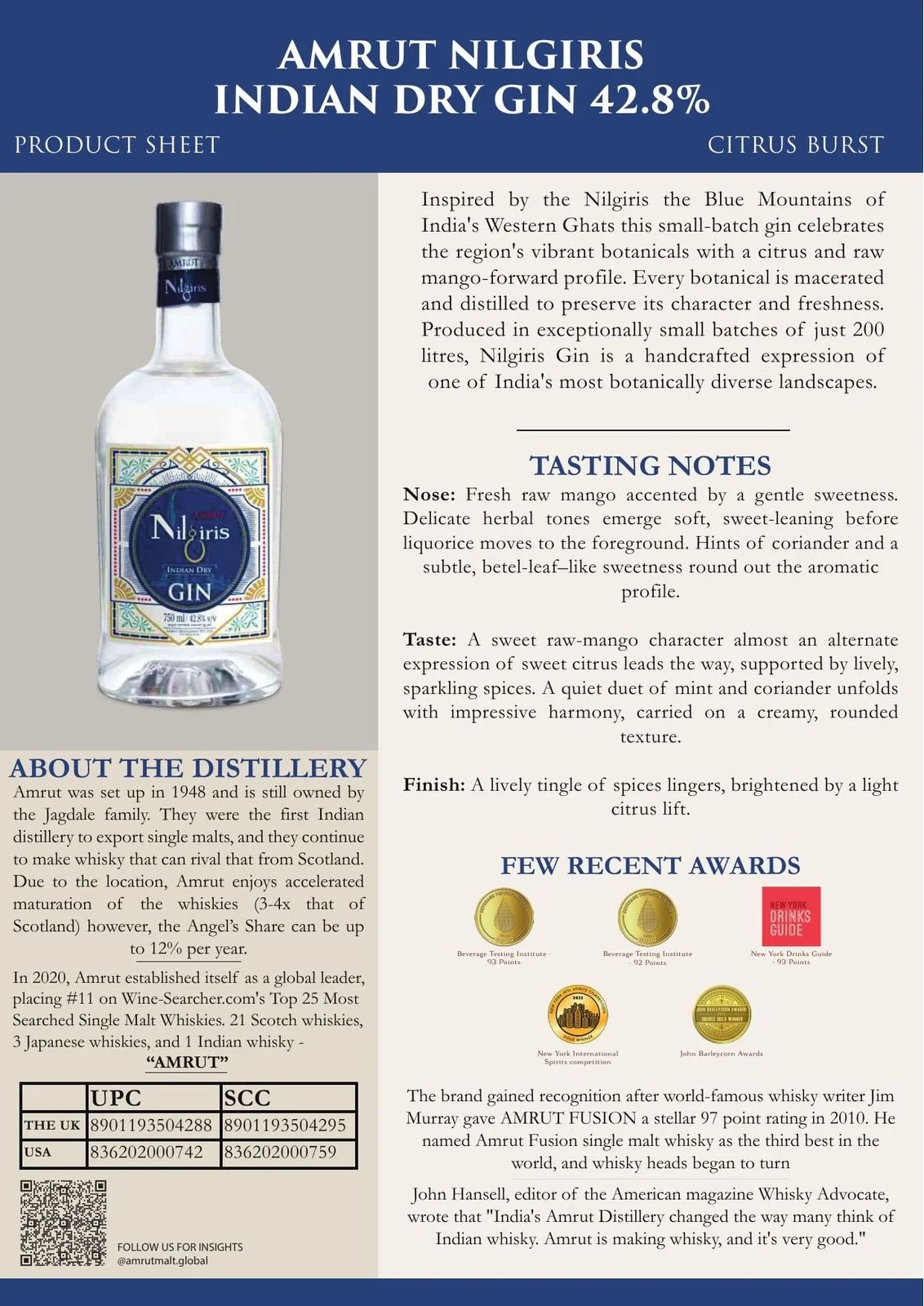
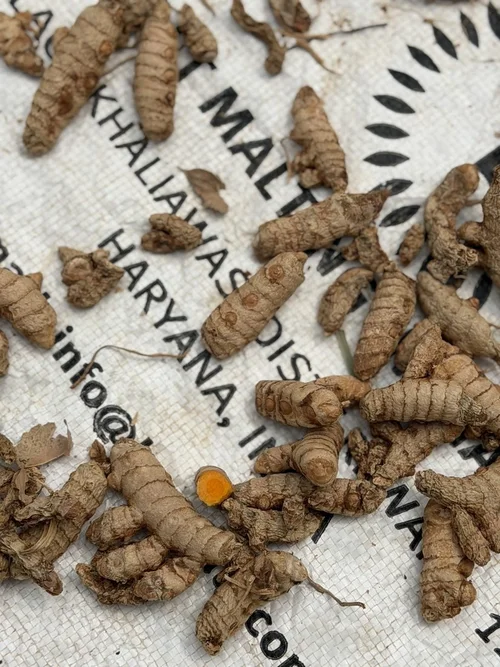
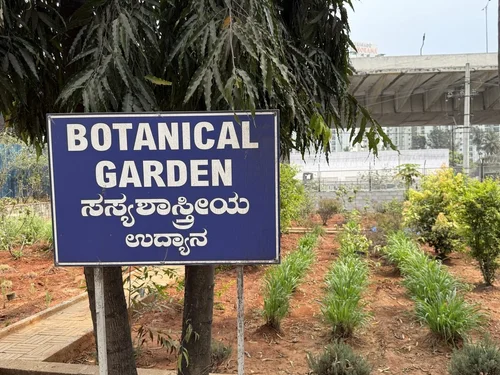
Amrut Nilgiris Indian Dry Gin. Named for the Nilgiri mountains in the south. Ten botanicals, some macerated in the spirit overnight and some held in muslin in the vapour during distillation. Amrut grows a number of them on site. Tech sheet
Packing
750ml in six bottle cases, except where noted.
Amrut Aadya Single Malt Whisky, PMR-AMADYA-75, listed in some systems as Amrut Indian Single Malt Whisky, PMR-AMISMW-75. Amrut Peated Indian Single Malt Whisky, PMR-AMPISM-75. Amrut Single Malt Cask Strength, PMR-AMSMCS-75. Amrut Peated Cask Strength, PMR-AMPTCS-75. Amrut Fusion Single Malt Whisky, PMR-AMFUSN-75. Amrut Kranthi Single Malt Whisky, PMR-AMKRTI-75. Amrut Rooh Indian Single Malt Whisky, PMR-AMROOH-75. Amrut Bungalow Indian Whisky, PMR-AMBLOW-75. Amrut Master Distiller’s Reserve, PMR-AMMDRS-75. Amrut Nilgiris Indian Dry Gin, PMR-AMNGGN-75. Amrut Old Port Rum, PMR-AMOPRM-75. Amrut Two Indies Rum, PMR-AM2NDR-75.
Amrut Expedition 15 Year, 700ml single bottle case, PMR-AMXP15-70, and the two bottle 50ml set, PMR-AMXP15-50.
Amrut Greedy Angels, 700ml in three bottle cases: 10 Year 46%, 107307. 10 Year 55%, 107308. 12 Year 2019, 107302. 12 Year 2021, 107303.
For wholesale orders, email info@pmspirits.com or call 347 689 4414. Out of state wholesalers can go straight to our US Market Manager, Meryl Cocuzza, at meryl@pmspirits.com. All the ways to reach us are on the contact page.
Amrut is part of the PM Spirits national import portfolio, chosen by Nicolas Palazzi.