

PM Spirits

Provider of Geeky Spirits

Alambique Serrano,Ch,Ch,Ch,Château Arton

Vinepair: The 30 Best Rums for 2025

Alambique Serrano, Best of, clairin, Clarin, Hampden, Isautier, Papalin, Rhum, Rum, VinepairNicolas Palazzi

Rum continues to win hearts and fill jiggers and glasses by virtue of being one of the world’s most versatile and diverse spirits. Distilled from sugar cane juice, molasses, and other derivatives, it is crafted in column and pot stills, and matured in climates ranging from the humid Caribbean to cooler, continental warehouses. The result is a category that stretches from grassy agricoles and funky, high-ester bottlings to ultra-aged expressions that rival any whiskey.

That breadth is just as evident at the bar: Rum is vital to classics like the DaiquiriMojito, and Mai Tai, and central to modern creations like the Kingston Negroni. Of course, there are dedicated, top-shelf sippers, as well as spiced shooters, which accounted for more than half of the rum sold in the U.S. last year.

With all due respect to the latter style, we did not consider flavored selections for our annual rum roundup. Instead, we focused on the diverse range of examples outlined above, tasting roughly 100 bottles from almost two dozen nations to compile this list of the 30 best rums to drink right now.

The 30 Best Rums to Drink in 2025

The Best Rum for Cocktails

Transcontinental Rum Line High Seas

As the old line goes, “what one rum can’t do, three rums can,” and that’s exactly the proposition with this blend of Panamanian, Jamaican, and Martinique distillates. Bottled at 45 percent ABV, High Seas delivers savory, vegetal, and lightly sweet notes, alongside bursts of tropical fruit, spice, and coffee. Expressive but never overwhelming, it offers plenty of personality without threatening to steal the show — making it equally at home in a Daiquiri, Mai Tai, or more modern creations. At $35 per bottle, it’s a top-tier option that’ll basically run you the same amount as two drinks at a bar.

Average price: $35
Rating: 93

The Best Rums Under $100

The Spirit of Haiti Clairin Vaval

Bottled at a precise 53.5 percent ABV, this Clairin is produced by Distillerie Arawaks — owned and operated by Fritz Vaval, whose family has been in the farm distillery business for close to 80 years. Fermented using ambient yeasts and distilled on a proprietary still, the nose juxtaposes papaya and mango with salty umami aromas. The palate commits to more fruity and vegetal notes, with an enjoyably abrasive finish that speaks to the hands-on, traditional practices that led to its creation.

Average price: $50
Rating: 94

Shakara 12 Year Thai Rum

Launched in early 2024, this Thai rum is made from local molasses and runs through a column still before spending 12 years in ex-bourbon casks. Spice leads the profile, with bright accents of lemongrass and lime leaf building over a classic molasses core. Expressive and vibrant, it’s a great example of quality Southeast Asian spirits increasingly making their way to our market.

Average price: $59
Rating: 93

Alambique Serrano 3 Años Oaxacan Rum
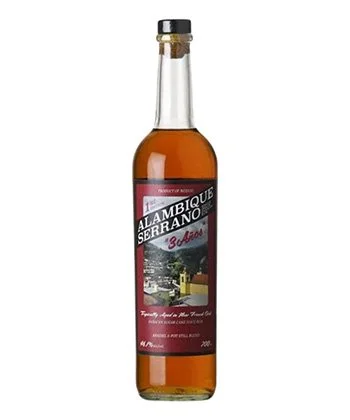
Distilled from Java varietal cane juice and aged just over three years in new French oak, this blend of pot and Krassel column distillates arrives at 46.1 percent ABV. The profile is distinctly spiced, with ginger, nutmeg, and raisin notes evoking winter desserts and holiday delights — a vivid reminder that Oaxacan spirits extend well beyond mezcal.

Average price: $64
Rating: 93

Papalin Jamaica 5 Year High Ester Rum
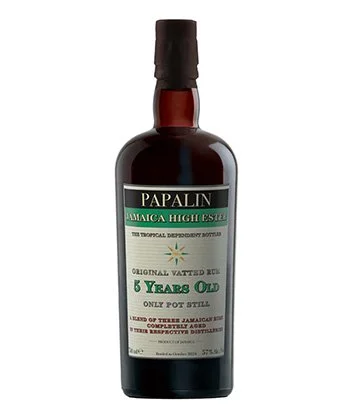
Blended from Worthy Park, Long Pond, and Hampden distillates, this 5-year-old Jamaican rum is pot-distilled, aged in ex-bourbon casks, and bottled at 57 percent ABV. Aromas of overripe fruit and warm spice lead the way, with pepper, banana skin, and assertive heat defining the palate. While not the most intense rum Jamaica has to offer, it’s a complex, lively pour and a great intro to high-ester rum.

Average price: $67
Rating: 93

Privateer Rum The Queen’s Share
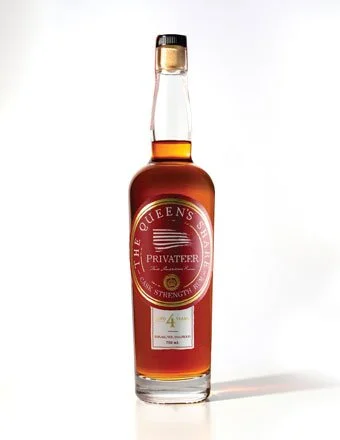
This Massachusetts rum revives the old Cognac tradition of collecting the “seconds” — the transitional cut between hearts and tails — and distilling everything a second time for added depth. Aged at least four years in a mix of new and used American oak, the barrels are then blended and re-casked for additional maturation. Bottled at cask strength, it delivers burnt sugar, coconut, and vanilla with remarkable balance. Approachable yet simultaneously complex, it stands as a benchmark American rum.

Average price: $70
Rating: 93

The Best Rums Over $100

Hampden Estate Pagos Jamaican Rum Batch 3
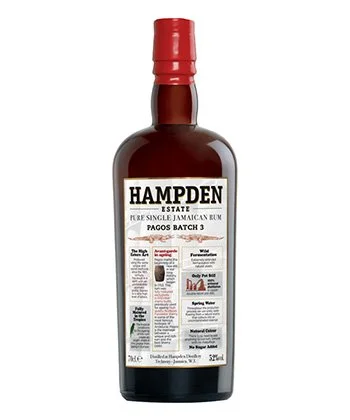
Aged entirely in former oloroso sherry casks from Bodegas Fundador, the third batch of Pagos builds on Hampden’s signature high-ester intensity with oxidative depth and dried fruit character. Bottled at 52 percent ABV, it delivers walnut, clove, and brandied cherry, alongside cocoa, honey, and citrus. The palate is nuanced, with savory depth meeting flashes of freshness.

Average price: $113
Rating: 94

Isautier Rhum Agricole 16 Year
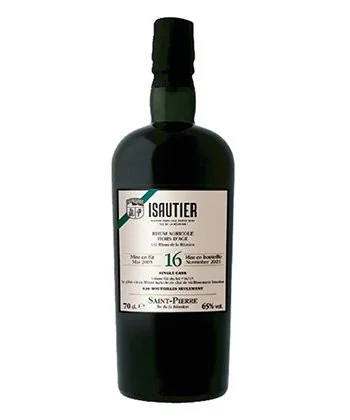
Distilled in 2006 and aged 16 years in tropical conditions, this Reunion release was bottled at 59 percent ABV with just 3,790 bottles produced. The profile is bold yet refined, opening with dried fruits, warm spice, and citrus zest, then following with caramelized sugar and herbal accents. A singular agricole, it underscores Reunion’s credentials as one of the world’s most compelling — and still underappreciated — rum regions.

Average price: $144
Rating: 94

https://vinepair.com/buy-this-booze/best-rums-2025/

Bloomberg: The 15 Best New Bottles I Tried in 2024, From $26 to $26,000

Best of, Bloomberg, Hampden, Alambique Serrano, RumNicolas Palazzi

Season’s greetings, spirits sippers! It’s Brad Japhe, the resident expert on the subject, reporting for duty. As is customary this time of year, I’m presenting my annual list of the absolute best bottles I encountered over the past 12 months. The stable of contenders was crowded in 2024: Of some 322 new expressions sampled, I counted no less than three dozen deserving of effusive praise. Sadly, some of those offerings are just so painfully pricey and/or excruciatingly allocated that I couldn’t, in good conscience, include them here.

Instead, my choices embody a wide variety of liquid across all categories and price points. Make no mistake, you will see bottles fetching four- or even five-figure sums—entries are organized in order of increasing cost—but it’s all relatively available for purchase. You won’t need an estate planner to broker acquisition.

But before we get to the big reveal, let’s recap the year’s major headlines. Beyond spotlighting the shape of the industry in 2024, these news items hint at where we’re headed in the months ahead.

For one thing, people aren’t paying as much for rare whiskey. A recent report from the financial advisory firm Noble & Co. indicated that the value of auctioned scotch cratered by 40% in 2024. But that hasn’t slowed the trend of formerly shuttered “ghost” distilleries rising from the grave across the Scottish landscape, as I reported this summer.

Tariffs proposed by the incoming administration mean your favorite tequila could effectively become 25% more expensive in the year ahead. And a separate trade war with the UK could persuade domestic scotch consumers to experiment with single malts from emerging markets such as India or New Zealand.

Or, perhaps they’ll start exploring American single malt, since the category is finally going to be recognized by the Alcohol and Tobacco Tax and Trade Bureau, after more than eight years of lobbying efforts.

But enough speculating about what’s coming. Here are my best bottles of 2024.

Alambique Serrano Rum Blend #5 — $70.Source: Vendor

Alambique Serrano Rum Blend #5

There’s more than just mezcal coming out of the highlands of Oaxaca. This artisanal brand from the steep hillsides of Santa María Tlalixtac specializes in world-class rum. In fact, you’ll be hard-pressed to find sugarcane distillate anywhere drenched in as much complexity as this 65.9%-ABV spiced-banana bomb. It’s a 50-50 blend of column spirit, aged for 27 months in ex-bourbon casks, with pot still spirit aged for 19 months in new French oak. Cut it with a splash of water to extend a tobacco and toasted almond-toned finish. Or knock it back neat, if you dare. ($70)

Hampden Great House 2024 Jamaican Rum — $130.Source: Vendor

Jamaica’s holy house of funk never disappoints when it comes to full-bodied expressions, brimming with over-ripened fruit. Although the exact recipe of this annual limited release shifts each year, it invariably involves a blend of rums that epitomize the brand’s signature style. This time around it finds form in a 57%-ABV sipper that wows with an initial wave of marmalade and cranberry relish, revealing more tropical fruit undertones as it warms in the dram. ($130)

https://archive.is/ZQan2#selection-1759.0-1815.77

Everyday Drinking: Is Armagnac The New Bourbon? Or Is It The New Mezcal?

Armagnac, Brandy, Château Arton, Nicolas Palazzi, L'Encantada, DOMAINE D’AURENSEN, Domaine d’EsperanceNicolas Palazzi

An exercise in reading beyond the headline. Plus, my picks and tasting notes on 16 bottles for your holiday splurge.

People often ask me, “What’s the difference between Cognac and Armagnac?” (Yes, I exist in incredibly nerdy spaces). To be honest, there as many similarities as differences. They’re both brandies made from grapes, often the same grapes. They’re both made in southwest France, less than three hours drive from one another. At the top end, they’re both expensive. But there are key differences, both technical and cultural. Below, I’ve posted my Armagnac 101.

More than anything, Cognac is bigger than Armagnac. Much bigger. Cognac represents a $4 billion market global market, with 225 million bottles sold each year. Meanwhile, Armagnac sells around 5 million bottles in a year. That means you don’t have huge multinational players like Hennessy or Rémy Martin in Armagnac. Instead, it’s mostly smaller family estates. Most don’t even own stills, but rely on itinerant distillers going from house to house after harvest and fermentation. There simply isn’t as much Armagnac in the world.

That scarcity and local grassroots production is why people often make this analogy: Armagnac is to Cognac what mezcal is to tequila. In the craft spirits world—where mezcal has cool, trendy, insider buzz—that’s not a bad place for Armagnac to be.

That seems to be what some in the industry are banking on. For instance, in late 2021, the venerable brand Marquis de Montesquiou, one of Armagnac’s largest producers, was bought from Pernot Ricard by Alexander Stein, the entrepreneur who created Monkey 47 Gin—which Stein had previously sold to Pernod Ricard. “He thinks Armagnac is the new mezcal,” said Jean-Francois Bonnete, the president of BCI, which imports Marquis de Montesquiou. It will be interesting to see how the brand, which has slipped in quality, will evolve under Stein.

Meanwhile, Stein isn’t the only industry bigwig who’s invested in the region. And a some of the other players don’t see Armagnac as the new mezcal. Rather, they’re banking on it being the new bourbon.

A few years ago, Raj Bhakta, one of the founders of Whistle Pig whiskey, bought the entire stock of a traditional Armagnac house, Ryst Dupeyron. In 2021, Bhakta told me that he’d “transferred the majority of it to Vermont,” where it would be finished in Islay whisky barrels. He released the blends a barrel at a time. “Technically it is Armagnac, but I’m not calling it Armagnac,” Bhakta told me at the time. Still, all of his promotional material clearly mentions Armagnac as the spirit’s place of origin.

Bkakta is clearly trying to appeal to a certain kind of American whiskey drinker, to blow them away with a 50-year age statement on the label. “The American whiskey drinking is dying for something new. He just doesn’t know it yet,” he told me in 2021. But Bkakta made clear he has little intention of educating his bourbon bros on Armagnac when he declared: “Armagnac just doesn’t have much brand value.” I mean, that’s some serious hubris there. But I guess it’s no less arrogrant than taking something a family aged for five decades in the French countryside and sticking in a Islay whiskey barrel for a few months to, ahem, “finish” it.

I’ve written before about this whiskey-fication of Armagnac. I’m very clearly on the record as saying this is not a good thing.

Nicolas Palazzi of PM Spirits, which imports a number of top Armagnacs, summed up the current market like this:

“There’s more Armagnac being sold, but it’s a very specific kind of Armagnac sold to a specific kind of buyer. We’re talking about Armagnac that’s very extracted, heavier on the wood, more powerful, more vanilla. So it’s not very different than the whiskey that people are drinking. We’re selling a lot less classical Armagnac.”

In other words: Armagnac that tastes like bourbon. Still the big question for Armagnac in the U.S. is whether or not whiskey drinkers—tired of ridiculous bourbon prices—will embrace brandies they likely can’t pronounce.

When I think and talk about Armagnac, I am a million miles away from the whiskey market. Gascony is a rustic, agricultural place of small towns that’s famous (or infamous) for the ducks and geese raised for foie gras (more than once been I’ve been served a “salad” in Gascony that was literally all meat). I posted recently about my pilgrimage to some revered small estates. Armagnac is a fragile place, and there is legitimate worry about whether it can handle becoming the new bourbon or the new mezcal.

We love the allure of drinking from decades-old barrels that a négociant—a treasure hunter—has discovered and procured from an elderly grower, or a widow. But those barrels often represent the end of a multi-generational wine-growing family. The numbers don’t lie: In 50 years, the total vineyard area of Armagnac has shrunk from 10,000 to 2,000 hectares. “This tradition is dying,” says Lili de Montal, at Château Arton, with around 40 hectares in Haut-Armagnac. “It’s not an overstatement to say it’s a disaster.”

A few weeks ago, I went to a tasting of Château de Laubade in New York, hosted by Denis Lesgourgues, whose family has run the estate for three generations. It was a small group, mostly people from the trade, and I thought Lesgourgues’ presentation was a good model for how Armagnac might move forward into an uncharted market.

Among the samples, we tasted an experimental bottling made from the rare plant de graisse grape, as well as Laubade’s new 21-year-old expression. That age statement is itself not common. “You don’t see a lot of age statements in Armagnac,” Lesgourgues said, adding: “We’ve been thinking about whiskey drinkers. The price of 21-year-old whiskey is very high. So we feel this is a chance for whiskey drinkers to try a 21-year-old Armagnac.”

I’ve known Lesgourgues for about a decade, and back in 2021, he and I had a disagreement over a Armagnac he released that was finished in Bardstown bourbon barrels. His new 21-year-old feels like a much better approach to meet the whiskey drinker with an Armagnac that’s still got the classic profile. (I recommend it below in my bottle picks).

After the tasting, everyone in attendance split into groups and we blended our own Armagnac from the 2008 vintage from aged samples of four specific grapes: ugni blanc, baco, colombard, and plant de graisse. Besides being fun (my team of course made the best blend; I got an embossed certificate!) the exercise focused attention on the raw ingredients, the grapes and the wine. It drove home to the people in attendance just how different Armagnac is from nearly any other spirit.