PM Spirits

Provider of Geeky Spirits

Nicolas Palazzi,Cinco Sentidos,Cinco Sentidos,Cinco Sentidos,Cinco Sentidos

Imbibe: Passion Project Nicolas Palazzi and the art of selling to 50 people

Imbibe, Nicolas PalazziNicolas Palazzi

We’ve never had a market,” says Nicolas Paul-Marie Palazzi, Miami-based owner of PM Spirits. “Fifteen years ago there wasn’t a market, and there’s no market now.”

This seems an odd thing for the founder of a successful spirits-importing company to say. But it’s true in one way: Palazzi doesn’t really identify markets; he identifies bottles. He finds spirits he loves, brings them into the country, and then goes looking for the handful of people who will appreciate them, too.
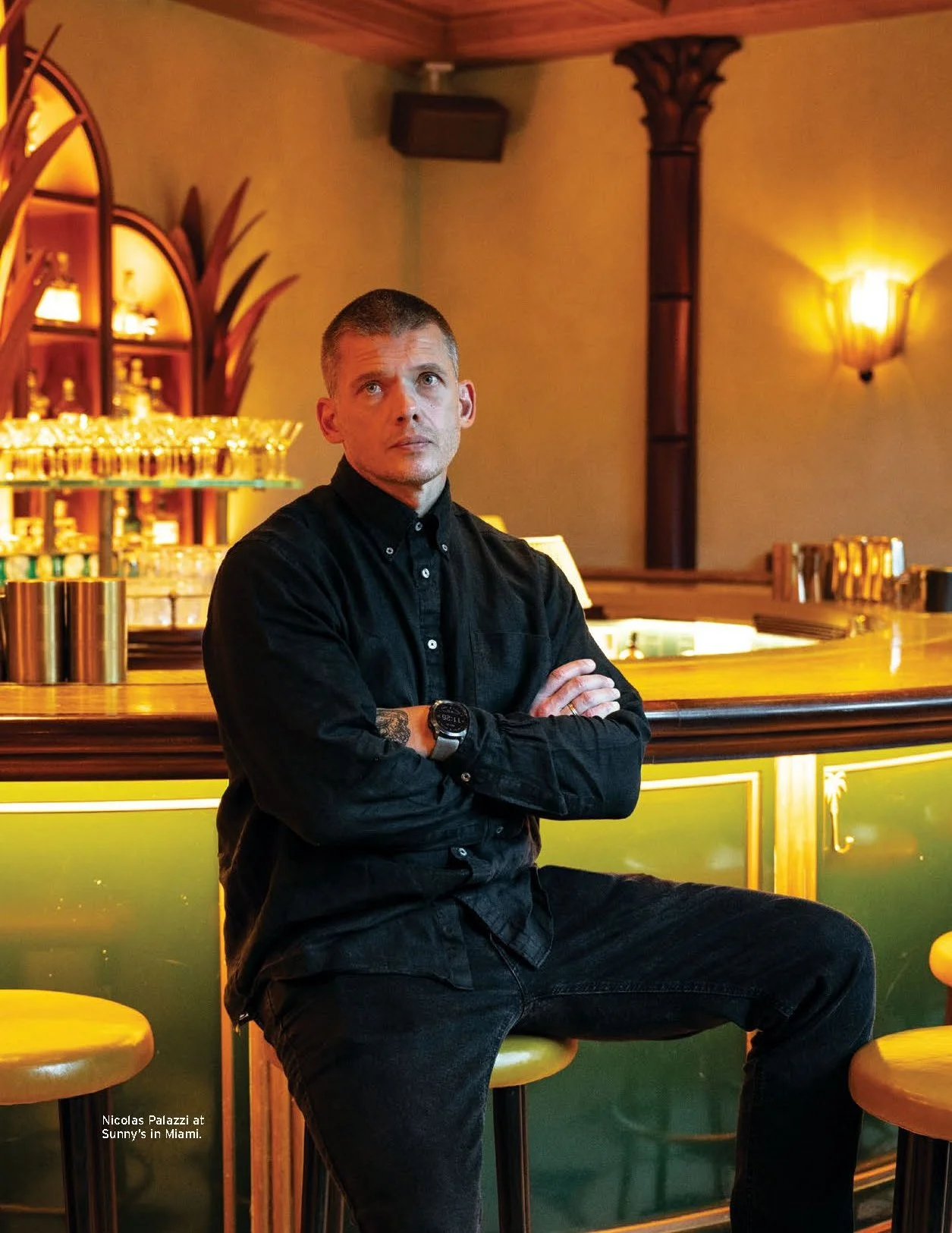
Photo by DAVID SALAZAR

Palazzi, who moved to New York from his native France in 2004, has emerged as one of the most admired spirits importers among aficionados and collectors, almost to the point of cultishness. His portfolio features outlier Cognacs, Armagnacs, single-malt whiskies, and big, funky rums. These include unicorns like Jacky Navarre Cognac, L’Encantada Armagnac, and Hampden Estate rums.

“The French are often the most traditional, and they like rules, whether it’s cheese or honey or spirits or whatever,” says Monique Huston, vice president of spirits portfolio at Winebow, an importer and distributor of wines and spirits. “Nicolas just kind of went anti-French.”

Palazzi was born and raised in Bordeaux, where familiarity with fine wines and brandy is all but mandatory. His mother’s family makes wine with their small business in Côtes de Bourg, and one of his grandfather’s closest friends was a well-regarded Cognac distiller. “At Sunday family lunches at my grandparents’ house,” Palazzi recalls, “we’d finish with Cognac made by this gentleman.” Palazzi wasn’t immediately drawn to the world of beverages. He left home to study engineering, and, after engineering school, worked several years as an environmental engineer for the French national electric utility company EDF. When a friend invited him to visit New York City, his life took a new trajectory. He left his unsatisfying job, moved across the Atlantic to join his friend (now his wife and mother to their two children), and found a new job managing a medical research lab. He had a respectable technical career but still didn’t feel content, and he eventually realized that he should build a life around something he actually cared about. “I would get up in the morning and just feel upset for no reason,” he says. “It wasn’t healthy.”

He considered his options. “My basic thoughts were, what are the things that I genuinely like to do?” he says. “And I liked wine and spirits.”

His interest led him first to hanging out, then working on weekends at Jean-Luc Le Du’s boutique wine shop in Manhattan’s West Village. He sharpened his knowledge of wine through seminars, blind-tasting groups, and connections with the sommeliers who patronized the shop.

New York impressed him with its wide diversity of available wines, especially compared to Bordeaux. He was particularly drawn to the bottles from smaller, family-run vineyards. But he found the spirits shelves lacked that depth and were dominated by larger, corporate brands. Palazzi’s instincts told him that New York would welcome curated, lesser-known spirits. So he quit his laboratory job and took his first, tentative steps into the beverage-importing business.

The standard advice for building a successful business is this: Identify demand in a market, then satisfy it. Palazzi didn’t follow that approach. His business model, if it can be called that, was to seek out spirits he liked—made as naturally and with as little intervention as possible—and then strike an import deal with the producer. Put the bottles on the store shelves, and assume fellow lovers of spirits would eventually find and buy them. While his plan was vague at best, he did have a short list of contacts, ranging from producers he knew in France to buyers he’d met at Le Du’s wine shop.

Palazzi flew home to France and visited his grandfather’s friend, the Cognac maker, who became a mentor. “His operation was super tiny, just one dude, but he was real artisanal and really good at what he did,” he said. “I approached him and said, ‘I like spirits. And I’m thinking that I would like to do something around it, and I don’t know anything about it, really.’”

With his mentor’s advice and introductions to a few other distillers, Palazzi launched PM Spirits, named to honor his father, Paul-Marie Palazzi. His first import was Guillon-Painturaud Hors d’Age, a Grande Champagne Cognac, provided by his family’s friend. Back in New York, he took to the streets with bottles in a bag, talking with restaurateurs and liquor shop owners one at a time, hoping to convince them to stock his product. One agreed, then another, and in time he sought out other spirits worthy of attention, including his second import, a Cognac from the house of Paul Beau.

He learned the mechanics of importing the hard way: by screwing up. He underpriced bottles and sold them at a loss. He bought inventory without understanding cash flow. He learned about duties, invoices, and the peculiar financial limbo in which an importer pays suppliers and the government long before customers pay him. “I’ve done a lot of things that did not work out,” he says. “But none of them were fatal.”

A central problem was finding someone to distribute these obscure bottles—a common lament among smaller importers. So Palazzi did what became a recurring feature of his career: When the conventional system didn’t work for him, he worked around it. He began distributing his own spirits in New York, selling bottles himself. To this day, PM Spirits consists of two businesses: a New York wholesale operation, in which his company self-distributes the products in the state, and an importing business that supplies distributors throughout much of the rest of the nation. (Palazzi and his family moved from Brooklyn to Miami in 2019.)

Bit by bit, drinkers started to pay attention. Palazzi returned to France and discovered Armagnacs and Calvados that he thought worthy of attention, and began importing those as well.

He visits each distillery to assure himself that it’s managed by artisans, not accountants. “We meet the people—we need to be like-minded individuals,” Palazzi says. It’s telling that his online directory of imported products often features pictures of the producers, not shots of stills or barrel houses. “It’s meaningful,” says Kate Perry, U.S. market manager for La Maison & Velier, who met Palazzi in 2014 and has partnered with him in importing and marketing his spirits in the U.S. “They’re real—real farmers, real people, real communities. A very personal thing, which is not often the case with spirits brands.”

His explorations have taken him far beyond French brandies, and his portfolio has expanded to include whiskies, rums, agave spirits, eau de vie, and liqueur—all ticking the boxes Palazzi has set out, foremost among them being that he likes drinking them. Palazzi has also partnered with likeminded others in collaborative ventures. “We see if we can work together and do something that’s cool and tastes very good, and that I can afford,” Palazzi says.

Perhaps the best known of his “collabs” is the partnership with Equipo Navazos, a boutique sherry producer in Spain. Palazzi came across this sherry at a wine dinner organized by Levi Dalton in New York, and later toured Spanish bodegas with co-founders Eduardo Ojeda and Jesus Barquin. Ojeda and Barquin took an approach to sherry similar to that embraced by Palazzi: find and market excellent, distinctive sherries crafted by independent producers.

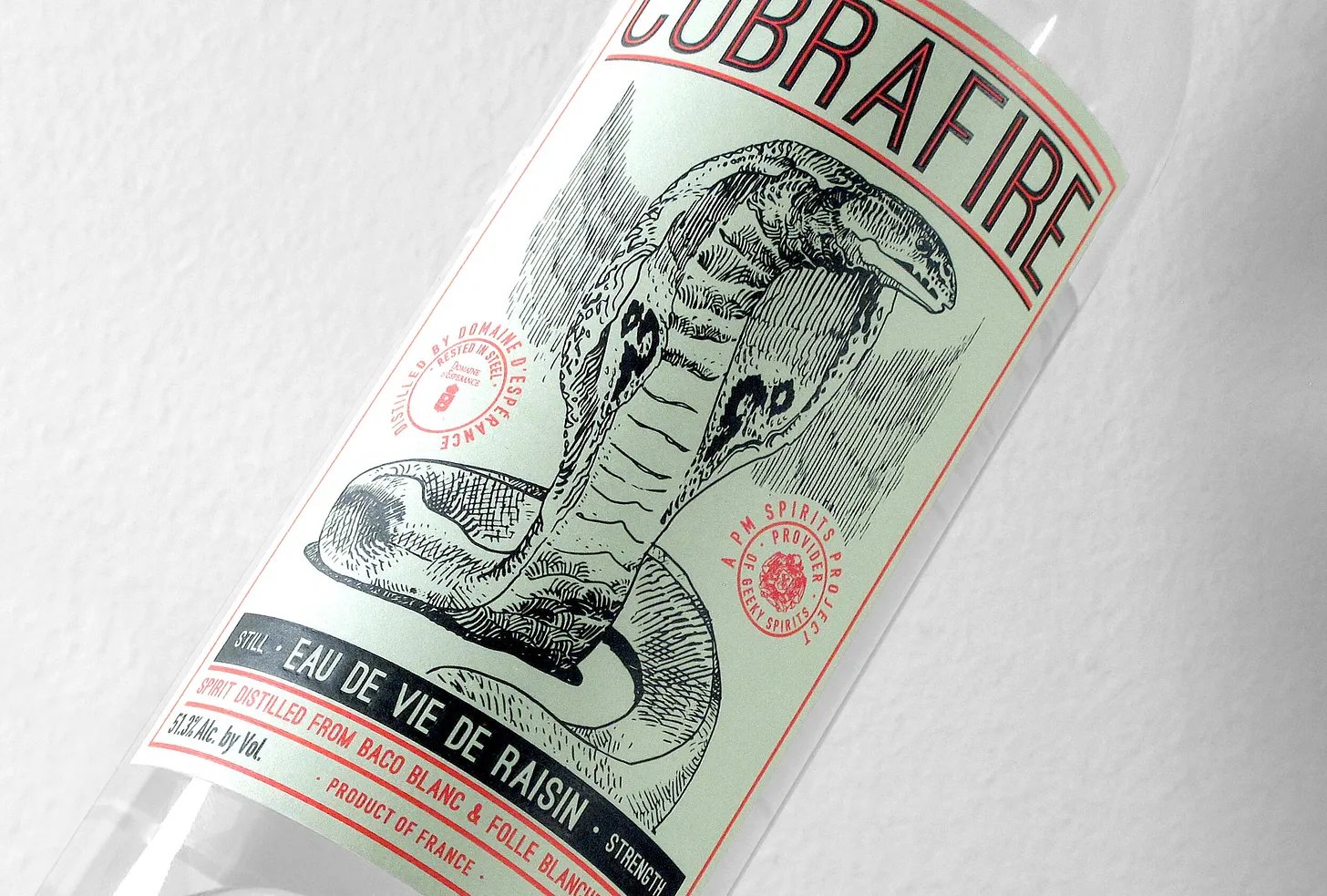
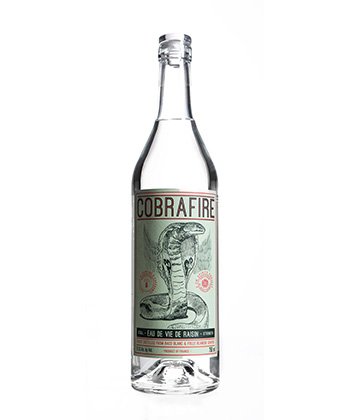
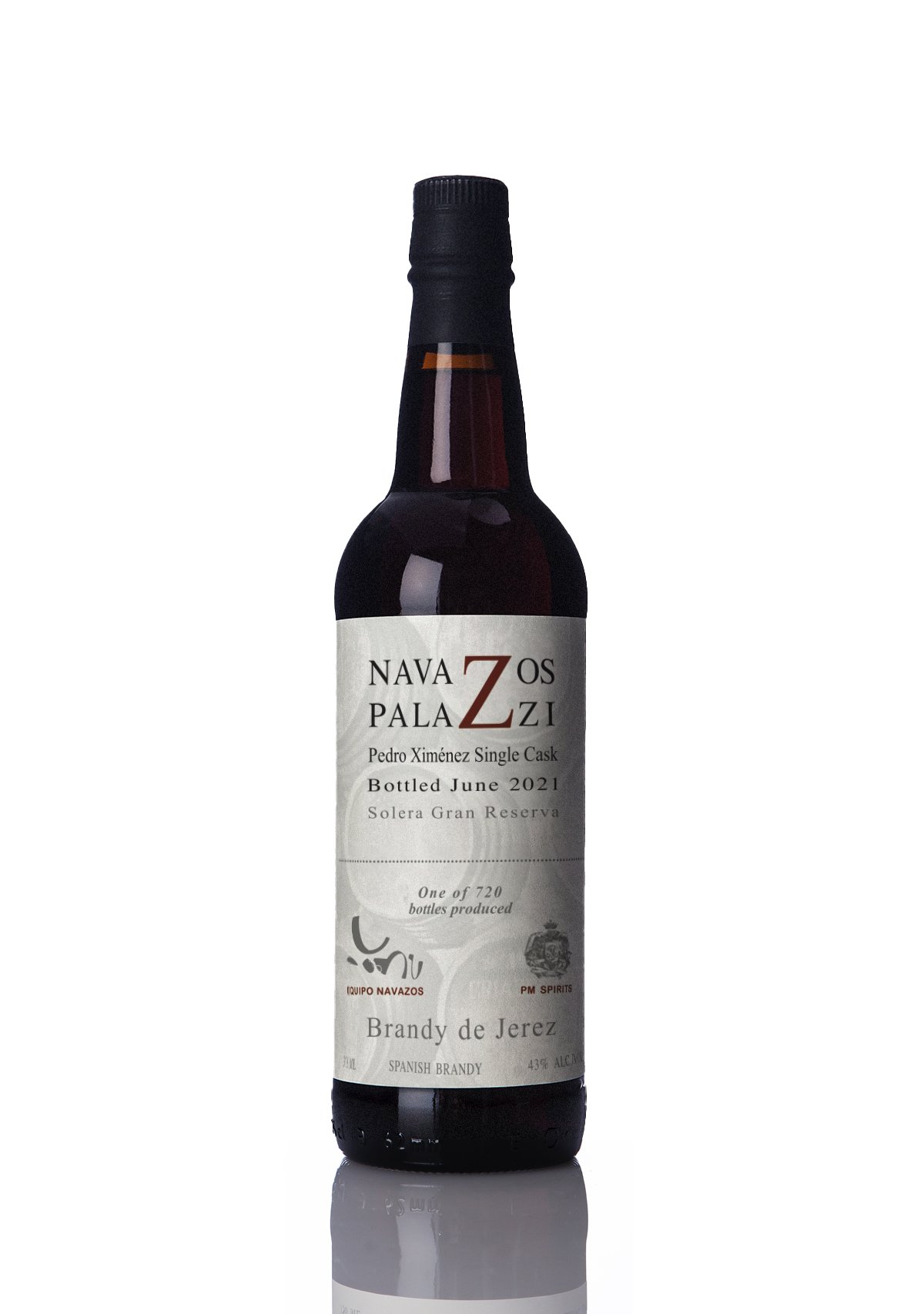
The trio soon partnered on a line of spirits, starting with Spanish brandy that had been aged in sherry casks in hot, dry Spain—a process that transformed a middling brandy into something worthy of a snifter. They later applied the same method to other spirits, including gin, Spanish whiskey, and rum, all sold under the Navazos-Palazzi label. Their rum in particular attracted fans. A Caribbean rum aged five years in ex-bourbon casks and then further in oloroso sherry barrels for more than a decade, it was praised by critics for its notes of quince, walnut, and caramelized roasted meat. In one review, the taster concluded that the rum evokes a full, festive meal in a glass. Palazzi has also released his own branded line of PM Spirits, which includes Cobrafire, launched in 2016. It’s an unaged Armagnac, produced with Domaine d’Espérance, sold as an eau de vie de raisin.

A “drink less, drink better” ethos has spread in recent years, as spirits fans consume less but are willing to spend more on higher-caliber bottles. In some ways, the buying public has caught up with Palazzi, who has become an inadvertent avatar of this movement. There is something almost stubbornly old-fashioned about his approach. It’s not exactly a recipe for building a mass market. But that’s never really been the point. “I don’t have any marketing money,” Palazzi says with a shrug. Finding great spirits is easy, he says. Getting people to try them (and, importantly, buy them) is much harder. “So the only thing that I can do is put a product on the market that looks cool and tastes very good, then try and convince people it’s worth their attention and their money.”

“I think it’s gotten to the point that putting the PM Spirits stamp on something says Nick has tasted this,” says Huston, “and that means it’s really good quality. Maybe his audience is 50 people.” And she appreciates that Palazzi’s approach is essentially: “How about I bring this beautiful thing in for those 50 people?”

Inked Magazine, Issue 3, 2025: Tattoos & Spirits, A Match Made in Culture Heaven

Best of, Brandy, Armagnac, L'Encantada, Nicolas Palazzi, tattooNicolas Palazzi

BY JOEY SKLADANY

It may be stereotypical to assume that a bartender in a dive bar will serve you a drink with an ink-adorned forearm, but the parallels between tattoos and alcohol have been drawn far generations, from drunken pirates to beer-slinging bikers. After all, the rebellious nature of knocking back libations and rocking permanent body art often go hand in hand. And for some spirit companies, tattoos are now a major component of the brand ethos.

In an oversaturated beverage industry where everything has been seemingly done before, there are a handful of businesses that have gone above and beyond, both past and present, to challenge marketing norms and redefine the connection they have with consumers, especially those who value the creativity and authenticity that transcend the liquor itself.

These are the three that continue to lead the pack, one sip and tattoo at a time.

Labels that Inspire

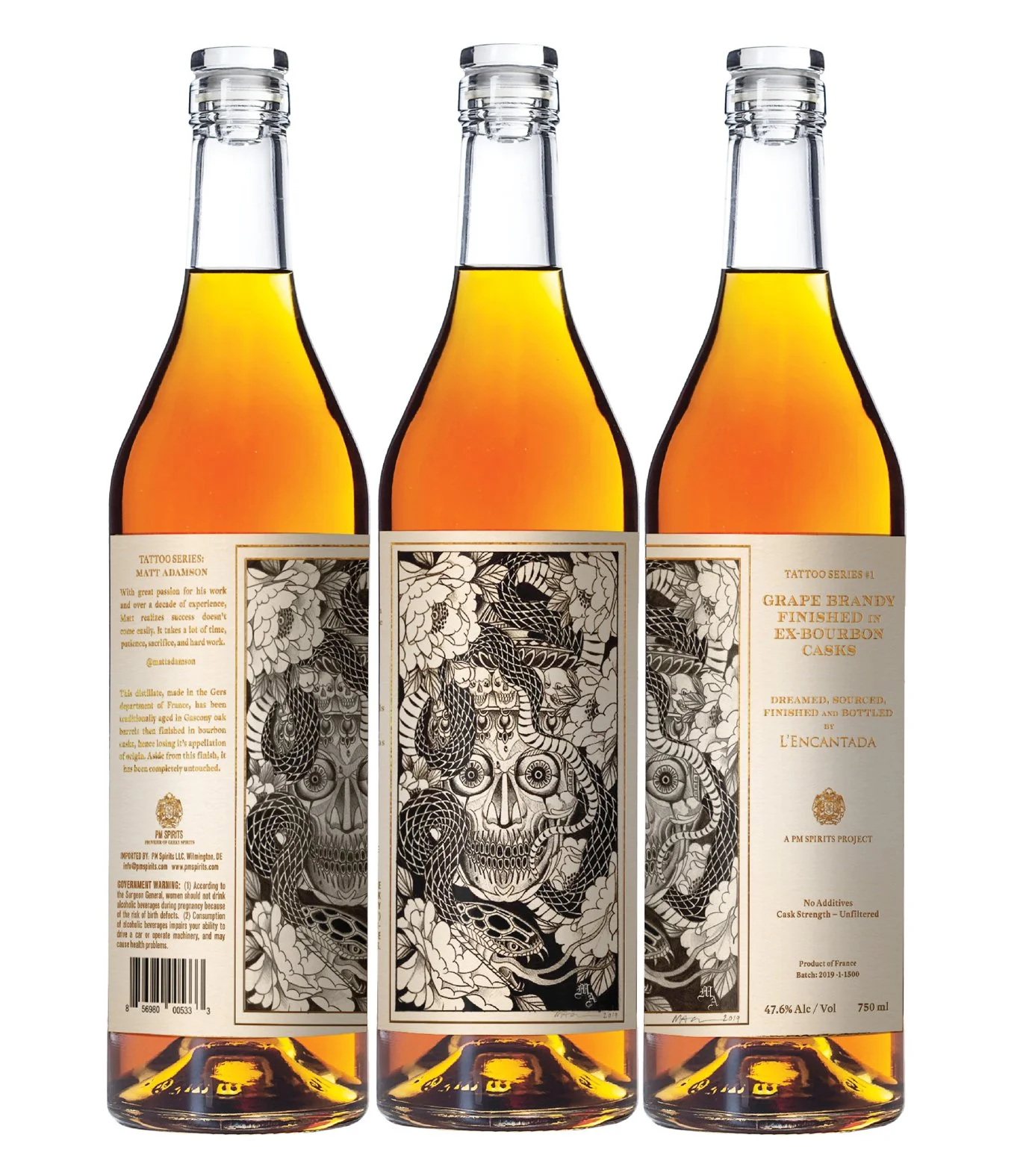
France-based L'Encantada Armagnac brandy took tattoo appreciation in a unique direction by commissioning artists to replicate their intricate sketches in label form.

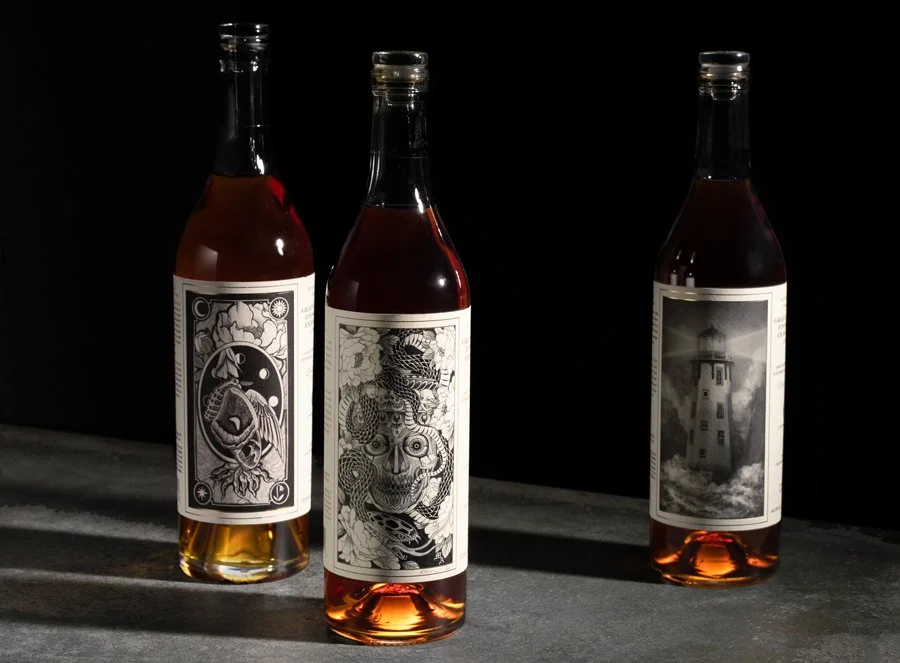
Nicolas Palazzi, owner of PM Spirits and L'Encantada's U.S. importer, championed the idea and partnership after getting his first tattoo, which memorialized his daughter Jane's health struggles with epilepsy. This evolved into other symbolic designs and subsequent ink sessions, which then inspired the entrepreneur to extend this art form to the bottle through an annual tattoo series that features up-and-coming talent.

"Tattoos are very important to me. They are also, in my mind, a very 'American' thing. Here, it felt like we were bridging both cultures: making old-school French spirits cooler by bringing it some American flavor," Palazzi says, adding, "From a packaging standpoint, I associated the American flavor with tattoos."

This artistic endeavor has resulted in collaborations with the renowned Matt Adamson, who completed Palazzi's first tattoo, as well as Laura Leonello, who concocted a "Beacon of Hope" label in 2021 to capture life after the peak of COVlD-19.

https://issuu.com/inkedmag/docs/inked_magazine_issue_3_2025/24

vinepair: The 20 Best Mezcals for 2025

agave, Best of, Vinepair, NETA, cinco sentidos, Cinco Sentidos, MezcalNicolas Palazzi

In many ways, moving from tequila into the expansive world of mezcal is like developing a taste for Scotch following a fascination with bourbon. Each duo shares the same parent category (agave spirits and whiskey, respectively), employs similar production techniques, and will often be found close to each other, if not side by side, in liquor stores.

Of course, there are limits to this analogy, and the aim is not to frame mezcal or Scotch as superior to their siblings. But there’s also no denying that the regional diversity within these two categories and, yes, the occasional presence of smoke, place them among the world’s most complex spirits — distillates that aficionados would often much rather enjoy neat rather than in cocktails.

Whether the destination for mezcal is a copita or coupe by way of cocktail shaker is ultimately the buyer’s decision. Either way, quality and value for money are of paramount importance, and those can be tricky things to decipher from bottle labels or even brand websites alone. So we’ve done the hard work for you, tasting through dozens of expressions, and digging into individual production details to offer this list of the 20 best mezcals to drink in 2025.

The Best Mezcals Over $100

Palenqueros Madrecuishe Valente Garcia

Another hands-on, small-batch expression, the roasted Madrecuishe agave for this 933-bottle release was crushed by mallet before being double-distilled in copper pots. Bottled at 48.9 percent ABV, it offers a bright, minerally wet rock nose, with hints of citrus and savory smoke. The palate that follows is layered with sweetness and roasted nut notes.

Average price: $104
Rating: 94

Cinco Sentidos Arroqueño Tío Pedro

A stunning and considerable labor of love, Tío Pedro Hernandez produced this batch in Santa Catarina Minas using traditional clay pots. Before he could do so, he first had to source the Arroqueño agave from over 50 miles away, in the verdant hills of Sola de Vega. After roasting for more than five days, he (along with some help from friends) mashed the agave by hand using mazos. All that effort truly paid off: The nose darts between ripe tropical fruit, yogurt, and root vegetables. The palate is at once sweet and minerally, the wet rock notes eventually leading to pleasant, dialed-down smoke, and a finish that drinks well below its almost 50 percent ABV.

Average price: $136
Rating: 95

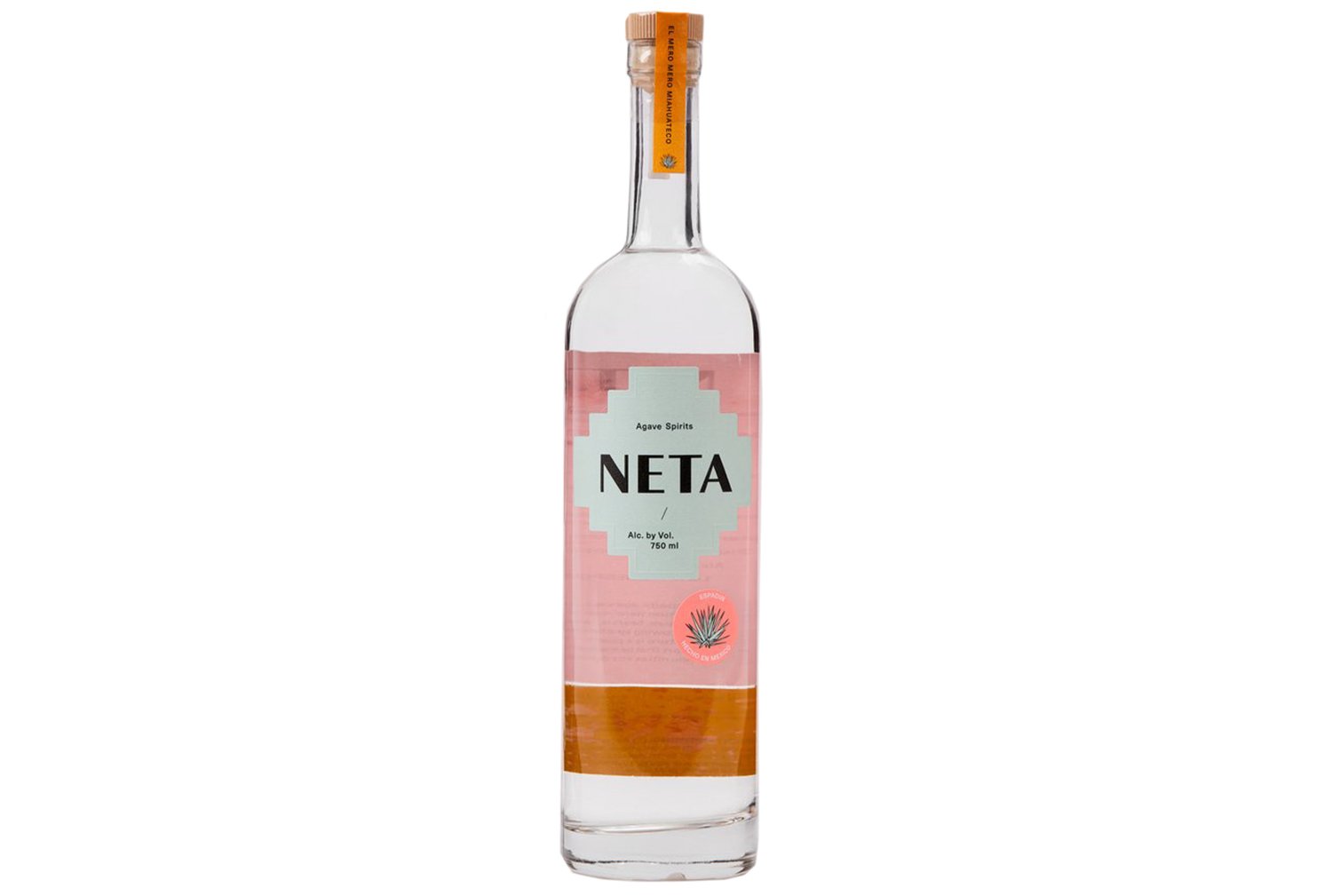
NETA Espadin-Bicuixe Heriberto García Sánchez

Combining a 60/40 blend of wild Bicuixe and homegrown Espadín, this double-distilled ensamble flips a common mezcal experience on its head, beginning with savory, almost meaty aromas, and following with expressive green fruit and chalky minerality on the palate. With more time in glass, the aromas and flavors meld into one, just as other complex notes emerge, ensuring the drinking experience is ever evolving and endlessly enjoyable.

Average price: $149
Rating: 94

https://vinepair.com/buy-this-booze/best-mezcals-2025/

vinepair: Tequila Isn’t the Only Spirit to Use Additives. Why Aren’t We Talking About the Others?

cognac, Rum, Whiskey, Vinepair, Nicolas Palazzi, TequilaNicolas Palazzi

WORDS:SUSANNAH SKIVER BARTON

Spirits additives have been in the news a lot lately, almost solely in relation to tequila. A clash between the independently run Additive Free Alliance and the Consejo Regulador del Tequila (CRT), tequila’s regulatory body, has chilled the growing movement for transparency in the category, and currently, per the CRT, no brands may legally discuss use or non-use of additives — which are legal — on their packaging or in their marketing. The stalemate seems likely to continue without a satisfying resolution unless and until the regulator and the industry can reach a compromise.

Meanwhile, many other spirits use additives, too, almost always without explicit disclosure: Cognac, rum, Scotch, and many more. Sometimes they employ caramel coloring to make a brand appear consistent from batch to batch, or to give the impression of greater cask influence. They may add sugar to sweeten a spirit or impart a rounder, more pleasing mouthfeel. Other additives can mimic the impact of prolonged oak aging, or layer on flavors to simulate more complexity.

The conflict in tequila has cast the issue of additives in black-and-white terms. For many spirits enthusiasts, additives are seen as deceptive, a way to cheat the natural processes at play in fermentation, distillation, and maturation. But that binary framework isn’t the only way of understanding the issue.

“Additives are not necessarily bad,” says Nicolas Palazzi, founder of PM Spirits, which imports tequila, rum, Cognac, and other spirits. “Yes, most of the time the product is subpar and therefore to make it more palatable … you need to put makeup on it.” But, he explains, there are other examples when using additives “makes a better product.” The key difference, Palazzi says, is “the way they’re used and why they’re used.”

Examining the legacy and tradition of additives across the spirits world can shed some light on the debate, even as it remains largely unsettled. The core issues at play — transparency and consumer choice — aren’t going away. And potential solutions could take a number of forms.

Whiskey’s History of Additives

Additive use in spirits was historically quite common. In the 19th-century United States, rectifiers added everything from prune juice to turpentine to their “whiskey” — often badly made or unaged spirit — to make it appear older or taste better. The practice directly led to the passage of the Bottled-in-Bond Act of 1897, which set the first standards for truth in labeling and made it clear to consumers that the whiskey in the bottle was unadulterated. Today, bourbon and other straight whiskeys are not allowed to contain any additives. Non-straight whiskeys and blends, including blends of straight whiskeys, may include up to 2.5 percent allowed coloring and flavoring materials without disclosure.

These are settled questions of law, and for the most part, whiskey drinkers aren’t clamoring for more information from brands — although there was a period, circa 2014–2015, when added flavoring in Templeton Rye became a flashpoint for what was then a new conversation about transparency in whiskey. A commentator named Steve Ury wrote a blog post at the time digging into whether ryes that did not include a “straight” designation might include added flavor. The exercise is still valid a decade, and many dozens of other brands, later, but doesn’t seem to stir up much conversation currently.

The additive that many drinkers do want to know about is caramel coloring, which is widely permitted outside straight American whiskey, including in heavily regulated categories like Scotch. It’s almost a guarantee that every blended Scotch, Irish, and Canadian whisky includes caramel for consistent color, as do many single malts and premium offerings, but there’s no requirement for disclosure. Still, some brands now tout “no added color” as part of their labeling and marketing — often alongside “non-chill filtered,” a Bat Signal for whiskey connoisseurs who believe the common practice has a negative impact on a whiskey’s flavor.

The Wide World of Rum Additives

Rum can contain caramel coloring, too, and often many other additives, though it is not a total free-for-all everywhere. Several rums are made under the rules of an established geographical indication (GI), including Jamaican, Cuban, and Demerara rums, as well as rhum agricole. GI-regulated rums typically eschew most additives, with the exceptions of caramel coloring — which is broadly permitted — and sugar, which several GIs allow. A major exception is the GI for Venezuelan rum, which allows “caramel, fresh or dry fruit macerations, bark, maceration of oak chips, and other approved substances.”

“If a brand puts that level of transparency and disclosure out there and the enthusiasts like it, they’re going to tell their friends. [They may be] half a percentage of your business, but they’re the ones talking to bartenders and bar managers.”

Beyond GI regulations, rum producers only have to work within the constraints of their permitting authority and those of the places they export to, which broadly means additives of all kinds may be used. Sugar is perhaps most common, not only because there’s historical precedent for it in many rum traditions, but because it’s widely favored by consumer palates.

“They’ve been [adding sugar] for hundreds of years,” says Matt Pietrek, rum expert and author of several books, including “Modern Caribbean Rum.” “Not in any attempt to deceive people; it’s more like, this tastes good and people like it.”

Palazzi agrees. “Most of the rums that people like are sweet, because they’re sweetened,” he says. “A lot of people feel that if the rum is dry there’s something wrong with it.”

Though Pietrek notes that he prefers dry, additive-free rums, he’s in favor of letting each producer make the rum they want. And he’d love to see producers across the rum world adopt some kind of transparency measure, like nutritional labeling, to give consumers more information about what’s in the spirit.

“Consumers can vote with their dollars,” he says, pointing out how Planteray includes a host of detailed information on the label, including how much dosage (added sugar) it includes. “Great! Literally any producer can do this.”

A Legacy in Cognac

For Cognac, in addition to caramel coloring, there’s a long tradition of adding both sugar and a substance called boisé, sometimes described as oak extract. All three additives may be aged before being blended with the spirit, though they aren’t necessarily. The use of boisé dates back to at least the 19th century and is rooted in what Amy Pasquet, one half of the husband-and-wife team at Cognac Pasquet, describes as a “waste-not, want-not” mentality. After distilling the spirit, wood chips left over from coopering were put into the still with water, their tannins serving to strip the interior of gunk. That liquid, rich with woody flavors, was then used to proof down the aged Cognac.

“Instead of saying we don’t add anything, we say everything is natural. Whiskey people really want that on the label.”

Nowadays, most boisé is produced commercially rather than in-house, and it’s likely widely employed in the leading houses. Many experts say boisé is not just an imitation of maturation. Ury, who shifted his attention from whiskey to brandy many years ago and now runs the Facebook group Serious Brandy, notes that it “may well be responsible for a lot of the rancio notes that people favor in Cognac.”

Although there are several independent, small Cognac houses — like Pasquet — that don’t use boisé or other additives, the substance’s longstanding legacy is respected by many connoisseurs like Ury. “It’s not as if [brands using boisé] are scam artists or something — it’s just a different way of doing things,” he says.

The rise in openly additive-free Cognac is relatively recent, spurred by whiskey enthusiasts migrating their attention to French brandy. Though it once made its own boisé, Pasquet stopped using additives in 2011; labels now state that the Cognac is hand-bottled, non-chill filtered, non-dosed, and natural color. “Instead of saying we don’t add anything, we say everything is natural,” Pasquet explains, noting that the brand’s German importer encouraged the labeling disclosure. “Whiskey people really want that on the label.”

Pasquet and its ilk represent a tiny fraction of overall Cognac volumes, but consumers’ desire for more information has penetrated even the big houses. A cohort of industry players that includes the likes of Hennessy, Rémy Martin, and Martell have agreed to voluntarily disclose ingredients, excluding boisé, on their labels or via QR code going forward. (VinePair reached out to the Bureau National Interprofessionnel du Cognac, the industry’s trade group, for clarification on why boisé is not included but has not received a response.)

How Many People Really Care, Though?

In spite of the furor of the additive debate among spirits enthusiasts, the issue isn’t even on the radar for the vast majority of consumers. “The people who really care are going to look for transparency and how the product is made and whether there are additives,” says Palazzi. “But there’s a lot of people who couldn’t care less.”

The average Hennessy VS drinker isn’t checking the label to see if there’s added sugar. Captain Morgan fans, if they stop to think about it, would likely accept without hesitation that the rum is full of flavoring. Only the hobbyists, those who self-identify as geeks, are concerned about whether their whiskey or brandy or rum has caramel coloring.

But although this group is a small minority, it’s often quite vocal — and usually willing to spend more on a bottle than the casual drinker. To a brand looking to cultivate that kind of engaged customer, playing up additive-free status can be a savvy marketing move.

“If a brand puts that level of transparency and disclosure out there and the enthusiasts like it, they’re going to tell their friends,” Pietrek says. “[They may be] half a percentage of your business, but they’re the ones talking to bartenders and bar managers. If you give them what they want, they will be your de facto brand ambassadors.”

And eventually, the movement that starts among the geeks can ripple outward. “Twenty-five years ago, no one cared about caramel in Scotch — that wasn’t a thing,” Ury says. Then enthusiasts started questioning the practice. “It was consumer-driven and you started seeing bottles saying ‘no coloring added,’” he says.

So even though the issue is moot for the majority of consumers, spirits brands still have to address it if they care about their most engaged fans. The conversation ultimately boils down to the broader issue of transparency, which has driven much of the consumer conversation in food and drink in the past few decades. People want to know what they’re putting in their bodies, and when brands don’t disclose that, mistrust can grow.

Piecemeal efforts from individual brands can be a workable approach, if they’re allowed to share information openly — something every category can currently do except for tequila. Potentially more effective are industry-wide moves like the one taking shape in Cognac. But the biggest game-changer would be mandated reporting from regulatory authorities like the Alcohol and Tobacco Tax and Trade Bureau (TTB).

The agency is currently considering a proposal to add certain nutrition facts to alcoholic beverages, similar to those found on food, including major allergens and calories per serving. But it stops short of requiring an actual ingredients list, and any public rollout is likely years away, if it ever occurs at all. For now, consumers looking for full transparency about a given spirit are largely at the mercy of individual brands. Those that talk openly about ingredients like additives serve as an example to others.

“I would love to see more transparency in Cognac,” Pasquet says. “We work for that day and night.”

https://vinepair.com/articles/examining-additives-in-spirits/

BBC: 'Is it for a day or four years?' Tariff uncertainty spooks small businesses

destilados, Mezcal Mal Bien, Nicolas Palazzi, TequilaNicolas Palazzi

Donald Trump's talk of applying new tariffs to goods from America's biggest trade partners has sparked months of uncertainty for business owners.

On Saturday, the president made good on his threats, ordering a new 25% tax on shipments from Mexico and Canada and raising existing tariffs on goods from China by 10%.

But that has not stopped the questions.

"Is it for a day, is it a political flex or is it something that will last for four years?" asked Nicolas Palazzi, the founder of Brooklyn-based PM Spirits. He runs a 21-person business that imports and sells wine and spirits, about 20% of which come from Mexico.

Trump's orders set in motion threats that the president has discussed for months, striking at shipments from America's top three trade partners, which together account for more than 40% of the roughly $3tn goods the US imports each year.

Canadian oil and other "energy resources" will face a lower 10% rate. But otherwise, there will be no exceptions, the White House said.

Trump said the tariffs were intended to hold Canada and Mexico accountable for promises to address illegal immigration and drug trafficking.

The measures go into effect on 4 February and are to remain in place "until the crisis is alleviated," according to the orders.

If the plans were not a surprise, they still presented a potentially stunning blow to many businesses, especially for those in North America. The three countries have become tightly linked economically after decades of free trade under a treaty signed in the 1990s, known then as Nafta and updated and renamed under the Trump administration to USMCA.

The growth of mezcal in the US, brought in by businesses like Palazzi's, has been part of this shift.

Since 2003, consumption of tequila and mezcal has roughly tripled, increasing at a rate of more than 7% each year, according to Distilled Spirits Council, a trade group.

Overall since the 1990s, trade in spirits between the US and Mexico has surged by more than 4,000% percent, said the organisation, which issued a statement after the president's announcement warning that the tariffs would "significantly harm all three countries".

For months, Palazzi has been fielding nervous questions from his suppliers in Mexico, who are typically small, family owned businesses and may not survive if the tariffs are prolonged.

If it sticks, he said the 25% tax on the bottles of mezcal, tequila and rum he brings in will push up prices - and sales will drop.

"Definitely this is going to impact the business negatively. But can you really plan? No," he said. "Our strategy is roll-with-the-punches, wait and see and adapt to whatever craziness is going to unfold."

Economists say the hit from the tariffs could push the economies of Mexico and Canada into recession.

Ahead of the announcement, Dan Kelly, president of the Canadian Federation of Independent Businesses, described the looming tariffs from the US, and expected retaliation, as "existential" for many of his members.

"Look, we get that the government has got to respond in some fashion …. But at the same time we urge the government to use caution," he said, comparing tariffs on imports to chemotherapy: "It poisons your own people in order to try and fight the disease."

"It's going to have an effect everywhere," said Sophie Avernin, director of De Grandes Viñedos de Francia in Mexico, noting that many Americans own Mexican alcohol brands and Modelo beer is actually owned by a Belgian company.

Trump, who has embraced tariffs as a tool to address issues far removed from trade, has dismissed concerns about any collateral damage to the economy in the US.

But analysts have warned the measures will weigh on growth, raise prices and cost the economy jobs - roughly 286,000, according to estimates by the Tax Foundation, not including retaliation.

Those in the alcohol business said the industry had already been struggling to emerge from the shadow of the pandemic and its after-shocks, including inflation, which has prompted many Americans to cut back on dining out and drinking.

Smaller firms, who typically have less financial cushion and ability to swallow a sudden 25% jump in cost, will bear the brunt of the disruption.

"I'm pretty frustrated," said California-based importer Ben Scott, whose nine-person business Pueblo de Sabor brings in brands from Mexico such as Mal Bien and Lalocura.

"There's just a huge cost that's going to affect so many people in ways other than they're paying a couple bucks more for a cocktail, which doesn't sound like a tragedy."

Fred Sanchez has spent years pushing to expand his business, Bad Hombre Importing, a small California-based importer and distributor of Mexican agave-based spirits like Agua del Sol, and was recently working on deals in New York and Illinois.

But his potential partners started hesitating as Trump's tariff talk ramped up last year.

Now, instead of expanding, he is contemplating selling off his stock of liquor and possibly shutting down. He said he had little capacity to absorb the jump in costs and saw little scope for raising prices in the current economy.

"25% is just not something that we can realistically pass onto the consumer," he said.

Sanchez said he believed that Trump might be using tariffs as a negotiating tactic, and the tax could be short-lived. Still, for his business, damage is already done.

https://www.bbc.com/news/articles/c1kmp99431mo

Seven Fifty Daily: The 9 Best World Whiskeys, According to Beverage Pros

Equipo Navazos, Nicolas Palazzi, Seven Fifty DailyNicolas Palazzi

Beverage directors and bartenders pick their favorite whiskey from lesser-known whiskey-producing countries, from a Taiwanese gold standard to a hard-to-find, small batch Spanish single malt

The map of world whiskey has been steadily expanding. In the 2024 World Whisky Awards, over 40 countries competed—twice as many as a decade ago—with entries from Sweden to South Africa. 

Investment has followed. The Diageo-backed drinks business accelerator Distill Ventures took on Australia’s Starward in 2015 and invested $10 million in Denmark’s Stauning Whisky, which launched stateside last year and is fast gaining cult recognition. 

The number of world whiskey cases sold is a fraction of what the big whiskey players produce. In the U.S. alone, 31 million nine-liter cases of American whiskey were sold in 2023; comparably, Taiwan, which produces Kavalan, arguably the leading world whiskey on the market, is home to just two distilleries. But for a contingent of whiskey aficionados, a dram from one of these lesser-known whiskey-producing regions offers an unparalleled sense of discovery—and they could be catalysts for change. 

“As more world whiskeys enter the U.S. market, they will challenge the dominance of traditional categories like bourbon and Scotch by offering distinct alternatives,” says Scott Milne, the director of marketing for Stauning. “The influx of brands signals a coming consumer shift.”

Producers utilize the unique conditions of their home country to innovate, whether that’s in the use of local grains or native wood, or working around weather conditions that are often radically different than in Scotland or Kentucky. And this in turn inspires traditional producers, says whiskey educator and consultant Tracie Franklin. “Not only do we have these unusual countries producing whiskeys that are very much attuned to their climate, agriculture, and their particular flavors, we also have these amazing whiskies that now have the freedom to be more experimental with their production process because the world whiskeys are coming out and blowing flavors through the roof.” 

SevenFifty Daily reached out to bartenders, beverage directors, and whiskey specialists to ask which bottles from lesser-known whiskey-producing countries are worth stocking up on right now. (All whiskeys are listed with suggested retail price per bottle).  

Navazos-Palazzi Malt Whisky ‘Bota Punta,’ Spain; $125

Selected by Neal Bodenheimer, owner and partner, Cure, New Orleans 

“I absolutely love the texture of this Spanish malt whisky,” says Neal Bodenheimer, the owner and partner of New Orleans cocktail bar Cure. “When you combine the texture of a delicate malt whisky with a quality oloroso sherry cask finishing from the sherry whisperers at Equipo Navazos, well, it’s absolutely peerless.” 

Navazos-Palazzi is a partnership between Jesús Barquín and Eduardo Ojeda of Spain’s Equipo Navazos—passionate bottlers of sherry wines—and Nicolas Palazzi’s PM Spirits in Brooklyn. The most recent release is the Bota Punta, a 15-year-old bottling, using casks that were bota punta—at the end of the bottom row of barrels in a solera—and therefore subjected to more air, light, and aeration. With just 900 bottles, it’s highly sought after. “Everyone on the team is super passionate about it,” says Bodenheimer. “It can be hard to get a traditional malt drinker to take a chance on a relatively pricey dram of Spanish malt. But for an exceedingly hard bottle to find it’s a really great deal.” 

https://daily.sevenfifty.com/the-9-best-world-whiskeys-according-to-beverage-pros/

@agavesocialclub - PM Projects destilado de agave

agave, Cinco Sentidos, PM SpiritsNicolas Palazzi

Agave Social Club reviews PM Spirits Project - destilado de agave. Doug has quickly turned @agavesocialclub into one of the most respected agave-centric podcast & social media channels out there.
if y’all aint following him on all different platforms already, y’all should.

video credit: Agave Social Club / Doug Price

#drinklessdrinkbetter #agave #pmspirits

https://www.theagavesocialclub.com/

Bloomberg: Your Next Investment Bourbon Should Be a Brandy

Armagnac, Bloomberg, Brandy, cognac, Cognac, Cognac Frapin, L'Encantada, Nicolas Palazzi, PM SpiritsNicolas Palazzi

Illustration by Nico H. Brausch

By Christopher Ross

June 18, 2024 at 6:27 AM UTC

Bourbon collectors, I feel your pain. What was once a niche hobby for booze geeks has become a forbiddingly expensive and competitive endeavor, what with the annual Pappy Van Winkle lotteries (and heist) and secondary markets where a $2,000 bottle of 20-year Eagle Rare can leap to $14,000 in just five years.

Still, if you love the hunt for artisanal, rare spirits, have you considered pivoting from grains to grape? The warmth and woodsy flavors of single-barrel, full-strength cognac and Armagnac can closely resemble the taste of bourbon, at a more attainable price point.

“Folks who’ve had the opportunity to taste these bottles notice, wow, there’s that concentration, that similar profile of combining fruit and structure from the wood,” says Greg Faron, co-founder of new importer Bien Élevé in Washington, DC. Some vintage brandy can compare in flavor to glut-era bourbon, he says, referring to the 1970s-to-early-’90s period when distillers cleared out older, languishing whiskey stock under younger labels.

Bien Élevé joins established importers PM Spirits and Charles Neal Selections—plus upstarts such as Bhakta Spirits, from the founder of WhistlePig whiskey—as part of an expanding network of bottlers and retailers working with aficionados to build a ground floor for collecting these complex liquors.

Their biggest obstacle? The French.

See, when it comes to investment bourbon, what’s most sought-after are single-vintage bottles, ideally single-barrel, bottled at cask strength—offering a premium of intensity and purity and rarity, traceable to a specific location and point in time. But that’s exactly the opposite of how French brandy is traditionally produced.

Distillers at major cognac houses such as Hennessy and Courvoisier believe the beauty of their craft lies in artful blending; they lock up eaux-de-vie (unaged spirit distilled from grapes) from hundreds of growers to do so. There are strict brandy-making rules around grape varietals, distillation and minimum aging time in oak barrels, but blending isn’t actually a prerequisite.

“I’m French, so I can say this: The French feel they are the guardians of a tradition, which makes them not innovate whatsoever,” says PM Spirits founder Nicolas Palazzi, one of the first importers to bring unblended, collector-bait brandy to the US.

The Cognac region, Palazzi says, is particularly disincentivized to put out the kind of artisanal spirits that US buyers are clamoring for. If a producer decides to set aside a barrel for aging as a vintage cognac, a member of the Bureau National Interprofessionnel du Cognac (BNIC) must be present for its sealing. To open that cask for any reason, including if it’s leaking or damaged, they need to pay for another inspector to come out and oversee the breaking of the wax seal.

Moreover, Big Brandy doesn’t see much long-term strategy in single-barrel bottlings, as it’s only able to achieve its current sales volumes by blending spirit from different casks; the ultrapremium $4,000 Rémy Martin Louis XIII may contain as many as 1,200 eaux-de-vie, some as much as a century old. There are precious few growers in Cognac who don’t sell to the mass-market houses.

Steve Ury, a well-known former bourbon blogger, takes a cynical view of the Kentucky gold rush, so he turned his gaze toward France. He says his steadily growing Facebook group, Serious Brandy, now counts more than 3,000 members. He says American buyers have had to train smaller brandy producers to fill that desire gap between collectors and the conglomerates.

“Their first instinct was, you blend everything, you water it down to 40%—that’s what people want,” Ury says. “And we had to go and say, ‘No, that’s not what we want. We want to see those barrels. Just put ’em in a bottle. We don’t need you to do anything else.’ ”

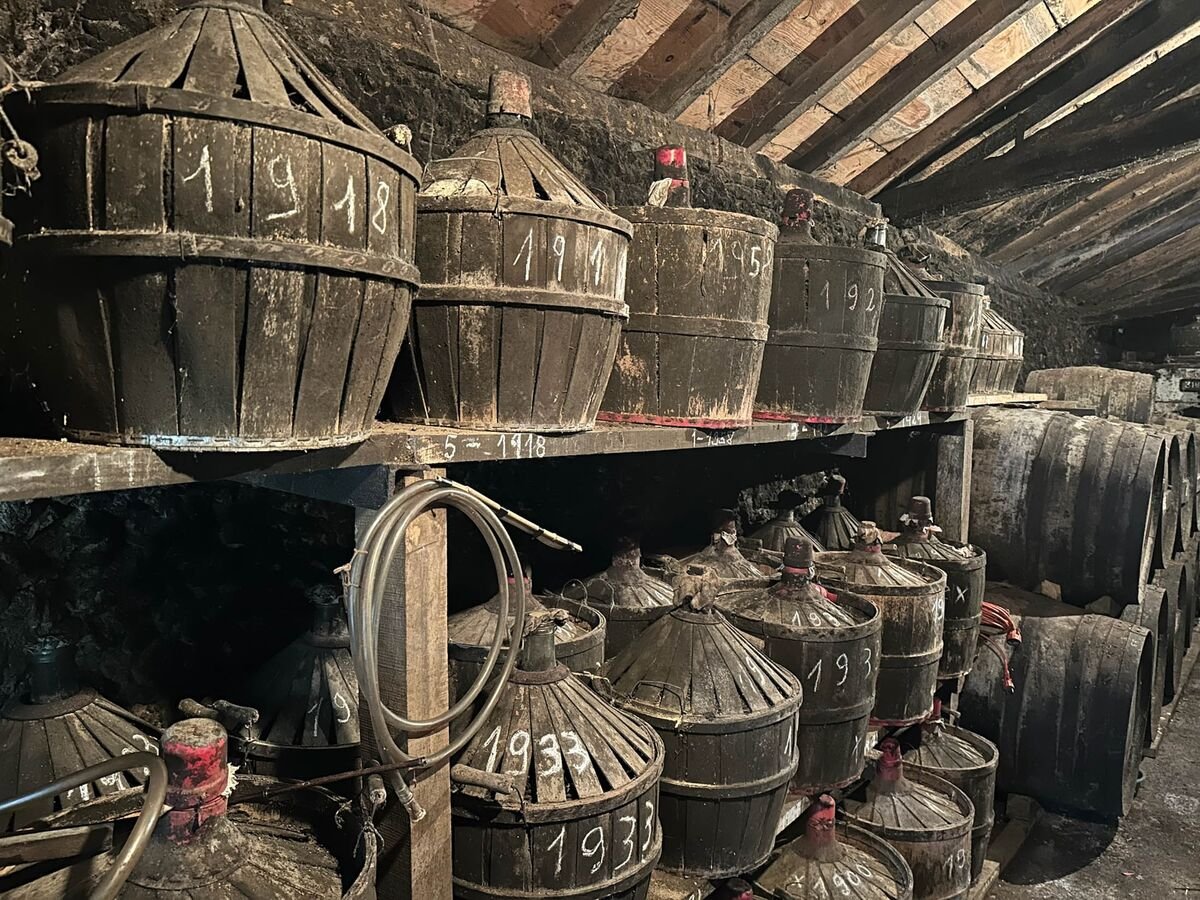
There’s casks all over the place, all over France, sitting in garages and sheds.

Cognac houses Pasquet and Grosperrin are among producers that have gotten the memo, as well as L’Encantada Armagnac, he says, which can be “very bourbon-like. It’s dark and oaky because they don’t do as much treatment to it, they just sort of leave it in the barrel.”

Reid Bechtle, a collector in Virginia, agrees. He was so enchanted when first tasting L’Encantada’s Armagnacs in 2015 that he and fellow members of his private whiskey club—1789b, which buys whole barrels of spirits—foresaw the untapped demand and purchased three on the spot. Now, he says, L’Encantada’s fame has grown, and its small-batch, orange-wax-topped bottles command such a cult following that it’s often impossible to find at retail. “What we used to buy for $60 is now $300.”

For your own collection, this month PM Spirits is releasing a L’Encantada discovery box ($211) featuring 200‑milliliter independent bottlings of brandy distilled by three different domaines over three different decades: 1999, 2001, 2012. Dozens of years in barrel reveal beautiful tertiary aromas of dried citrus, tobacco and resin.

Cognac Frapin, a family-owned producer founded in 1270, focuses mostly on traditional aged blends, but it, too, is coming around, with help from Palazzi. A 1994 vintage released in May is a first for the maison: single-estate, single-cask, full-proof. Balancing the richness of the wood with subtle orchard fruit, vanilla and leather, it costs $265. Only 500 bottles were made.

Similarly, Bien Élevé imported a single-cask 1967 Cognac Lheraud Bons Bois ($640), perfumed with exotic spice and dried figs and elegantly rounded on the palate. “It’s become more of a focus in France, finally, for single-barrel picks,” says Faron, the Bien Élevé co-founder. Just a dozen of the 132 bottles of the Lheraud Bons Bois were allocated to the US.

I wouldn’t be surprised if major producers started earmarking exceptional casks as well, given that collectible, traditional blends have stalled. The compound annual growth rate by volume of ultrapremium-and-above French brandy was down 2% globally from 2018 to 2023, compared with ultrapremium bourbon’s 22% growth, according to IWSR, a global beverage alcohol data specialist.

“With French brandy, the extraordinary and extensive histories—over 700 years for Armagnac alone—and the tremendous ageability of these spirits, arguably far greater than most whiskeys, should mean that the possibilities for finding great spirits are near endless,” says Nima Ansari, a buyer for Astor Wines & Spirits in New York who stocks about 20 bottles of boutique brandy. Cognac can age longer than bourbon or American rye because of a cooler climate and less char on what are usually older, larger barrels.

But the ultimate factor may be the love of the hunt. As in the early days of searching for bourbon “dusties” on liquor store shelves, there’s a sense of undiscovered treasure out there, if you know where to look and strike quickly when opportunities arise.

If a vineyard hasn’t presold all its grapes to a brandy house, some farmers might have their own spirits distilled for consumption among friends and family or as an investment. “Every farm is a potential producer,” Ury says. “There’s casks all over the place, all over France, sitting in garages and sheds.”

In other words, there’s a lot of potential boutique brandy out there—and it’s all rare. Consider: If an importer comes across the private stash of an elderly couple, buys it and releases 170 bottles, it might be all that family farm ever produces.

For collectors who get a thrill from acquiring a truly one-of-a-kind spirit, it’s tough to put a price on those bragging rights. At least for now, though, a couple hundred bucks ought to do it.

https://archive.is/Cf9Yi

Vinepair: The 15 Best Mezcals for 2024

Best of, agave, NETA, Cinco Sentidos, Mezcal, VinepairNicolas Palazzi

Mezcal enthusiasts, of which there is a growing, occasionally dogmatic rank in the U.S., can reasonably argue that theirs is the ultimate spirit. Mezcal’s mid-aughts adoption in cocktail culture helped breathe new life into familiar cocktails via simple riffs, and gifted drinkers with more than a handful of beloved modern classics.

While those drinks rely on larger brands placed for that very use (like Del Maguey in the Naked & Famous), the category is overwhelmingly made up of small to tiny-scale producers. These artisans employ hands-on, traditional techniques, harnessing the diversity of seemingly endless species of agave to provide stunningly complex sipping spirits.

With much to geek out on, VinePair’s guide to the different types of mezcal, and the different varieties used in production, offers a comprehensive primer. But we’re here to explore brands, expressions, and the best bottles available right now on the U.S. market.

To compile this list, we tasted more than 60 samples submitted to VinePair (gratis) by producers, importers, distributors, and PR firms working on their behalf. Each was tasted non-blind, allowing us to factor price into our conclusion, and ultimately determine whether the bottle was worthy of inclusion on this list — the aim of which is not just to highlight the crème de la crème, but the best offerings across a wide range of price points.

NETA Tequilana Capón

NETA, Tequilana Capón – Wilfrido García Sánchez

Prior to the pandemic, the Tequilana agave (Blue Weber) grown by producer Wilfrido García Sánchez’s uncle Lalo made its way to Jalisco, where it was used to make unidentified tequilas. When those commercial relationships broke down because of shutdowns, Wilfrido and brother Ramón started crafting their uncle’s agave into fine, small-batch sipping spirits. One such example, this is a beautifully expressive release that begins citrusy, fruity, and mineral-rich, with an almost ghee-like quality lingering beneath. The palate is similarly bright and intense, with a finish that lasts an age.

Average price: $190
Rating: 96

Cinco Sentidos Cuishe

Cinco Sentidos, Cuishe – TÍO TELLO & EDUARDO “LALO” PEREZ CORTÉS

Technically sold as an uncertified agave spirit, this mezcal is produced from wild-harvested Cuishe that’s roasted with mesquite firewood and hand-chopped and mashed prior to fermentation. Its profile is lithe and clean, serving bountiful helpings of pineapple, jalapeño, and mineral notes. Smoke is an afterthought, and one that adds just a touch of savory character to the palate and finish, elevating the sipping experience to the next level.

Average price: $125
Rating: 94

https://vinepair.com/buy-this-booze/best-mezcals-2024/

Wine Spectator: Why Vermouth Is the Perfect Bridge to Cocktails for Wine Lovers

vermouth, Nicolas Palazzi, Navazos PalazziNicolas Palazzi

And why you should be storing this Martini staple in the fridge

By Kenny Martin

For decades, vermouth has been accumulating dust on the back bar, where a lonely green bottle waits to be used sparingly—if at all—in a dry Martini.

Luckily for wine and spirits lovers, change is in the air. In the past decade, established brands have upped their game, and small producers are making outstanding versions in both traditional and experimental styles. Vermouth generally offers excellent value, with most bottles priced less than $40. And vermouth is highly versatile—suitable for sipping on the rocks, mixing up a cocktail or savoring straight from a wineglass.

“Vermouth is the best of both worlds for me as a wine person,” says Madeline Maldonado, beverage director at José Andrés’ Mercado Little Spain. Its versatility, range of styles and ability to express terroir make it a natural bridge between wine and spirits—and a stylish addition to any home bar.

With soaring quality and diversity, there’s never been a better time to appreciate this fortified and aromatized wine.

What Is Vermouth, and How Is It Made?

Traditionally, the base wine for all vermouth is white. Most sweet vermouths get their color from a combination of sugar, botanicals and sometimes colorants. Spirit is added to the base wine, which results in an alcohol by volume between 13 and 22 percent. Alec Kass, who has assembled a list of over 200 vermouths as beverage director at New York’s Rosevale Cocktail Room at the Civilian Hotel, says vermouth “is closer to wine, in many respects, than it is to spirits.” It can be drunk straight, in a wineglass, on the rocks or in a dazzling array of cocktails.

Vermouth’s defining botanical is wormwood. (The name “vermouth” may have come from wermut, the German word for wormwood.) While some countries require the inclusion of at least a little wormwood in order for something to be called “vermouth,” most producers don’t use much. And some, particularly those in the New World, avoid wormwood entirely. Other common botanicals include gentian, cinchona, rhubarb, cinnamon and citrus, and the number of botanicals in vermouth can range from a mere handful to more than 50.

There’s evidence that fortified and aromatized wine, some of which included wormwood, was produced across the ancient world, from China to Greece and beyond. Wine was commonly fortified for preservation, and botanicals were often added for purported medicinal benefits. While doctors today are unlikely to espouse vermouth as a cure-all, its appetite-stimulating properties give it a starring role in aperitivo hours across the globe.

Sweet

Sweet vermouths deliver complexity of flavor—from bitter to nutty, piney to fruity—that few beverages can match.

Navazos Palazzi

Spain | $32 | 17.5% ABV
A collaboration between the boutique Sherry négociant Equipo Navazos and the importer Nicolas Palazzi, this standout boasts a base of oloroso Sherry aged five years in oak. Red currant, pumpkin pie spices, Mexican chocolate, salted nougat.

https://www.winespectator.com/articles/vermouth-ultimate-guide-and-explainer

Imbibe Magazine: 13 to Try: Vermouths

Navazos Palazzi, Nicolas Palazzi, vermouthNicolas Palazzi

NAVAZOS-PALAZZI VERMUT ROJO

Some of the most lusciously drinkable vermouths these days are coming from Spain. And this arresting rojo proves that sippable doesn’t mean simplistic. Hailing from Jerez, this oloroso-based vermouth from wine and sherry negociant Equipo Navazos and self-described “provider of geeky spirits” importer PM Spirits is as sultry and elaborate as they come. It features a texture so robust it’s almost chewy and a skillfully stacked set of floral botanicals and spice that rings every aromatic bell. Pour it over ice to taste its flavors slowly unfurl. Or mix it into a mezcal Negroni if you want to blow the roof off the place. $34.96, astorwines.com

https://imbibemagazine.com/vermouths-to-try/

Decoding Cocktails's Substack: Podcast ep. 52: Nicolas Palazzi of PM Spirits

Armagnac, Cobrafire, Domaine d’Esperance, Nicolas PalazziNicolas Palazzi

If we wouldn't drink it, we won't sell it.

Podcast ep. 52: Nicolas Palazzi of PM Spirits
Decoding Cocktails

Nicolas Palazzi is an engineer turned spirits importer. Originally from Bordeaux, France, he lives in Brooklyn, where PM Spirits (named for his father, Paul-Marie Spirits) is located.

Nicolas Palazzi

I first became aware of PM via a Roffignac cocktail I had in New Orleans at Peychaud’s Bar. It was PM’s blanche armagnac named COBRAFIRE and a raspberry shrub. It was a stunning drink, and isn’t the branding fantastic?!

Cobrafire – Blanche Armagnac

One thing Nicolas discussed during our conversation that I didn’t probe for more info on is aging additives. Even though additives are generally put into something to mask an inferior product or to speed up the process, Nicolas said there are instances where additives can be a good thing. He says a great B.S. meter for additives is, does this make the overall production process more or less expensive? You can read more about additives on PM’s blog.

Want more on Nicolas and PM? Their blog #DrinkLessDrinkBetter has a piece on his story called “Bordeaux to Brooklyn.” You can also find more in Vogue, Saveur, and The Agave Social Club podcast.

https://decodingcocktails.substack.com/p/a7779be6-a291-4ff2-a91a-9840eb7a6039

Vinepair: Puntas — a High-ABV, Hyper-Traditional Style of Mezcal — Is Going Commercial

agave, Cinco Sentidos, Vinepair, VenenosaNicolas Palazzi

It was at the end of a tasting at Eli’s Mezcal Room, an underground mezcal tasting experience located in a local man’s New York apartment, when host “Eli” (not his real name) pulled out one final bottle he thought might interest me: an unlabeled plastic water bottle he had suitcased back from Mexico. It was extraordinarily aromatic and I could smell its vegetal, medicinal notes the second the Poland Spring’s lid was unscrewed. It likewise had a rich, intense, burning flavor — no surprise as it was nearly 70 percent ABV.

When alcohol comes off a still, the distiller cuts it into three parts, each descending in alcohol content, and generally referred to as the heads, the heart, and the tails. The most toxic elements, like methanol, are concentrated in the heads and tails, meaning many distillers across all spirits categories only bottle the hearts to be safe.

But this special mezcal Eli had served me was actually composed of all heads, which, besides methanol, also possess some incredibly aromatic, flavorful compounds like propanol, ethyl lactate, acetic acid, and furfural.

Though formerly the (strictly non-exported) handiwork of hyper-traditional mezcal, of late, puntas offerings are becoming increasingly commercialized and the category has even infiltrated the tequila world.

Puntas on the Palenque

Until recently, most Americans who would have tried puntas (the Spanish word for points, a synonym for heads) probably did so in a similar way to what I did. There aren’t really any commercial examples of it and, quite frankly, bottlings like the one I tasted might not even be legally allowed to be sold in this country for a variety of reasons.

“It’s definitely much more common to find it at the palenque (mezcal distillery),” says Noah Arenstein, who runs the mezcal program at The Cabinet in New York’s East Village. “Because either it’s being used to blend back into the final mezcal and adjust the ABV and flavor … or they’re saving it to drink for themselves.”

If The Cabinet has one of the world’s largest mezcal collections, the bar only has a few commercial examples of puntas. Indeed, Mezcal Reviews, an online database with over 1,800 mezcals listed, has only cataloged 11 puntas bottlings over the years.

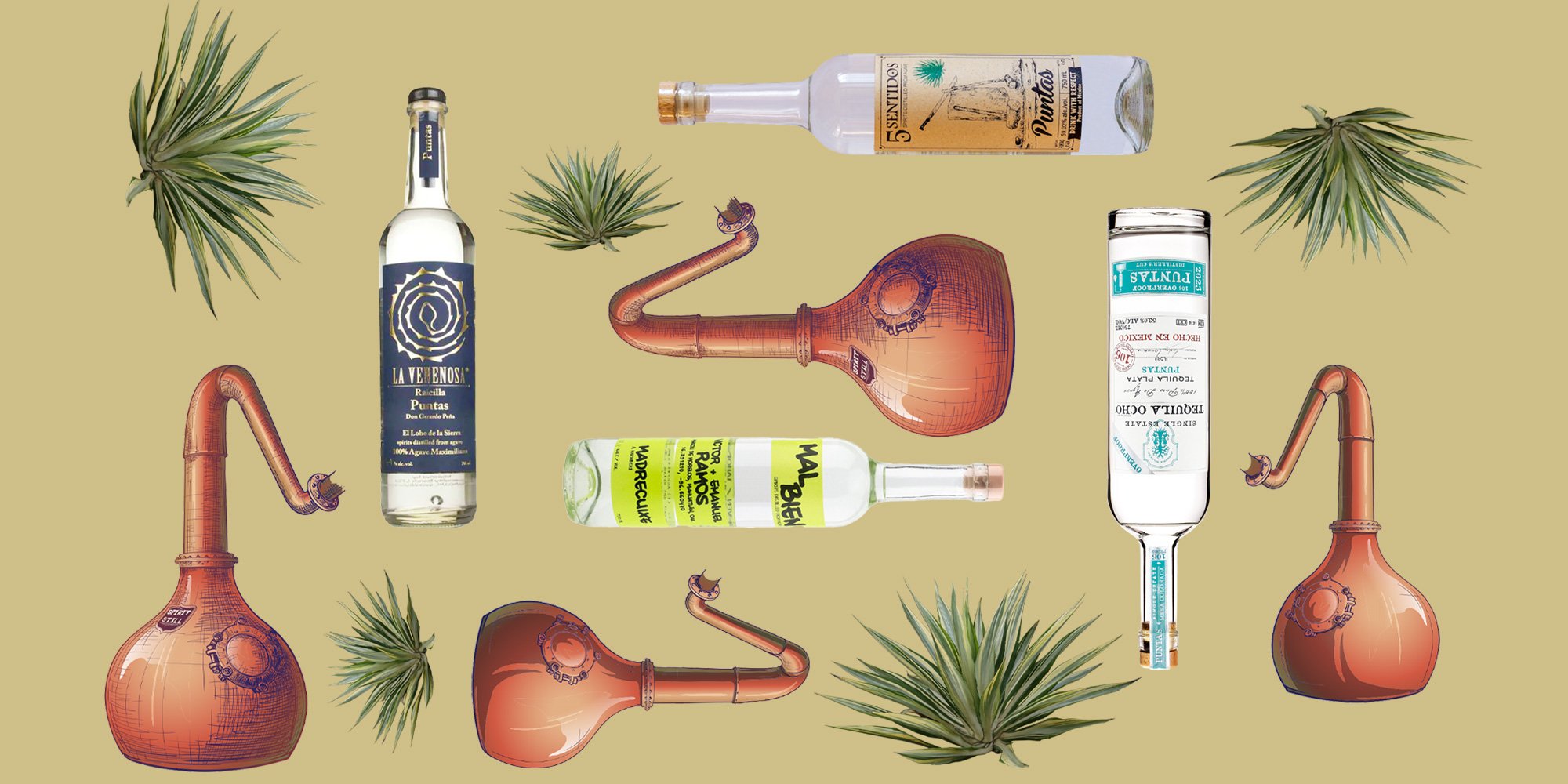
La Venenosa, raicilla Puntas

La Venenosa Racilla Puntas is the first example Arenstein recalls seeing on shelves, circa 2016. (While also agave-based, raicilla is not the same as mezcal or tequila.) Cinco Sentidos shipped its first batch of Puntas de Espadín to the U.S. market in 2021. Two years earlier, Mal Bien had started offering Madrecuixe Puntas, which the producer called “the platonic ideal that we imagine spirits to be. Agave, boiled down to its very essence, the plant stripped of everything but its soul.”

“This was always something we would produce at the distillery, ever since we started producing in 2007.”

Cinco Sentidos espadín Puntas

Arenstein finds all the puntas releases have a unique, specific taste. “You get almost a hand sanitizer note,” he says. “You put it on your hand and it evaporates like, you know, a hand sanitizer without lotion would. It has a lightness and kind of effervescence to it.”

If that doesn’t sound too appealing, there’s the somewhat taboo aspect of drinking puntas to consider. Haven’t we long been told that heads are solvent-y in taste and dangerous to drink — not only high in ABV but high in methanol content. And can’t that make you go blind?!

“If I’m pouring puntas for someone I will sometimes preface it with that,” Arenstein says. While a well-cut puntas is certainly safe to drink in small portions, Arenstein admits he has definitely encountered mezcaleros (distillers) with a cloudy-eyed look that has made him wonder, if not concerned.

The Distiller’s Cut

Admittedly, any concerns Arenstein has are not enough to stop him from drinking delicious examples of the style as more and more expressions hit the market. And it’s not just mezcal (and raicilla) producers now sending puntas expressions stateside.

“I think distillation can get really complicated and geeky to the average person,” Estes says, “so we wanted to help people understand what makes this different and unique and special.”

The first release, produced from agave from the La Ladera estate, and distilled at La Alteña, which has been the Camarena family’s distillery since 1937, was cut at 64 percent ABV, though diluted with water to 101 proof. (While a traditional mezcal puntas would never be diluted, tequila can’t legally be bottled in America at higher than 110 proof or 55 percent ABV.)

It quickly became a cult hit, well reviewed on sites like Tequila Matchmaker where it currently scores a crowd-sourced average of 90 among the site’s community. It was also most mainstream tequila drinkers’ first introduction to the old mezcal term puntas. (In Jalisco, distillers use the more literal translation for heads: cabezas.)

“There’s bad borrowing that’s happening from the mezcal world and there’s some good borrowing. And in a way this feels like a good borrowing,” Arenstein says, referring to Ocho’s use of the term. (Estes is quick to note that Camarena’s great-grandfather was making what was known as “vino de mezcal” well before tequila was even a term or category.)

https://vinepair.com/articles/puntas-traditional-mezcal-on-the-rise/

the Philadelphia Inquirer: We tried almost 40 bottles of locally available tequila and mezcal—here are the 16 best

Best of, Cinco Sentidos, NETA, MezcalNicolas Palazzi

Mezcals and tequilas are the most complex, biodiverse and terroir-driven spirits on the planet. Our tasting panel named 16 favorite agave spirits at a range of price points.

I’m usually all about gifting whiskey come December. But I decided it was time for a change after a memorable reporting trip to Mexico this year following restaurateur and tequila producer David Suro on an epic agave spirits journey across Jalisco and Michoacán. Visiting with revered mezcaleros and tequila artisans was eye-opening and educational. It also reaffirmed my belief that agave spirits are the most complex, biodiverse, and terroir-driven spirits on the planet.

So grab your copitas, mis amigos! It’s time to take my annual holiday booze list south of the border.

With nearly 40 bottles to consider on the tasting table at my house recently, my jicara gourd cup was overflowing. The mere task of assembling these candidates was daunting. The agave spirits market has exploded with international interest but also become fraught with over-industrialization, celebrity label nonsense, and concerns about sustainability.

So I asked Suro, whose restaurant Tequilas is still under reconstruction from a February fire (a reopening is planned for spring), to help winnow them down. I focused on additive-free bottles made largely with traditional methods, all available in the Philadelphia area. Only a handful of tequilas made the final cut. (Suro’s own excellent Siembra Azul brand, which I recommend, was excluded.)

This final list of 16 recommendations is focused on mezcals and their counterparts, distillados de agave, which are essentially mezcals made outside Mexico’s officially designated areas of mezcal’s Denominación de Origin. Tequila is, in fact, one kind of mezcal, but its production methods are typically different and legally can be made from only one variety, Agave tequilana azul Weber, or “blue agave.”Mezcals can be produced from as many as 58 different kinds of agave — every batch is distinct, a reflection of terroir, craftsmanship, and local culture.

As a result, quality mezcals can be relatively more expensive, said Dan Suro, 27, David’s son, partner, and beverage manager at Tequilas, who helped lead our tasting.

“Mezcals were not meant for capitalism. They were were meant to be shared among communities,” he said. “Some batches are just 60 or 70 liters, and take over a month to make from plants that can be 20 years old and are under too much economic pressure right now (due to demand). Yeah, we should be paying $150 or more per bottle to support them.”

“There’s often a big difference,” Dan Suro says, “between premium-priced agave spirits and premium agave spirits.” We focused squarely on the latter, and this list showcases a range of prices. Some bottles are limited, by nature. But all are currently available either through Pennsylvania Fine Wine and Spirits (several by special order only), or in noted South Jersey retailers such as Benash Liquors in Cherry Hill, the region’s prime destination for coveted agave spirits, or Clayton Liquors in Gloucester County, whose growing collection can be sampled at the in-store “Tequila Temple” bar. Philadelphians, meanwhile, can preview many of these gems at agave-forward restaurants like El Mezcal Cantina, Cantina La Martina, La Llorona, Grace & Proper, Vernick Fish, Martha Bar, Condesa, Sor Ynez, and Superfolie. Of course, Tequilas will likely set the standard once again when it reopens in 2024.

Small Batch Mezcales

Neta Espadín Capón

Any perceived bias about the limitations of espadín, the most ubiquitous agave used in mezcal, should be punctured by this gorgeous spirit from Miahuatlán in Oaxaca. Ripe orchard fruits of pear and peach burst through the nose, with well integrated smoke that unfurl.

5 Sentidos Espadín-Cuixe-Madreculxe

An ensamble blend of three agaves (espadín, cuixe, madreculxe)is roasted together underground over mesquite and oak, crushed by hand mallets, and distilled in copper. This 70-liter batch was aged 15 years in glass, which allowed this rambunctious, high-proof spirit to harmonize impressively into rounded flavors that come in waves on the palate with a profile Dan Suro called prototypical Mihuatlán: dried green apples, pepper, and umami lingering on a gentle smoke. 5 Sentidos Espadín-Cuixe-Madreculxe, 101 proof, 750ml.

https://12ft.io/proxy?q=https%3A%2F%2Fwww.inquirer.com%2Ffood%2Fcraig-laban%2Ftequila-mezcal-tasting-holiday-gifts-suro-20231214.html

Vinepair: The 50 Best Spirits of 2023

Best of, eau de vie, Mezcal, Cinco Sentidos, Cobrafire, Domaine d’EsperanceNicolas Palazzi

Dozens of categories considered, thousands of bottles tasted, and almost 12 months in the making, the publishing of VinePair’s 50 best spirits list marks a major milestone in our calendar and one of our favorite annual traditions.

Consider it not a bonafide buying guide — those can be found here — and instead a highlights reel of the best spirits that graced our palates this year. While we recommend picking up any and all you encounter, or ordering a pour from a bar list, the popularity of certain categories and brands, coupled with the limited nature of some of the releases, means the probability of being able to do so varies wildly from one bottle to another. One constant that links them all, however, and the reason each features on this list: It would be a spirited crime not to honor their existence.

So what made the cut? This year served us no end of imaginative and successful experiments; reminded us that stalwart go-tos carry such reputations for a reason; and encouraged us to look beyond the expected from various regions and nations. Prepare for “bog aged” oak, Mexican eau de vie, and countless representations of brown spirits from non-age-stated to cask strength, single-barrel, experimental finishings, and ultra old.

44. Cobrafire Eau de Vie de Raisin

Chances are, you probably missed the launch of the Blanche d’Armagnac (white Armagnac) appellation back in 2015, but you shouldn’t sleep on the products within the category. This 50.5 percent ABV offering from PM Spirits’ Cobrafire project dances between stone fruit brightness and umami-rich savoriness, and promises to leave a lasting impression.

34. Cinco Sentidos Espadín Capón Alberto Martinez

The “capón” technique referenced in this spirit’s name sees growers remove the sprouted stalks (quiotes) from agave, then leave the plants in the ground for extended periods to enhance sugar concentration. The wait is certainly worth it for this bright, fruity spirit, which shatters any notion that Espadín is a characterless, “workhorse” agave variety.

https://vinepair.com/buy-this-booze/best-spirits-2023/

Distillery Nation – Sipping Success: Exploring Artisanal Spirits With Nicolas Palazzi

PM Spirits, Nicolas Palazzi, Distillery Nation PodcastNicolas Palazzi

podcast ·Nov 29, 2023

In the latest episode of The Distillery Nation Podcast, featuring none other than Nicolas Palazzi, the mastermind behind Brooklyn-based PM Spirits. As the owner, importer, and wholesaler of some of the most exquisite spirits in the market, Palazzi takes us on a journey through the nuances of his craft in this captivating episode.

Ever wondered how someone finds their way into the spirited realm? Palazzi shares his fascinating journey, revealing the passion and determination that fueled his entrance into the spirits industry. From humble beginnings to becoming a prominent figure in the world of artisanal spirits, his story is nothing short of inspirational.

Choosing the right distributor can make or break a brand in the competitive spirits market. Palazzi provides valuable insights into this crucial aspect of the business, offering tips on navigating the complex landscape of distributor selection. For aspiring distillers and entrepreneurs, this episode is a treasure trove of practical advice on building successful partnerships that can elevate your brand to new heights.

PM Spirits is renowned for its discerning taste when taking on new projects. Palazzi delves into the criteria that guide PM Spirits in selecting the next venture. From the uniqueness of the product to the story behind it, learn what sets apart a project that aligns with PM Spirits' vision and ethos.

The episode is not just a conversation about spirits; it's a masterclass in entrepreneurship and the art of crafting exceptional libations. Whether you're a seasoned professional in the industry or an enthusiastic consumer eager to learn more, this episode promises to leave you with a newfound appreciation for the craftsmanship behind each bottle.

Tune in now to The Distillery Nation Podcast and join us as we uncork the secrets behind PM Spirits with Nicolas Palazzi. Cheers to a spirited conversation that will leave you craving the exquisite taste of artisanal spirits!

https://www.mastrogiannisdistillery.com/blogs/the-distillery-nation-podcast/sipping-success-exploring-artisanal-spirits-with-nicholas-palazzi

Vinepair: Boutique Cognac Producers Are Betting on Transparency and Innovation to Shake Up the Status Quo

cognac, Cognac Frapin, Nicolas Palazzi, VinepairNicolas Palazzi

There’s no dichotomy in spirits like Cognac. With a history dating back hundreds of years, the famed French brandy is led by gigantic legacy brands owned by multinational conglomerates. These companies source most of their eau-de-vie from thousands of growers within the Cognac AOC, maturing and eventually blending it into a portfolio of products that start with entry-level V.S. and often extend to limited-edition Hors d’Age (“beyond age”) offerings that can run thousands of dollars a bottle.

Almost all discussion of the category is driven by these leading houses, which tightly control the information they share and work closely with Cognac’s trade group, the BNIC (Bureau National Interprofessionnel du Cognac). Yet they’re curiously reticent about speaking to the press; of four major brands that were approached for this story, only one, Courvoisier, was willing to make someone available for an interview. Nicolas Palazzi, owner of PM Spirits, which imports boutique brand Frapin Cognac among others, calls the industry a “black box” of secrecy.

“There has been a lack of information and a lack of transparency from Cognac in general because it’s easier for business,” he says, explaining that baked-in ambiguity — part of the regulations governing Cognac production — allows blenders to incorporate a variety of liquids into their products without disclosing their ages, or if they use additives. “The less things are transparent, the more a brand can play around to meet the demand. There’s a reason why there’s no vintages on bottles—why no one tells you [the age].”

Though they dominate sales, the big houses aren’t the only players in Cognac. There are also estate distilleries, small-scale négoçiants (independent bottlers), and growers who hold back some of their distillate to sell under their own name. The volumes they produce are but a drop in the barrel, and many operate under the same veil of silence as the rest of the industry — no doubt because they rely on the success of the leaders to buoy the region’s fortunes as well as their own.

But the little guys are becoming an increasingly important factor in the equation of U.S. market sales. The spirits boom of the last two decades has yielded a crop of knowledgeable consumers who are curious, engaged, and on the lookout for unique products. They’re asking questions, demanding transparency, and searching for what’s authentic. Is the Cognac industry prepared to give them what they want?

The New Cognac Consumer

Cognac has been on a tear in the U.S. market over the past two decades, selling 9.28 million cases in 2022, compared to 4.15 million in 2012, and just 3.7 million in 2002, according to the BNIC. The bulk of that growth has come from a handful of brands: Hennessy, Rémy Martin, Courvoisier, Martell, and, more recently, D’Ussé. Luxury positioning, sophisticated marketing, and celebrity affiliations have contributed to this runaway success, as has the sheer volume that these big companies are able to execute as demand ramps up.

Alongside this growth has been an expanding base of engaged, curious consumers. “Knowledge [about Cognac] is much more democratized, distributed — all over the internet,” says Max von Olfers, co-founder of cognac-expert.com, an e-commerce site dedicated to brandy. When he and his sister, Sophie, started the website in 2009, “the big trend was what we would call ‘influencer Cognac’”—brands with celebrity partnerships, like Ludacris with Conjure Cognac or Jay-Z with D’Ussé. “Today’s trends were very far away — not even visible,” Olfers says, mentioning vintages, high proof, organic production methods, and single barrels as some of the buzziest topics his customers are now seeking out and discussing. “This connoisseur-ization of the Cognac world is really what changed in recent years.”

The trend was already underway when the pandemic began in March 2020. For the first few months, spirits purchase patterns tended to favor more established brands as people sought familiarity. But eventually consumers adjusted to virtual tastings and online shopping, and were back to exploring new-to-them brands and products. “Consumers were way more open-minded to spending money on new items in 2020 and 2021, and we definitely benefited from that,” says Guillaume Lamy, managing director for the U.S. arm of Ferrand Cognac, a brand whose releases, which include unique cask finishes and other atypical characteristics, tend to showcase an outsize level of creativity for the category.

During the early days of the pandemic, when people were reluctant to shop in person, retailers like Baytowne Wine & Spirits, in the Rochester suburb of Webster, N.Y., turned to the phone and social media to walk customers through their options. General manager James Pellingra says that the “new normal” allowed him and his staff to highlight the boutique and artisanal offerings the store stocks. “Because we were able to communicate in such a detailed way … you see some of the smaller producers that are extremely historic in the European market start to take over a little bit in the American market,” Pellingra says, citing Fanny Fougerat and Jacky Navarre as two top sellers.

The process was accelerated when Hennessy, which is far and away the largest Cognac brand in the world, fell victim to supply chain trouble and began to temporarily disappear from shelves. Pellingra says that at first Hennessy customers switched to D’Ussé; then, when D’Ussé began experiencing out-of-stocks, they looked to the store’s artisanal offerings.

It was a lucky break for the little guys. “We were able to fill the shelves of some retailers who were used to having the big four or five Cognacs but were not able to get them,” says Christine Cooney, co-owner of Massachusetts-based Heavenly Spirits, which brings in several small Cognac brands including Monnet and Jean Fillioux. “Sometimes the hardest part of us selling smaller producers is to get on the shelf.”

And now that they’re there, Cooney says, her brands are selling well enough to maintain their spot. “They usually stay on the shelf because once people discover how good our small producers are, then the product is being reordered.”

The Push for Transparency

The reasons for this sustained success aren’t hard to spot. Boutique Cognac brands are high quality and, for marques above VSOP, they’re often priced competitively, if not well below mainstream offerings. Plus, they’re willing to share information that the big guys tend to keep under wraps. “I’ve found the littler producers are more open to talking about process,” says David Othenin-Girard, spirits buyer at California retailer K&L Wine Merchants, whose Cognac selection focuses on small-production brands such as Dudognon and Jean Grosperrin. The small brands that Cooney represents often participate in video tastings; education, she says, is a keystone of the company’s strategy.

Though most people drinking Cognac are still seeking the mainstream brands, Baytowne’s Pellingra says that the value proposition of smaller producers is a big draw for retailers. Plus, he adds, “They’re more transparent about where their fruit comes from, the process in which they’re distilling, how they’re aging, rather than some of the bigger brands where everything is kept secret.” That’s a big win with customers. “We want to know where our product comes from, how it’s made, and how it gets to us,” Pellingra says.

Much of that desire for transparency is being driven by whiskey drinkers who are exploring Cognac for the first time, and bringing their expectations and biases with them. Olfers, while including rum drinkers as well, calls them a “new wave,” adding: “This group is a small but very loud group. They are mixing up the Cognac world.” He sees their influence in the growing cadre of private bottlers offering unique barrels and bottlings.

“The story has gotten out: The big houses source from hundreds of growers and producers,” says writer Jason Wilson, who covers Cognac regularly in his newsletter “Everyday Drinking.” “But you’re starting to hear this story that the smaller producers keep a few of the very best barrels for themselves over the years, and now you have these smaller négoçiants that are going out and sourcing barrels from these old-timers,” he says. “That’s what the real spirits enthusiasts want.”

Pellingra’s experience at Baytowne bears this out; customers snap up whatever single-barrel brandies he can bring in — not just Cognac, but Armagnac and Calvados, too. “The American market has finally realized they can buy 20-plus-year-old brandy for a much more reasonable price than 20-plus-year-old whiskey,” Pellingra says. “And it’s much more readily available. … If you go in looking for a bottle of bourbon [at that age] — I mean, most places are going to laugh you out of the store at this point, unfortunately.”

Cooney has seen the same trend in Heavenly Spirits’ portfolio. “We have sold a few Cognac [single] casks at full-proof,” she says. “That kind of Cognac is a draw for whiskey drinkers” because of the high proof — unusual for Cognac, which is almost always bottled at or near 40 percent ABV. For these customers, Cooney says, “the higher, the better.”

Untapped Potential

Let’s be very clear: Small Cognac brands are never going to make up more than a tiny fraction of the massive, and massively successful, Cognac industry. The top five brands make up more than 96 percent of the market, according to Impact Databank, with Hennessy alone accounting for more than 55 percent. These volume leaders may not notice or care that a niche subset of spirits buyers are pursuing boutique offerings, since their success has historically been driven by a different kind of drinker — one who’s often brand-loyal above all else. Still, there are signs that some big brands are trying to reach more hardcore spirits enthusiasts. Courvoisier, for example, released a mizunara cask-aged offering in 2022 that was partly made by Japanese master whisky blender Shinji Fukuyo, clearly targeting whiskey connoisseurs.

But outside of the leading five houses, Cognac producers looking to make a mark in the U.S. would be wise to pay attention to what consumers say they want. “The potential of the category for producers and drinkers has not even begun to be scratched,” says Nima Ansari, spirits buyer at New York’s Astor Wine & Spirits. “A lot of the things that are exciting people in other categories already exist in spades in Cognac, too.”

If they’re going to make a go of it, boutique producers should be prepared to work hard. “The small guy has to do it hardcore,” Palazzi says, meaning: find the right importer and wholesaler partners, put in the time and effort to do consumer and trade tastings, and tell the story constantly. “That stuff is extremely hard. It’s a labor of love. There’s zero money in it.”

But, he says, “if they find a megaphone in the U.S. market, then they can express this and distance themselves from the big guys.” For small Cognac producers trading on their authenticity and transparency, that just might be the best way forward.

https://vinepair.com/articles/boutique-cognac-transparency-innovation/

The Agave Social Club: PM Spirits and Nicolas Palazzi

agave, PM Spirits, Tequila, Nicolas PalazziNicolas Palazzi
PM Spirits and Nicolas Palazzi
The Agave Social Club

I speak with PM Spirits founder Nicolas Palazzi about his journey into bringing incredible spirits to the market. We discuss and taste their super small batch PM Spirits Tequila Blanco as well as talk about some of the other brands they are working with. To learn more about PM Spirits, you can go to https://www.pmspirits.com

https://theagavesocialclub.buzzsprout.com/1271420/13799662-pm-spirits-and-nicolas-palazzi

TWO-NINETEEN: Happy Hour With Nicolas Palazzi

TWO-NINETEEN, Nicolas Palazzi, David Driscoll, marketingNicolas Palazzi

Continuing the conversation about the booze business in the face of the pandemic, I had the chance to sit down this week with my longtime friend Nicolas Palazzi to discuss retail logistics, supply chain woes, and all the other challenges facing importers and distributors with COVID-19 spiking once again. Nicolas gave a very honest and transparent account of the hardships he’s faced at PM Spirits over the last two years, shining a light on how far we still have to go before “normal” ever exists in the wine and spirits industry again.

-David Driscoll

https://www.instagram.com/p/CYXfTy6F1w0/?utm_source=ig_web_copy_link

Wine Enthusiast: Why Spanish Brandy Needs a Rebrand

Brandy, Equipo Navazos, Navazos Palazzi, PM Spirits, Nicolas PalazziNicolas Palazzi

There are many garish bottles on liquor store shelves, but none do more peacocking than Brandy de Jerez. Surely, you’ve noticed the bottles I’m talking about—even if, like most people, you’ve never bought one. Most Spanish brandies boast crimson or gold labels. One dons a pretty ribbon, while a rival sports an intricate faux-gilded pattern. Some are affixed with regal wax seals, while others announce their presence in fancy Renaissance-Faire-ish fonts. Then there are the courtly names themselves: Carlos I, Cardenal Mendoza, Gran Duque d’Alba.

“Subtlety isn’t the middle name of Jerez’s brandy men,” once wrote spirits critic F. Paul Pacult in his encyclopedic guide, Kindred Spirits.

In the past, I’ve described Brandy de Jerez as that buddy who tries just a bit too hard—the one with the flashy watch, the giant belt buckle, the ridiculous gold chain or too much cologne. Sometimes, when I open a bottle, I feel as though I should be wearing a ruffled collar, like a courtier of Philip IV. Regardless, I happen to enjoy Brandy de Jerez. I believe, for instance, that it works better in many classic brandy cocktails than Cognac. But I often feel like the odd one out with this opinion.

My big takeaway? Spanish brandy is in desperate need of a rebrand, and there has mercifully been a small movement toward change in the right direction. But before I get into the signs of hope for Spanish brandy, it’s important to consider the larger state of affairs.

Last year, François Monti, a drinks writer based in Madrid, called out Spanish brandy in his industry newsletter, Jaibol. The rant was prompted by Monti’s outrage over a historic Brandy de Jerez brand’s attempt to reinvent itself as a drink to be mixed with Coca-Cola. Brandy de Jerez, Monti writes, is an appellation “not very clear about where it is going.”

It remains a fact that fewer and fewer people drink Brandy de Jerez. Since 2008, total sales have dropped from 45 million liters to around nine million liters, with consumption dropping 30 percent between 2012 and 2016 alone. During the last decade, exports fell an additional 15%, and things continue to trend downward. Spanish brandy’s largest export markets are now the Philippines and Equatorial Guinea—the latter consuming six times more Brandy de Jerez than the U.S.

Why is this? In his newsletter, Monti minces no words. “Brandy de Jerez does not stand for the quality of its raw material,” he writes. Terroir also means little: “It is very complicated to talk about the terroir of Brandy de Jerez… the vast majority of the raw material comes from outside the [Sherry] triangle,” the historic region bounded by the city of Jerez on the east and to the northwest and southwest respectively, the ports of Sanlúcar de Barrameda and El Puerto de Santa Maria.

It’s hard to say what terroir (or transparency) even means for Brandy de Jerez. The name itself invokes the city in Andalucía that’s famous for Sherry. But the grape mostly used for the brandy is not Palomino (as with Sherry) but Airen, an insipid neutral grape said to be the most planted in the world, grown mostly on agribusiness vineyards in La Mancha. Most of the brandy is distilled outside of the Sherry triangle, what the regulatory council calls the “processing zone,” before it comes to age in the vast solera cellars back in Jerez. By law, Brandy de Jerez must age in Sherry barrels, but there’s little differentiation between brands.

Then there are Spanish brandy’s elevated sugar levels: Up to 35 grams of sugar per liter is allowed. This sweetness goes against the current consumer demands for drier spirits.

Finally, Monti called out the dated, stodgy brand image:

“Emperors, cardinals, aristocrats, great battles of Catholicism: the names and image of some of the brands are an obstacle for a more modern consumer. Carlos I, a brand that has made a great effort to modernize its image and that has a clear strategy of going towards the premium segment, still mentions on its website ‘Spirit of Conquest.’ ¡Ay!”

It adds up to a spirit that the younger generation in Spain sees as hopelessly old-fashioned, the drink of their grandfathers—with a cringe-y legacy of being cosa de hombres (“a man thing”) as this television ad for Soberano from the 1960s suggests. (Even darker was this horrible ad.)

All of this is a shame. I have been a big advocate for Spanish brandy over the years. Back in 2015, Monti and I actually presented a panel on the spirit at Tales of the Cocktail. Even then, we spoke about the same challenges that Brandy de Jerez faces today, which tells you how little has changed in the past eight years.

At the time, we implored brands to re-evaluate the high sugar content and additives in a world that wants products that are dry and additive free. We bemoaned the low level of alcohol by volume. Most of it is imported into the U.S. at just 40%, but much of what’s sold in Spain and elsewhere falls below even that, down to 36% abv. We even wore ruffled collars to underscore silliness and outdatedness of the category’s imagery.

In Monti’s article, the last straw for him was the suggestion of combining brandy with Coca-Cola, pushed by one big brand’s marketing department. He pointed out a similarly misguided marketing attempt a decade ago by the producers of Calvados, a similarly troubled spirit, who tried to push something called the Calvados Tonic. In France, Calvados Tonic was an unmitigated failure as a marketing campaign. The Spanish-brandy-and-cola, I believe, will meet the same fate. “One of the most uncomfortable truths in the spirits industry is that hardly any recent trends have been created by brands,” Monti notes.

The real challenge for Brandy de Jerez is to understand what premium spirits drinkers really want. But there are signs of hope in a growing number of smaller producers who are more transparent about origin and aging.

Among them is a project by Sherry negociant Equipo Navazos, which has partnered with importer Nicolas Palazzi of PM Spirits to release a series of single-cask brandies, all without additives and bottled at cask strength.

On several occasions, I’ve tasted these brandies from the barrel with Eduardo Oreja of Equipo Navazos. These are racy, elegant, dry brandies that still retain the rich, dried fruit and full-bodied characteristics of classic Brandy de Jerez. This is revolutionary stuff.

“I had always associated Spanish brandy with some subpar version of Henny VS, some dark syrupy crap that makes the floor sticky if you drop some,” says Palazzi. That was before he tasted Equipo Navazos’ casks. “My mind was blown. I realized that at its core the additive-free product can be magnificent.”

I love the Navazos Palazzi 7-year-old aged in amontillado cask. This unique brandy was made from 100% Pardina (an obscure grape I didn’t know) and bottled at cask strength, 42.5% abv. You can find it here and here for $80. There are also still a few rare bottles of the stunning Navazos Palazzi fino Sherry cask floating around (such as here), also for around $80. For a premium brandy, something like this under $100 is well worth grabbing.

Navazos Palazzi’s most recent brandy release is aged in Pedro Ximenéz casks (bottled at 43% abv) is delicious, rounder and darker than the amontillado or fino casks. Though the cask is part of a classic solera, the average age of the brandy is at least 35 years old. It’s slightly pricier, at around $130 per bottle.

While those single-cask selections may represent the zenith of Brandy de Jerez production, I still also recommend checking out a few of the classic expressions for comparison. I’ve always liked Lepanto Solera Gran Reserva, which at under $50 is a very good value, and relatively easy to find. Instead of Airen, Lepanto uses the same Palomino grape from which Sherry is made. The result is a brighter, nuttier and more complex brandy than most in the category.

And if I ever want to remind myself what old-school Spanish brandy is like (complete with garish label and packaging) I go for the Gran Duque d’Alba. The Duke brings all that big sweet, ripe, creamy, molasses flavor, though you can still feel the attractive notes of the Sherry cask. For $40, it’s a solid cocktail pour.

Mix it in the classic brandy cocktails we talked about a few weeks ago and see for yourself. My personal favorite is a drink I call the Little Madrid (recipe below). With all apologies to my colleague Monti in Madrid, you might also even enjoy it with a Coca-Cola.


https://www.wineenthusiast.com/culture/spirits/spanish-brandy-rebranding/