
PM Spirits

Provider of Geeky Spirits

la Quintinye,Papalin,Papalin,Papalin,Papalin

Vinepair: The 30 Best Rums for 2025

Alambique Serrano, Best of, clairin, Clarin, Hampden, Isautier, Papalin, Rhum, Rum, VinepairNicolas Palazzi

Rum continues to win hearts and fill jiggers and glasses by virtue of being one of the world’s most versatile and diverse spirits. Distilled from sugar cane juice, molasses, and other derivatives, it is crafted in column and pot stills, and matured in climates ranging from the humid Caribbean to cooler, continental warehouses. The result is a category that stretches from grassy agricoles and funky, high-ester bottlings to ultra-aged expressions that rival any whiskey.

That breadth is just as evident at the bar: Rum is vital to classics like the DaiquiriMojito, and Mai Tai, and central to modern creations like the Kingston Negroni. Of course, there are dedicated, top-shelf sippers, as well as spiced shooters, which accounted for more than half of the rum sold in the U.S. last year.

With all due respect to the latter style, we did not consider flavored selections for our annual rum roundup. Instead, we focused on the diverse range of examples outlined above, tasting roughly 100 bottles from almost two dozen nations to compile this list of the 30 best rums to drink right now.

The 30 Best Rums to Drink in 2025

The Best Rum for Cocktails

Transcontinental Rum Line High Seas

As the old line goes, “what one rum can’t do, three rums can,” and that’s exactly the proposition with this blend of Panamanian, Jamaican, and Martinique distillates. Bottled at 45 percent ABV, High Seas delivers savory, vegetal, and lightly sweet notes, alongside bursts of tropical fruit, spice, and coffee. Expressive but never overwhelming, it offers plenty of personality without threatening to steal the show — making it equally at home in a Daiquiri, Mai Tai, or more modern creations. At $35 per bottle, it’s a top-tier option that’ll basically run you the same amount as two drinks at a bar.

Average price: $35
Rating: 93

The Best Rums Under $100

The Spirit of Haiti Clairin Vaval

Bottled at a precise 53.5 percent ABV, this Clairin is produced by Distillerie Arawaks — owned and operated by Fritz Vaval, whose family has been in the farm distillery business for close to 80 years. Fermented using ambient yeasts and distilled on a proprietary still, the nose juxtaposes papaya and mango with salty umami aromas. The palate commits to more fruity and vegetal notes, with an enjoyably abrasive finish that speaks to the hands-on, traditional practices that led to its creation.

Average price: $50
Rating: 94

Shakara 12 Year Thai Rum

Launched in early 2024, this Thai rum is made from local molasses and runs through a column still before spending 12 years in ex-bourbon casks. Spice leads the profile, with bright accents of lemongrass and lime leaf building over a classic molasses core. Expressive and vibrant, it’s a great example of quality Southeast Asian spirits increasingly making their way to our market.

Average price: $59
Rating: 93

Alambique Serrano 3 Años Oaxacan Rum
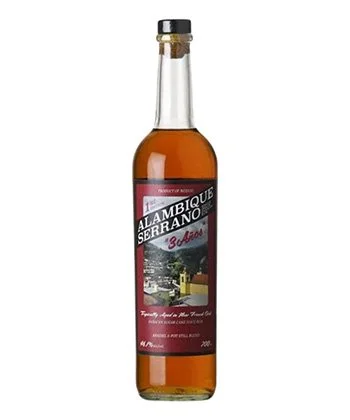
Distilled from Java varietal cane juice and aged just over three years in new French oak, this blend of pot and Krassel column distillates arrives at 46.1 percent ABV. The profile is distinctly spiced, with ginger, nutmeg, and raisin notes evoking winter desserts and holiday delights — a vivid reminder that Oaxacan spirits extend well beyond mezcal.

Average price: $64
Rating: 93

Papalin Jamaica 5 Year High Ester Rum
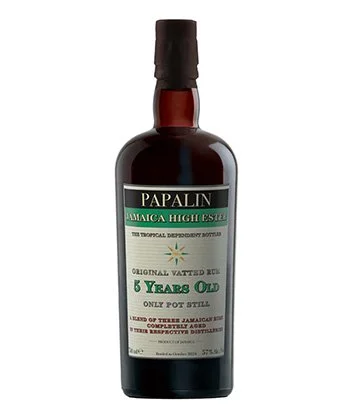
Blended from Worthy Park, Long Pond, and Hampden distillates, this 5-year-old Jamaican rum is pot-distilled, aged in ex-bourbon casks, and bottled at 57 percent ABV. Aromas of overripe fruit and warm spice lead the way, with pepper, banana skin, and assertive heat defining the palate. While not the most intense rum Jamaica has to offer, it’s a complex, lively pour and a great intro to high-ester rum.

Average price: $67
Rating: 93

Privateer Rum The Queen’s Share
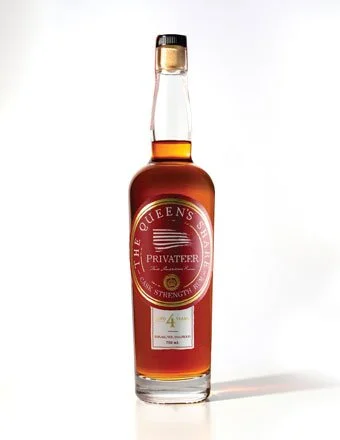
This Massachusetts rum revives the old Cognac tradition of collecting the “seconds” — the transitional cut between hearts and tails — and distilling everything a second time for added depth. Aged at least four years in a mix of new and used American oak, the barrels are then blended and re-casked for additional maturation. Bottled at cask strength, it delivers burnt sugar, coconut, and vanilla with remarkable balance. Approachable yet simultaneously complex, it stands as a benchmark American rum.

Average price: $70
Rating: 93

The Best Rums Over $100

Hampden Estate Pagos Jamaican Rum Batch 3
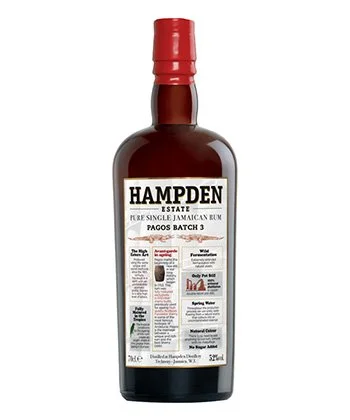
Aged entirely in former oloroso sherry casks from Bodegas Fundador, the third batch of Pagos builds on Hampden’s signature high-ester intensity with oxidative depth and dried fruit character. Bottled at 52 percent ABV, it delivers walnut, clove, and brandied cherry, alongside cocoa, honey, and citrus. The palate is nuanced, with savory depth meeting flashes of freshness.

Average price: $113
Rating: 94

Isautier Rhum Agricole 16 Year
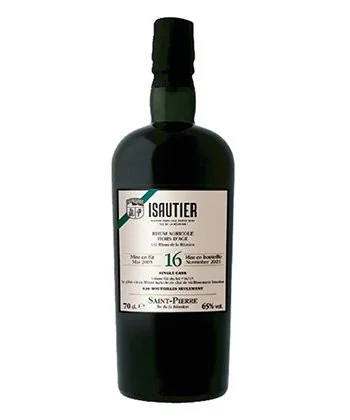
Distilled in 2006 and aged 16 years in tropical conditions, this Reunion release was bottled at 59 percent ABV with just 3,790 bottles produced. The profile is bold yet refined, opening with dried fruits, warm spice, and citrus zest, then following with caramelized sugar and herbal accents. A singular agricole, it underscores Reunion’s credentials as one of the world’s most compelling — and still underappreciated — rum regions.

Average price: $144
Rating: 94

https://vinepair.com/buy-this-booze/best-rums-2025/

Vinepair: The 30 Best Rums for 2024

Best of, La Maison & Velier, PM Spirits, Rhum, Rum, Vinepair, Privateer, La Maison Velier, Isautier, Hampden, Beenleigh, Papalin, ClarinNicolas Palazzi

As much as any other spirit, it’s safe to say there’s a style of rum for everyone. Nations across the globe have made it for centuries, with regions and producers offering different interpretations via distinct base ingredients — fresh cane juice, cane syrup, and molasses — as well as varied fermentation and distillation techniques.

Expressions arrive unaged and uncut; matured but with color later stripped away; or following decades in casks old and new. Some bottles are specifically produced for cocktails; others, owing to the price tags that accompany them, demand to be sipped, whether neat, on the rocks, or proofed down to the drinker’s preference. Then there are flavored or spiced releases, which accounted for over 50 percent of the rum sold in the U.S. in 2023.

With all due respect to the fictitious sailors that typically adorn such bottles, we did not consider flavored selections for our annual roundup of the best rums to drink right now. But we did dive deep into the diverse range of examples listed prior, tasting more than 120 bottles from over 20 nations across the globe.

Those samples were sent to VinePair (free of charge) by producers, importers, distributors, and PR firms. We tasted each one non-blind because we recognize that price plays one of the most important roles when you’re shopping at the liquor store or online, and should therefore be considered when evaluating a product.

The final list does not represent the 30 highest-scoring rums from the tasting, and instead aims to showcase the best offerings at every price point and across every interpretation of the category. We’re confident that the final selection offers a solid option for every occasion, budget, and palate. After all, there’s a style of rum for everyone.

The Best Rums Under $50

Transcontinental Rum Line High Seas

As the saying goes, “what one rum can’t do, three rums can.” Sure, you can craft your own blends, but why bother when the fine folks behind Transcontinental Rum have done it for you with this excellent mix of Panamanian, Jamaican, and Martinique distillates? Expressive and brimming with character, its savory, vegetal, slightly sweet profile offers a solid foundation for world-class cocktails.

The Best Rums Under $100

The Spirit of Haiti Clairin Vaval

Bottled at a precise 53.5 percent ABV, this Clairin is produced by Distillerie Arawaks, owned and operated by Fritz Vaval, whose family has been in the farm distillery business for close to 80 years. Fermented using ambient yeasts and distilled on a proprietary still, the nose of this spirit juxtaposes papaya and mango with salty umami aromas. The palate commits to more fruity and vegetal notes, with an enjoyably abrasive finish that speaks to the hands-on, traditional practices that led to its creation.

Privateer True American Bottled In Bond Rum

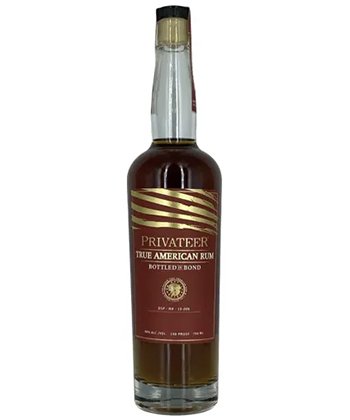
Magical things are happening in the rum realm up in Massachusetts, specifically at the premises of Ipswich-based Privateer Rum. Fusing American traditions with Caribbean-style spirits, this molasses-based bottled-in-bond release might seem initially shy on the nose, but that’s only a reflection of its refined, nuanced character. Where aromas of molasses, mocha, and caramel arrive softly, they explode on the palate, landing with a rich, borderline syrupy mouthfeel. Ideal for bourbon drinkers, this is a bona fide sipper.

Papalin 7 Years Old

A blend of two Jamaican pot still rums, this release features spirits distilled and aged at Worthy Park and Hampden Estate. The nose reveals classic Jamaican funk alongside hints of underripe stone fruit and grassy notes. The palate shifts to savory, umami character, with a Band-Aid note emerging on the finish that evokes a touch of peated Scotch. A complex rum that makes for a great sipping experience with or without ice, at 46 percent ABV, most drinkers won’t find the switch in temperature and dilution necessary, but it certainly isn’t unwelcome on a warm summer’s day.

Beenleigh Artisan Distillers 2013 Single Blended Rum

Beenleigh, Australia’s oldest operating distillery, was founded in 1884 in the sugar cane-rich northeastern state of Queensland. Those 140 or so years of experience have translated to a fruity and energetic spirit here, with oak and vanilla aromas raising the curtain, followed by more pronounced notes of tropical fruit and melon. At 10 years old, the palate is similarly lively, with ginger syrup and pomegranate molasses leading the charge. This is an elegant but easygoing sipper.

Hampden Estate HLCF Classic

A flagship expression from one of Jamaica’s most renowned producers, HLCF is shorthand for “Hampden Light Continental Flavoured.” Production features ambient yeasts, extended fermentation periods, 100 percent pot still distillation, and four years aging in tropical climates, which the brand notes is “equivalent” to 11 years in Europe. What does that translate to? Plenty of funk on the nose with added aromas of papaya, tart/savory tropical fruits, and molasses. A classically Jamaican profile on the palate, this rum certainly sips above its modest age statement.

The Best Rums Over $100

Isautier Traditional Rum 16 Year

Another stellar inclusion from the small island of Réunion, this rum was put into barrel in May 2006 and bottled in September 2022. Its producer, seven-generation family-run Maison Isautier, unusually makes both cane-juice- and molasses-based rums. This release falls into the latter camp, arriving at 57 percent ABV — not that you’d guess that from the nose or palate, though. Instead, aromas of dried stone fruits, vanilla, and used oak shine through, while the flavor profile leans mineral-rich, with accents of roasted coffee, dried licorice, and Dmerara syrup.

La Maison & Velier Flag Series 24 Year Old Guyana Rum 1998

La Maison & Velier’s “Flag Series” aims to showcase remarkable bottles from regions where extended aging periods are an option. Guyana rum aged for almost a quarter-century definitely fits that bill, and in this case, the lengthy maturation was only possible because the initially bourbon-barrel-aged spirit was transferred at 2 years old from its tropical home to Europe, where it was then transferred to Port casks. The profile of the final spirit is understandably dense and concentrated and we found that it benefitted from a few minutes to fully open up. At which point, a stunning array of tropical fruit (particularly pineapple husk), oaky sweetness (vanilla), and red berry compote emerge. The palate follows with cacao, salted caramel, and zesty citrus notes, as if to remind us that this fine sipping rum is still remarkably full of life and energy.

https://vinepair.com/buy-this-booze/best-rums-2024/

In Search of the Ultimate Freezer Martini

la Quintinye, martiniNicolas Palazzi
Screen Shot 2021-05-18 at 4.44.48 PM.png

We asked 10 of the world's best bartenders to submit their finest recipe for the pre-batched Martini—then blind-tasted them all to find the best of the best.

It’s been nearly a year since PUNCH conducted a new edition of the long-running “ultimate” blind-tasting series. In the age of COVID-19, such close gatherings of drink judges, sipping from successive versions of the same cocktail, all prepped by a guest bartender, were strictly a non-starter.

So, with COVID Nation still very much a thing, what drink could safely bring the series back to life? The prebatched, prechilled Martini, naturally. The prefab format of the classic—which was an established trend and served in many bars before the pandemic arrived—is perfectly suited to this new at-home era.

On a recent Monday, I was joined by PUNCH editors Talia Baiocchi and Chloe Frechette and bar owners Meaghan Dorman (Raines Law Room, Dear Irving) and St. John Frizell (Fort Defiance, Gage & Tollner) via Zoom to taste through 10 batched Martinis submitted by bartenders from the United States and England. The drinks had already arrived via contactless delivery. Judges were instructed to keep the mini-bottles in the freezer until tasting time.

Though batched cocktails can be controversial—many people are attached to the ritual of a bartender making their drink on the spot, particularly when it comes to the Martini—the panel convened with no prejudices. “We’re longtime fans of freezer Martinis,” said Frechette, who added that she thought batching was the way to prepare spirit-forward recipes during quarantine. Dorman agreed that premade drinks are an ideal fit for the current times, when most folks are entertaining at home for themselves and maybe a partner or roommate. “I think you should treat yourself right now and this is the way to do it,” she said.

This particular tasting brought to the table a few new variables that wouldn’t apply in a standard sampling of Martinis. Dilution had to be addressed anew. Since the cocktails are designed to simply be pulled from the freezer and poured, they weren’t receiving their dose of softening water through the usual spin in a mixing glass filled with ice. Instead, water was added directly to the batch and had to be precisely portioned out. Too much or too little could prove disastrous. One Martini in the running didn’t make the cut because the judges thought it too strong—i.e., lacked sufficient H2O. Another suffered from a surplus of added water, rendering it weak and, well, watery.

Temperature, too, was an important factor. Martinis are expected to be cold, naturally, but these freezer-born numbers were particularly icy—a consideration the bartenders had to factor in when choosing their ingredients and honing their ratios. “Martinis in this format dull the aroma and the alcohol comes forward,” explained Baiocchi.

That issue notwithstanding, the panel was surprised by the variety of character they encountered from one glass to the next. And, as would be expected in any sampling of signature Martinis, there were some odd flights of fancy. One recipe called for both sherry and peated Scotch; another included a hefty dose of absinthe. The judges didn’t necessarily dislike either drink; they simply didn’t read as Martinis.

Finding favor was a unique specimen submitted by Orlando Franklin McCray of Brooklyn’s Nightmoves, who put together high-proof, saffron-tinged Old Raj gin, La Quintinye Extra Dry vermouth and orange bitters. The judges liked the concentration of bold flavors but thought the recipe would have benefited from higher dilution.

With the vast changes in bar regulations brought on by COVID, Frizell said that he both hopes and expects to see more prebatched cocktails on the market when the pandemic recedes and bars fully reopen.

“My hat is off to the New York State Liquor Authority for the first time in my life, for freeing up the rules so quickly,” he said. “We’re able to do so many things now that we would have lost our license for before.”

For the time being, however, he’s doing what most every other cocktail lover has been doing for the past year: shaking up his own at home. “I’ve been drinking my own Martini almost every day,” said Frizell.

https://punchdrink.com/articles/ultimate-best-freezer-frozen-pre-batched-martini-recipe/

NEAL BODENHEIMER'S OLD HICKORY

vermouth, la Quintinye, recipeNicolas Palazzi

Mastering the Old Hickory With Neal Bodenheimer

The obscure vermouth classic gets retooled with an eye toward more flavor and less dilution.

The “raisinated vibe” and wormwood bitterness of La Quintinye Blanc forms one half of the 50/50 vermouth split.

The “raisinated vibe” and wormwood bitterness of La Quintinye Blanc forms one half of the 50/50 vermouth split.

If you’ve never heard of the Old Hickory, you’re not alone. A simple 50/50 mix of sweet and dry vermouths punched up with bitters, this low-proof classic has long existed in the shadow of the Bamboo and Adonis. Neal Bodenheimer wants to put it center stage.

Though he started workshopping the drink at his New Orleans bar Cure, he “really dug in,” as he describes the process, on the Old Hickory for Dauphine’s, a New Orleans–inspired bar and seafood restaurant slated to open this spring in Washington, D.C.. “It felt modern, and like things I wanted to drink,” he explains of the simple build. However, “it felt like a cocktail that never really got its due.”

Part of the New Orleans canon of cocktails, the Old Hickory first appeared in print in Stanley Clisby Arthur’s 1937 book, Famous New Orleans Drinks And How to Mix ’Em. Supposedly, “Old Hickory” was a nickname given to General (and later U.S. president) Andrew Jackson, a reference to his fortitude as he led troops through the Battle of New Orleans in the winter of 1814-15. Although Arthur writes that the drink was Jackson’s “favorite tipple,” Bodenheimer dismisses the claim: “I don’t think people were drinking vermouth in America in 1850.”

Though his vision for the Dauphine’s interpretation is a pre-batched version, Bodenheimer preserves elements of the cocktail-making ritual. The format coalesced at an event held at New York’s James Beard House in September 2019, intended as a preview for Dauphine’s. For the seated dinner with cocktail pairings, Bodenheimer sought out food-friendly pours, and the vermouth-forward Old Hickory seemed like a natural fit. Yet, stirred with ice, it felt too thin and watered-down. The solution was to pre-batch the vermouths and refrigerate the mixture until ready to serve. Bitters were stirred in at the last minute—“bitters expand in a batch over time, so I keep them out,” says Bodenheimer—and the mixture was then poured over a large ice cube and quickly served. The end result presented like a cocktail, but retained the texture of wine.

“We said, ‘What if we made it like an Old-Fashioned setup, and less like a vermouth cocktail?’” he recalls. “We always had our vermouth in the fridge anyway, so we always had a chilled vermouth bottle.”

https://punchdrink.com/articles/mastering-old-hickory-vermouth-cocktail-recipe-neal-bodenheimer-dauphines/