PM Spirits

Provider of Geeky Spirits

Financial Times,Remi Landier,Remi Landier,Remi Landier,Remi Landier

Financial Times: Make mine a Stinger… why cognac cocktails are trending

Armagnac, Brandy, Cognac, cognac, PM Spirits, Financial TimesNicolas Palazzi

Forget the Spicy Margarita – here’s what the mixologists will be ordering at the bar

The Spicy Margarita is everywhere – in plenty of bars I know it now accounts for half of all drinks sales. But what would we all be drinking if the bar world’s top tastemakers had their way? In my survey, brandy won by a landslide, with cognac, Armagnac and apple-based calvados all getting plenty of votes. “Cognac is the king of spirits, it’s got so much going on,” says Jake Burger, proprietor of Portobello Star in London’s Notting Hill. He recommends the 19th-century Cognac Cocktail – essentially an Old Fashioned made with brandy – “which is what we’d all be drinking today if phylloxera hadn’t wiped out all the French vineyards and turned America into a whiskey-drinking culture”. For a really authentic Cognac Cocktail, he says, use Sazerac de Forge & Fils cognac, which is modelled on pre-phylloxera recipes (£121, masterofmalt.com). Under the £80 mark he also likes Merlet XO, Fanny Fougerat Iris Poivré XO and Prunier VSOP. Armagnac comes highly recommended by Sipsmith co-founder and master distiller Jared Brown and Sebastian Tollius, beverage director of Eleven Madison Park’s new Clemente Bar. “It’s rustic, full of character and versatile,” says Tollius. He favours the small batch bottlings by French specialist PM Spirits (from $62.50, pmspirits.com). “Perfect [as a sub for whiskey] in classics like Manhattans or as a stand-in for cognac in a Vieux Carré.” Ennismore’s head of bars Robert Simpson makes the case for calvados, “which has flavours from crisp fresh fruit through to apple strudel”. Punch editor Talia Baiocchi agrees: “I love a simple calvados and tonic.”
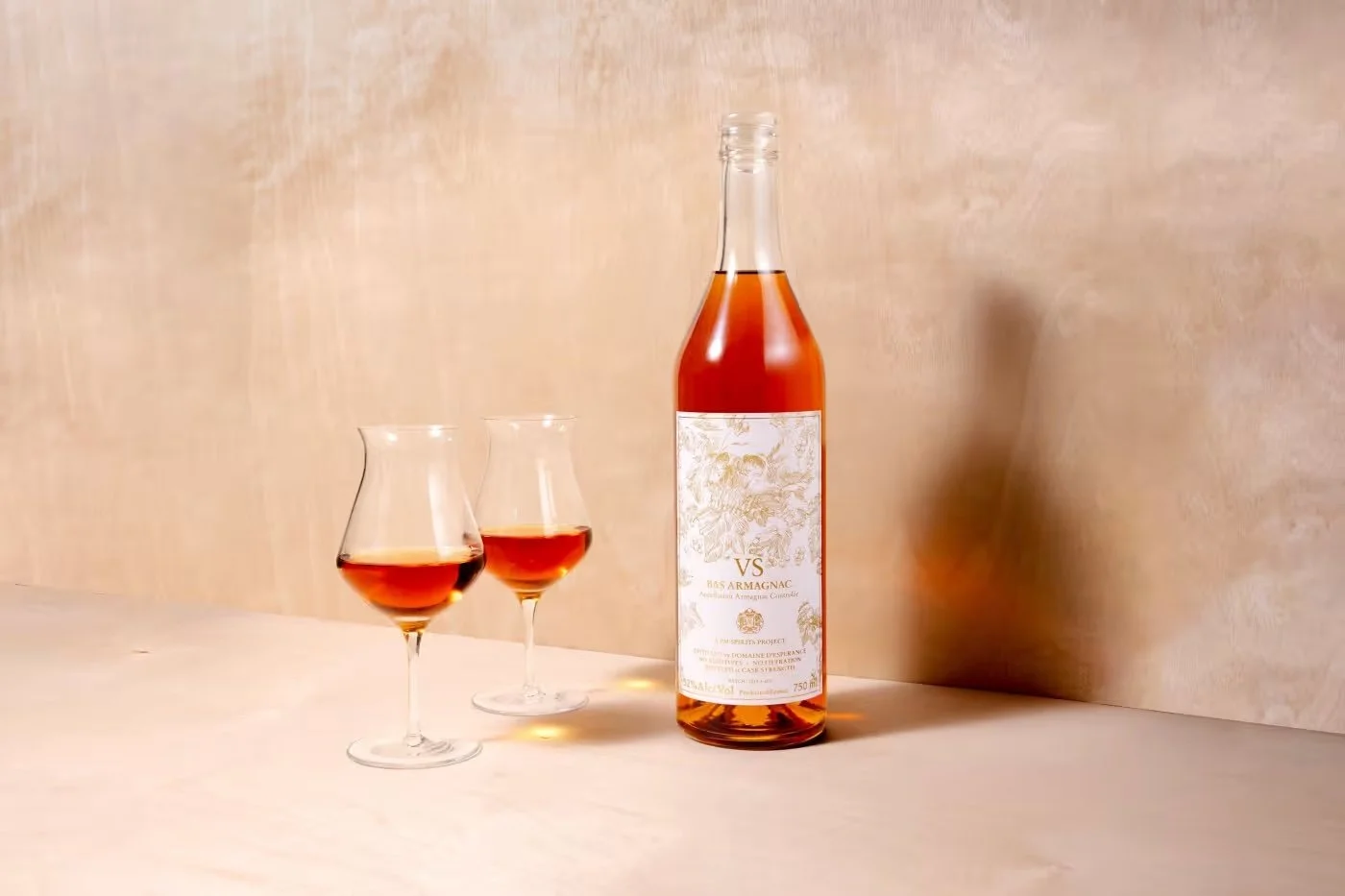
PM Spirits VS Overproof VS Bas Armagnac, $62.50 for 75cl, pmspirits.com

Liqueurs were another strong performer – and particularly crème de menthe. Which would have shocked me had I not, uncharacteristically, found myself ordering a Stinger in the Spy Bar at Raffles London just recently. This minty digestif sees cognac laced with white mint liqueur; it’s typically shaken and served “up” in a coupe or over crushed ice. Spy Bar makes its own After Eight-infused crème de menthe, but Tempus Fugit (£31.50 for 70cl, bbr.com) is also excellent. Another liqueur due a revival, according to drinks writer and co-owner of the Pacific Standard in Portland, Oregon, Jeffrey Morgenthaler, is the monastic nightcap Bénédictine DOM (£31.25, thewhiskyexchange.com) – he favours the “sweet, peppery, herbal French liqueur” in a rye whiskey-based La Louisiane cocktail. NoMad London’s Leo Robitschek, meanwhile, pleads the case for amaretto, particularly in a sour. If there’s a common theme in all of this, it’s the after-dinner drink. Perhaps 2025 will see the red-hot Margarita make way for something a bit more smouldering. 

Stinger

Some might find this old-school 3:1 formula a bit heavy on the crème de menthe. If in doubt, start with less and then work your way up.  60ml VSOP cognac or armagnac 20ml white crème de menthe (such as Tempus Fugit) Method: Shake with ice and then either strain into a cocktail glass, sans ice, or serve over crushed ice in a rocks glass. 

https://www.ft.com/content/a8fb1c8f-eeb2-4c4a-8c16-6fe4b6963b97
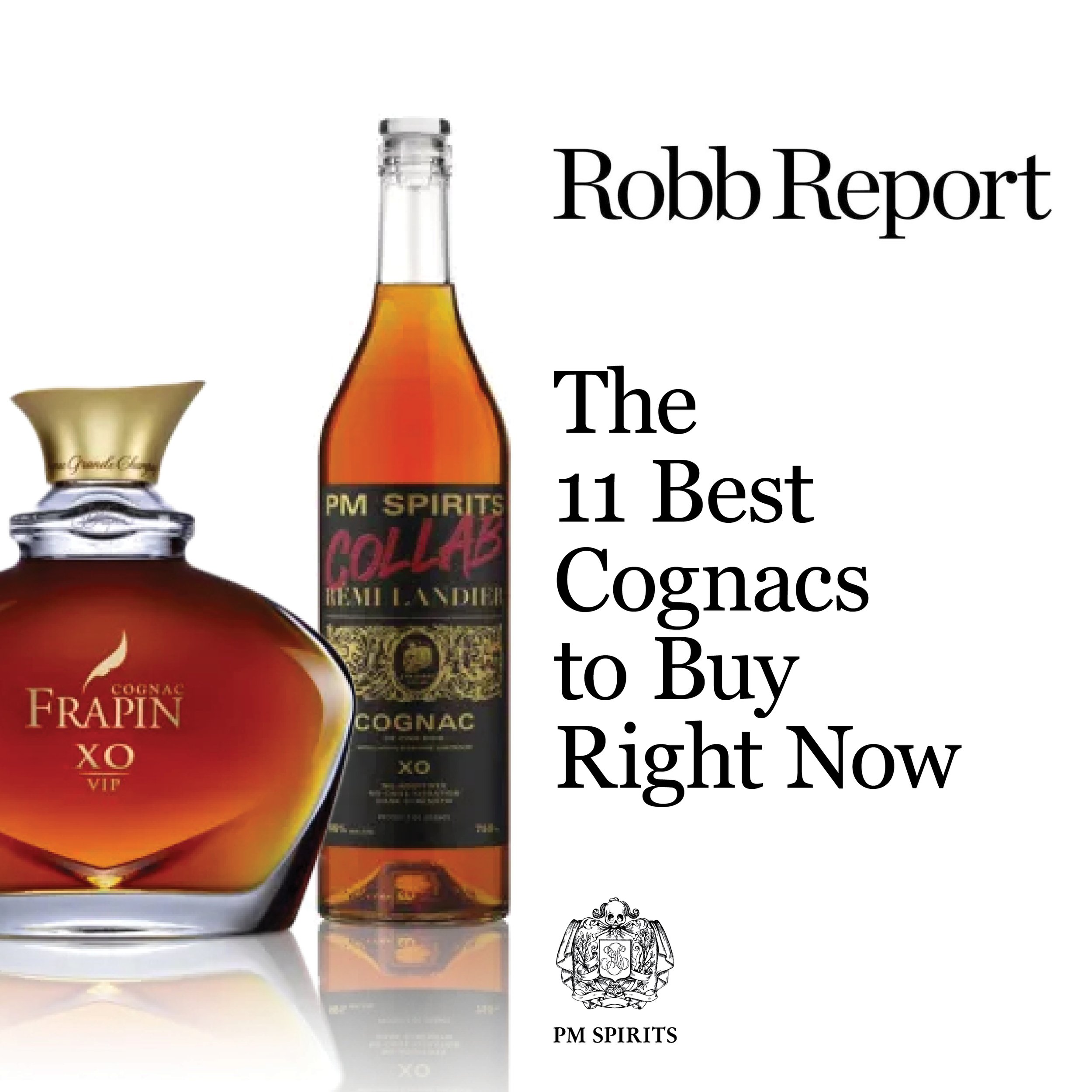
Robb Report: The 11 Best Cognacs to Buy Right Now

Best of, PM Spirits, Remi Landier, Cognac FrapinNicolas Palazzi

Cognac might not get as much attention as whiskey, particularly when it comes to bourbon or single malt scotch, but there’s a whole world of this French spirit to get familiar with and sample. There are a few rules to know—Cognac is a brandy made from grapes in the eponymous region or France that is aged in French oak barrels, either new or ones that have been used to age grape-based spirits. There are a few age designations to understand, from V.S. (at least two years old) to X.O. (minimum 10 years old). Cognac can be used to make a wide variety of cocktails, but is wonderful to sip on its own as well. We’ve put together a list of some of the best Cognacs in different categories to help you navigate this growing field, so happy hunting and santé.

Our Best Cognac Picks

Best X.O.

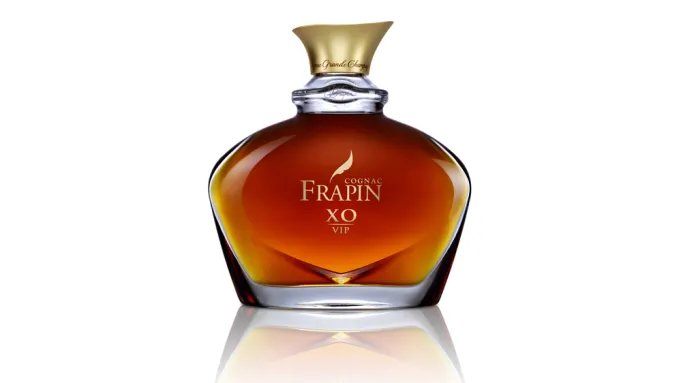
Frapin X.O. VIP

X.O. (“extra old”) is the next level of age in Cognac, a designation that means the eau-de-vie has been matured for a minimum of 10 years. X.O. is prime sipping Cognac, and one of the best in this category comes from Cognac Frapin. This is a single estate expression made from grapes grown in the Grande Champagne cru, and the eau-de-vie is aged in the humid cellars onsite. This is a thoroughly sophisticated sipper, with notes of caramel, chocolate, and dried fruit on the palate.


Best Single Cask

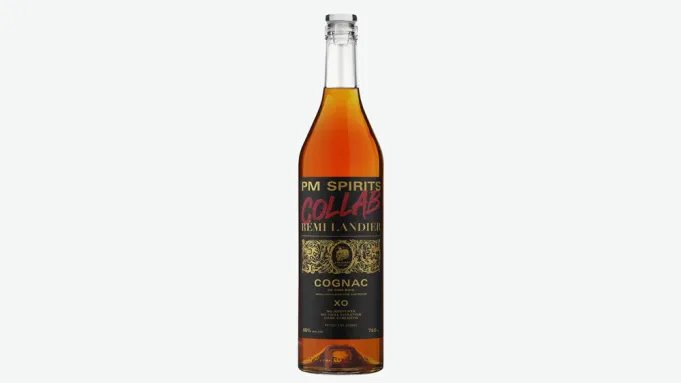
PM Spirits Rémi Landier XO Single Cask Collab

PM Spirits sources a wide array of spirits from different producers in various countries in all spirits categories. This Cognac is a small release that is worth tracking down, and it’s notable for being a single cask release as opposed to a blend of barrels. The producer is Remi Landier, a small family business that has been around since the 1970s. This particular Cognac was distilled in 1997, and is a blend of eau-de-vie from Fin Bois and Petite Champagne. If you’re looking to really expand your knowledge and palate in the world of Cognac, give this bottle a try.

https://robbreport.com/food-drink/spirits/best-cognac-brands-1235451298/

Barrel Hunting in Cognac: Unearthing Hidden Treasures in Dusty Old Cellars

cognac, Cognac, PM Spirits, Cognac Frapin, L'Encantada, Remi LandierNicolas Palazzi

There’s a popular vision of Cognac that’s all blinged out and dripping: crystal decanters, tasting rooms that look like jewelry stores and five-figure bottlings. This image is dominated by a handful of huge brands everyone recognizes: Hennessy, Martell, Rémy Martin and Courvoisier—the so-called Big Four, which sell nearly 90% of the Cognac consumed worldwide, according to the International Wines and Spirits Record. But there is another side of Cognac, too. One that’s based more on the gritty agricultural reality of the region.

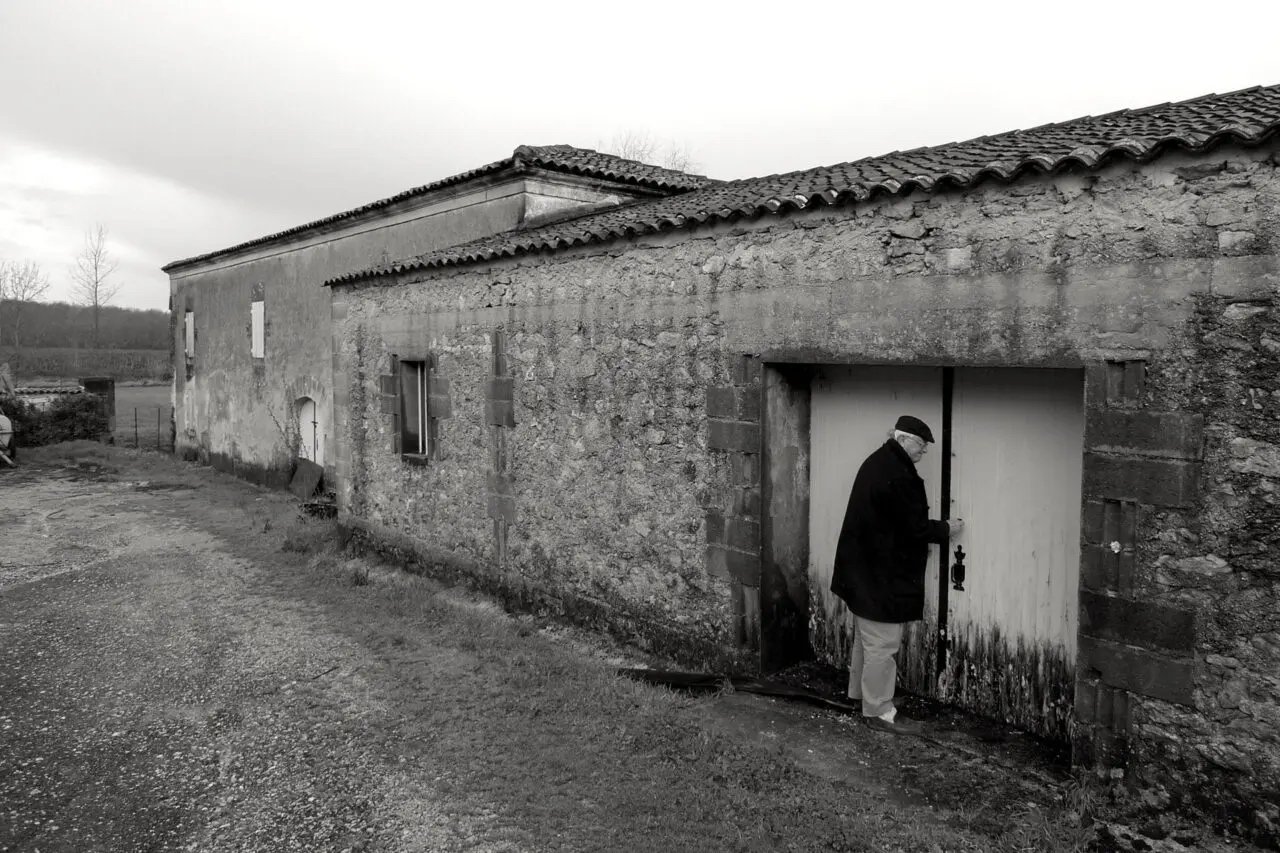
I saw it on a cold, gray day last winter at an unassuming farm in the small village of Verrières. This was probably the last place I’d expect to find pricey Cognac, but I was on a barrel hunt with Guilhem Grosperrin, among the new wave of négociants whose limited-edition releases are quickly becoming the most coveted bottles in Cognac. We visited one of the 150 small producers in his network, where Grosperrin crawls around old cellars looking for rare brandies.

When we arrived at the farm, four barking dogs rushed out to us, followed by a ruddy-faced septuagenarian who was still dressed from his boar hunt earlier in the day. Cognac is a secretive, rivalrous place and I was introduced to the man in hunting attire as only Marcel, no last name. Marcel eyed me suspiciously, then asked, “Well, does he like to drink?” Grosperrin chuckled and told Marcel that, yes, I liked to drink very much. With the ice broken, we stepped into his dark, dusty cellar to taste from his barrels, which had been aging since as early as the 1980s. “Sorry it’s dirty in here. I haven’t distilled since 2012,” Marcel said.

The nonstop luxury messaging from the Big Four makes people forget Cognac’s origin as wine. We sipped liquid from Marcel’s barrels that had begun as grapes in the family’s 10-hectare vineyard, which he picked, pressed, fermented and distilled. It’s a similar story for the roughly 4,300 winegrowers in Cognac, most of whom grow less than 20 hectares specifically for Cognac production. During his career, Marcel sold most of his stock to one Big Four house or another. But he always saved a few special barrels for himself. “What they keep is for pleasure, or patrimony, or as souvenirs, or for reasons that are not necessarily logical,” Grosperrin told me.

By age eight, Marcel was able to light the still, which he did in the morning while his father tended to the cows. Marcel remembers a wealthy neighbor who’d been a prisoner of war in Germany during World War II. That man wrote to his family from prison: “Cut down all the trees if you have to, but don’t stop distilling. Distill, distill, distill.” After the war, this guy’s cellar was full, and he became rich. Meanwhile, Marcel’s family had to rebuild its stocks. “The value of money is just in your head,” he said. “But the value of Cognac is solid, and you don’t lose it.”

To whiskey drinkers, single-cask offerings may seem like old hat. But it’s a relatively new phenomenon in brandy. Cognac is actually following a model that’s already been successful for Armagnac. Single-barrel Armagnac from négociants like L’Encantada are catching the fancy of American whiskey connoisseurs tired of paying whiskey prices. The problem in Armagnac is that the existing stock of barrels is small and shrinking.

That offers an opportunity for Cognac, where there is seemingly endless stock. Though, as Grosperrin points out, “It’s much more complicated to buy a cask here than in Armagnac. In Cognac, the producers are richer, and they don’t need small independent bottlers. They have contracts with the big houses.”

It’s still the early stages for the single-barrel Cognac revolution, and we’re just beginning to see these bottles in the U.S. La Maison du Whiskey’s “Through the Grapevine” series was one of the first to appear. PM Spirits has done several limited-edition bottlings, and this year has released rare single-cask offerings from renowned producers Frapin and Remi Landier. Last spring, Grosperrin released bottlings in the U.S. for the first time in several years. Importer Heavenly Spirits has released two single-barrel bottlings from the famed estate Jean Fillioux. Vallein-Tercinier and Jean-Luc Pasquet have plans to bring more of their single-cask offerings into the States.

To be clear, at the moment, single-barrel Cognac is still the domain of aficionados, with prices running more than $200 per bottle. But they’re still a fraction of something like Rémy Martin Louis XIII or Hennessy Paradis Imperial (both more than $3,000). Much of the price of those blingy brand names is wrapped up in specially designed decanters. The new wave of single-barrel offerings is something rarer and scarcer. “This is for people who want the unexpected. It’s a different philosophy. It’s outside of the current market,” said Vingtier.

https://www.wineenthusiast.com/culture/cognac-barrel-hunting/