PM Spirits

Provider of Geeky Spirits

Remi Landier,Venenosa,Venenosa,Venenosa,Venenosa,Venenosa

Vinepair: Puntas — a High-ABV, Hyper-Traditional Style of Mezcal — Is Going Commercial

agave, Cinco Sentidos, Vinepair, VenenosaNicolas Palazzi

It was at the end of a tasting at Eli’s Mezcal Room, an underground mezcal tasting experience located in a local man’s New York apartment, when host “Eli” (not his real name) pulled out one final bottle he thought might interest me: an unlabeled plastic water bottle he had suitcased back from Mexico. It was extraordinarily aromatic and I could smell its vegetal, medicinal notes the second the Poland Spring’s lid was unscrewed. It likewise had a rich, intense, burning flavor — no surprise as it was nearly 70 percent ABV.

When alcohol comes off a still, the distiller cuts it into three parts, each descending in alcohol content, and generally referred to as the heads, the heart, and the tails. The most toxic elements, like methanol, are concentrated in the heads and tails, meaning many distillers across all spirits categories only bottle the hearts to be safe.

But this special mezcal Eli had served me was actually composed of all heads, which, besides methanol, also possess some incredibly aromatic, flavorful compounds like propanol, ethyl lactate, acetic acid, and furfural.

Though formerly the (strictly non-exported) handiwork of hyper-traditional mezcal, of late, puntas offerings are becoming increasingly commercialized and the category has even infiltrated the tequila world.

Puntas on the Palenque

Until recently, most Americans who would have tried puntas (the Spanish word for points, a synonym for heads) probably did so in a similar way to what I did. There aren’t really any commercial examples of it and, quite frankly, bottlings like the one I tasted might not even be legally allowed to be sold in this country for a variety of reasons.

“It’s definitely much more common to find it at the palenque (mezcal distillery),” says Noah Arenstein, who runs the mezcal program at The Cabinet in New York’s East Village. “Because either it’s being used to blend back into the final mezcal and adjust the ABV and flavor … or they’re saving it to drink for themselves.”

If The Cabinet has one of the world’s largest mezcal collections, the bar only has a few commercial examples of puntas. Indeed, Mezcal Reviews, an online database with over 1,800 mezcals listed, has only cataloged 11 puntas bottlings over the years.

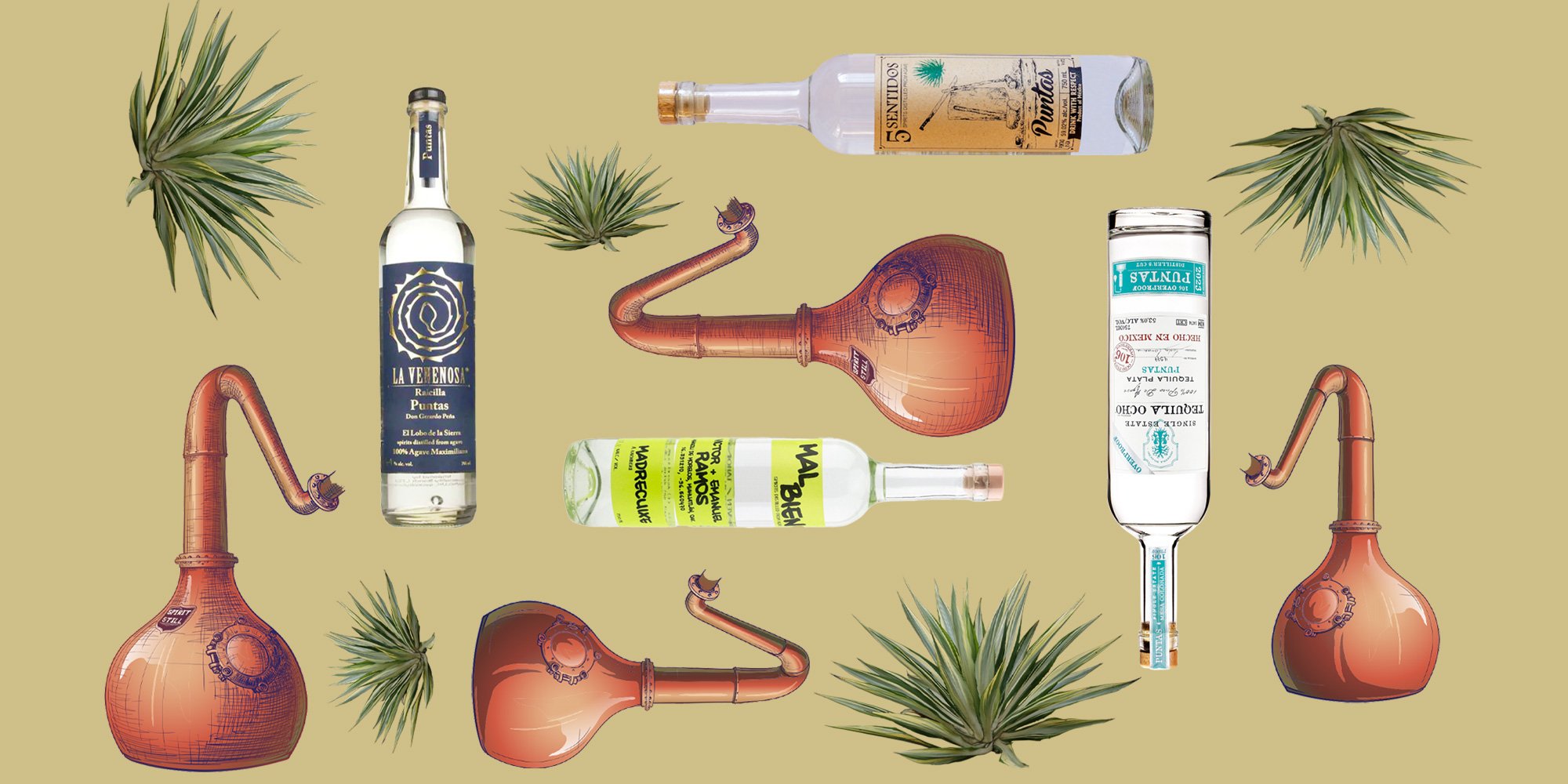
La Venenosa, raicilla Puntas

La Venenosa Racilla Puntas is the first example Arenstein recalls seeing on shelves, circa 2016. (While also agave-based, raicilla is not the same as mezcal or tequila.) Cinco Sentidos shipped its first batch of Puntas de Espadín to the U.S. market in 2021. Two years earlier, Mal Bien had started offering Madrecuixe Puntas, which the producer called “the platonic ideal that we imagine spirits to be. Agave, boiled down to its very essence, the plant stripped of everything but its soul.”

“This was always something we would produce at the distillery, ever since we started producing in 2007.”

Cinco Sentidos espadín Puntas

Arenstein finds all the puntas releases have a unique, specific taste. “You get almost a hand sanitizer note,” he says. “You put it on your hand and it evaporates like, you know, a hand sanitizer without lotion would. It has a lightness and kind of effervescence to it.”

If that doesn’t sound too appealing, there’s the somewhat taboo aspect of drinking puntas to consider. Haven’t we long been told that heads are solvent-y in taste and dangerous to drink — not only high in ABV but high in methanol content. And can’t that make you go blind?!

“If I’m pouring puntas for someone I will sometimes preface it with that,” Arenstein says. While a well-cut puntas is certainly safe to drink in small portions, Arenstein admits he has definitely encountered mezcaleros (distillers) with a cloudy-eyed look that has made him wonder, if not concerned.

The Distiller’s Cut

Admittedly, any concerns Arenstein has are not enough to stop him from drinking delicious examples of the style as more and more expressions hit the market. And it’s not just mezcal (and raicilla) producers now sending puntas expressions stateside.

“I think distillation can get really complicated and geeky to the average person,” Estes says, “so we wanted to help people understand what makes this different and unique and special.”

The first release, produced from agave from the La Ladera estate, and distilled at La Alteña, which has been the Camarena family’s distillery since 1937, was cut at 64 percent ABV, though diluted with water to 101 proof. (While a traditional mezcal puntas would never be diluted, tequila can’t legally be bottled in America at higher than 110 proof or 55 percent ABV.)

It quickly became a cult hit, well reviewed on sites like Tequila Matchmaker where it currently scores a crowd-sourced average of 90 among the site’s community. It was also most mainstream tequila drinkers’ first introduction to the old mezcal term puntas. (In Jalisco, distillers use the more literal translation for heads: cabezas.)

“There’s bad borrowing that’s happening from the mezcal world and there’s some good borrowing. And in a way this feels like a good borrowing,” Arenstein says, referring to Ocho’s use of the term. (Estes is quick to note that Camarena’s great-grandfather was making what was known as “vino de mezcal” well before tequila was even a term or category.)

https://vinepair.com/articles/puntas-traditional-mezcal-on-the-rise/
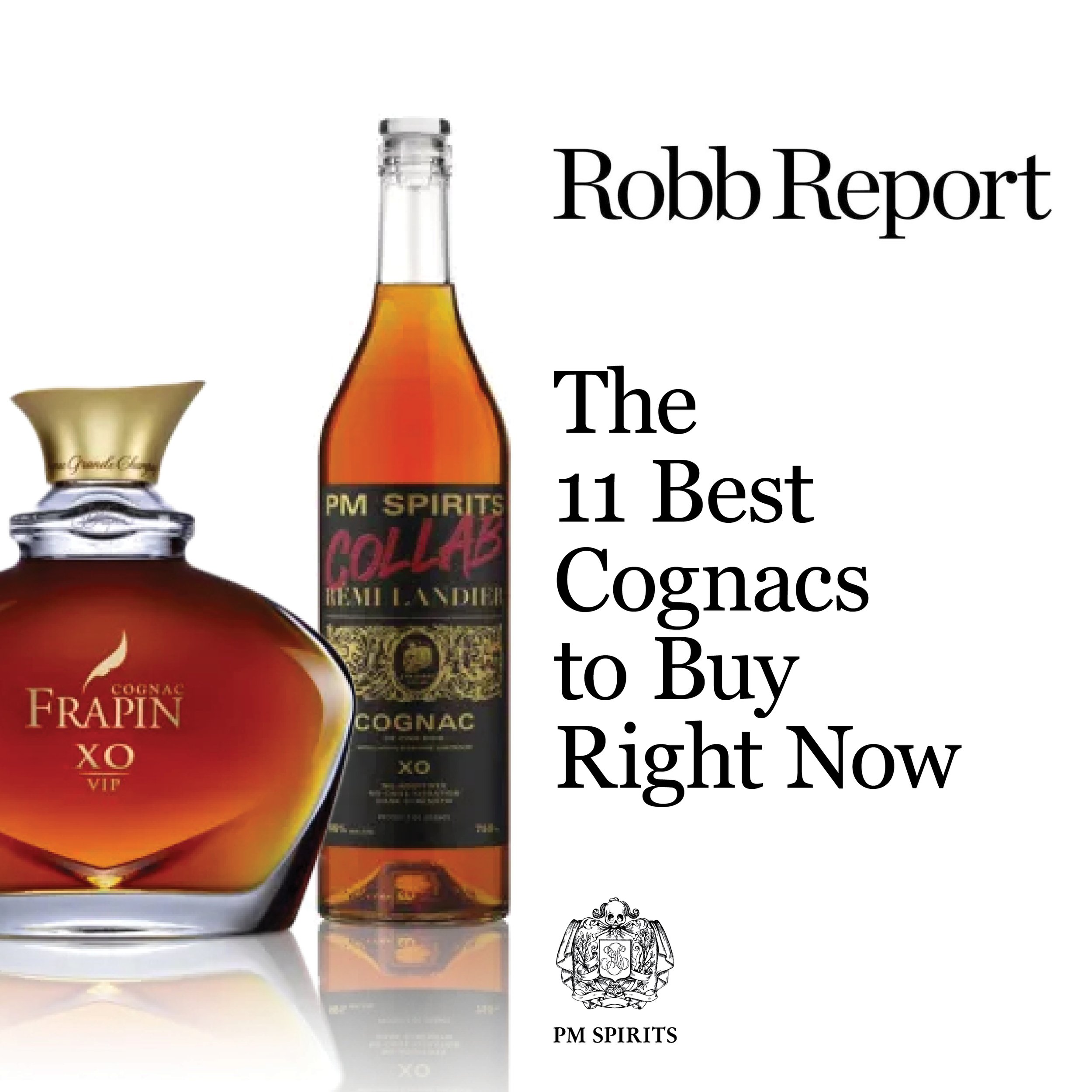
Robb Report: The 11 Best Cognacs to Buy Right Now

Best of, PM Spirits, Remi Landier, Cognac FrapinNicolas Palazzi

Cognac might not get as much attention as whiskey, particularly when it comes to bourbon or single malt scotch, but there’s a whole world of this French spirit to get familiar with and sample. There are a few rules to know—Cognac is a brandy made from grapes in the eponymous region or France that is aged in French oak barrels, either new or ones that have been used to age grape-based spirits. There are a few age designations to understand, from V.S. (at least two years old) to X.O. (minimum 10 years old). Cognac can be used to make a wide variety of cocktails, but is wonderful to sip on its own as well. We’ve put together a list of some of the best Cognacs in different categories to help you navigate this growing field, so happy hunting and santé.

Our Best Cognac Picks

Best X.O.

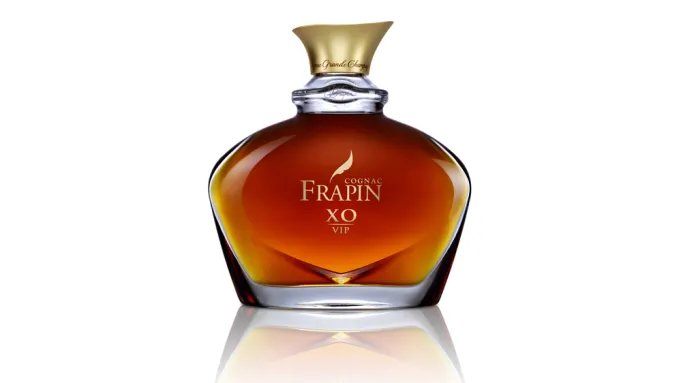
Frapin X.O. VIP

X.O. (“extra old”) is the next level of age in Cognac, a designation that means the eau-de-vie has been matured for a minimum of 10 years. X.O. is prime sipping Cognac, and one of the best in this category comes from Cognac Frapin. This is a single estate expression made from grapes grown in the Grande Champagne cru, and the eau-de-vie is aged in the humid cellars onsite. This is a thoroughly sophisticated sipper, with notes of caramel, chocolate, and dried fruit on the palate.


Best Single Cask

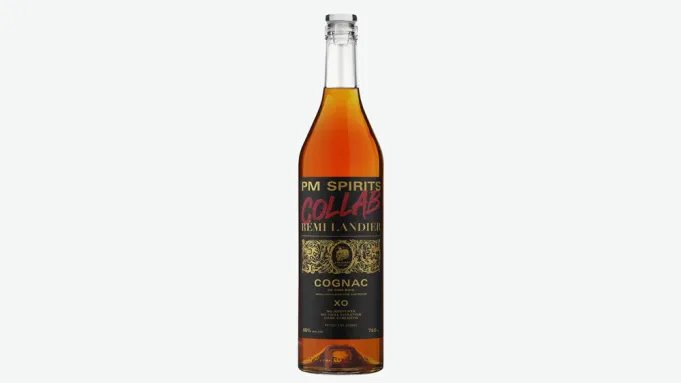
PM Spirits Rémi Landier XO Single Cask Collab

PM Spirits sources a wide array of spirits from different producers in various countries in all spirits categories. This Cognac is a small release that is worth tracking down, and it’s notable for being a single cask release as opposed to a blend of barrels. The producer is Remi Landier, a small family business that has been around since the 1970s. This particular Cognac was distilled in 1997, and is a blend of eau-de-vie from Fin Bois and Petite Champagne. If you’re looking to really expand your knowledge and palate in the world of Cognac, give this bottle a try.

https://robbreport.com/food-drink/spirits/best-cognac-brands-1235451298/

Barrel Hunting in Cognac: Unearthing Hidden Treasures in Dusty Old Cellars

cognac, Cognac, PM Spirits, Cognac Frapin, L'Encantada, Remi LandierNicolas Palazzi

There’s a popular vision of Cognac that’s all blinged out and dripping: crystal decanters, tasting rooms that look like jewelry stores and five-figure bottlings. This image is dominated by a handful of huge brands everyone recognizes: Hennessy, Martell, Rémy Martin and Courvoisier—the so-called Big Four, which sell nearly 90% of the Cognac consumed worldwide, according to the International Wines and Spirits Record. But there is another side of Cognac, too. One that’s based more on the gritty agricultural reality of the region.

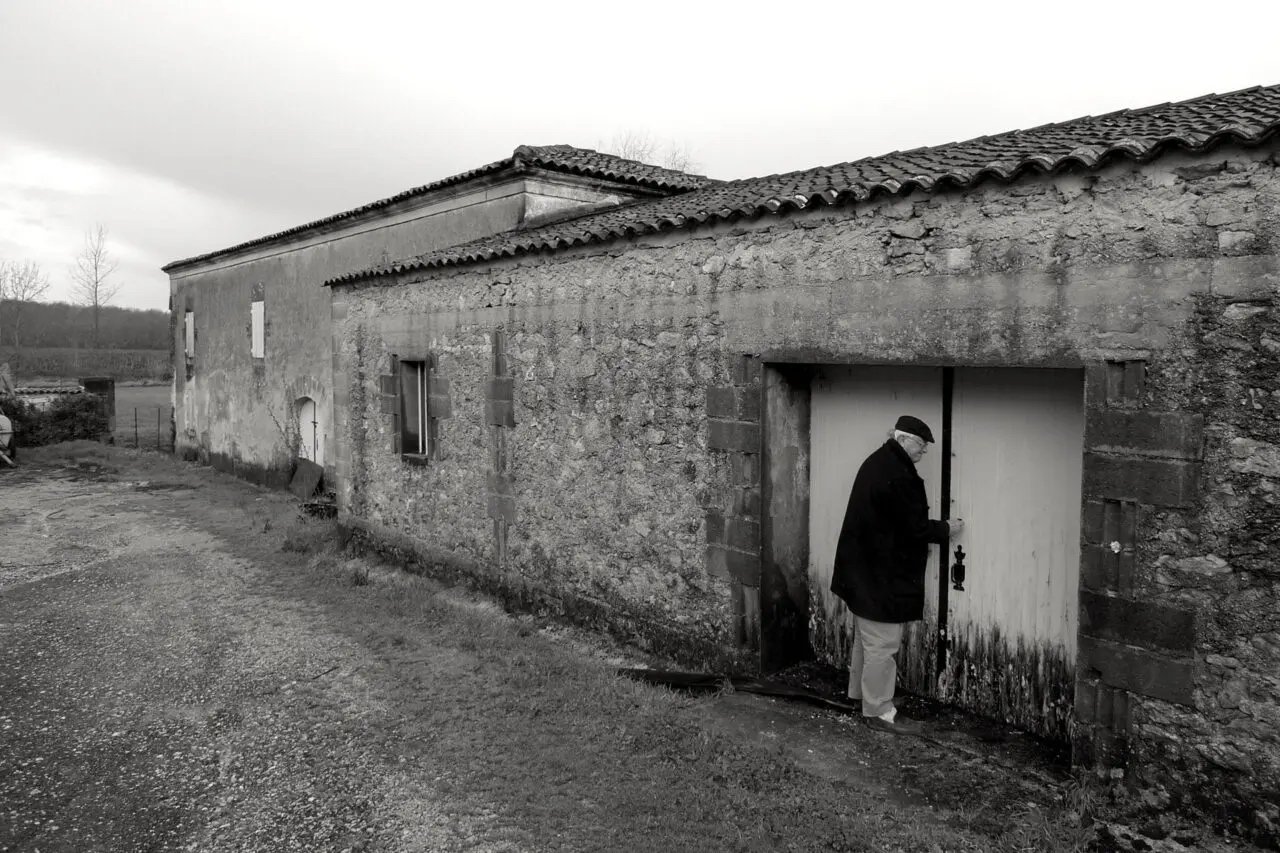
I saw it on a cold, gray day last winter at an unassuming farm in the small village of Verrières. This was probably the last place I’d expect to find pricey Cognac, but I was on a barrel hunt with Guilhem Grosperrin, among the new wave of négociants whose limited-edition releases are quickly becoming the most coveted bottles in Cognac. We visited one of the 150 small producers in his network, where Grosperrin crawls around old cellars looking for rare brandies.

When we arrived at the farm, four barking dogs rushed out to us, followed by a ruddy-faced septuagenarian who was still dressed from his boar hunt earlier in the day. Cognac is a secretive, rivalrous place and I was introduced to the man in hunting attire as only Marcel, no last name. Marcel eyed me suspiciously, then asked, “Well, does he like to drink?” Grosperrin chuckled and told Marcel that, yes, I liked to drink very much. With the ice broken, we stepped into his dark, dusty cellar to taste from his barrels, which had been aging since as early as the 1980s. “Sorry it’s dirty in here. I haven’t distilled since 2012,” Marcel said.

The nonstop luxury messaging from the Big Four makes people forget Cognac’s origin as wine. We sipped liquid from Marcel’s barrels that had begun as grapes in the family’s 10-hectare vineyard, which he picked, pressed, fermented and distilled. It’s a similar story for the roughly 4,300 winegrowers in Cognac, most of whom grow less than 20 hectares specifically for Cognac production. During his career, Marcel sold most of his stock to one Big Four house or another. But he always saved a few special barrels for himself. “What they keep is for pleasure, or patrimony, or as souvenirs, or for reasons that are not necessarily logical,” Grosperrin told me.

By age eight, Marcel was able to light the still, which he did in the morning while his father tended to the cows. Marcel remembers a wealthy neighbor who’d been a prisoner of war in Germany during World War II. That man wrote to his family from prison: “Cut down all the trees if you have to, but don’t stop distilling. Distill, distill, distill.” After the war, this guy’s cellar was full, and he became rich. Meanwhile, Marcel’s family had to rebuild its stocks. “The value of money is just in your head,” he said. “But the value of Cognac is solid, and you don’t lose it.”

To whiskey drinkers, single-cask offerings may seem like old hat. But it’s a relatively new phenomenon in brandy. Cognac is actually following a model that’s already been successful for Armagnac. Single-barrel Armagnac from négociants like L’Encantada are catching the fancy of American whiskey connoisseurs tired of paying whiskey prices. The problem in Armagnac is that the existing stock of barrels is small and shrinking.

That offers an opportunity for Cognac, where there is seemingly endless stock. Though, as Grosperrin points out, “It’s much more complicated to buy a cask here than in Armagnac. In Cognac, the producers are richer, and they don’t need small independent bottlers. They have contracts with the big houses.”

It’s still the early stages for the single-barrel Cognac revolution, and we’re just beginning to see these bottles in the U.S. La Maison du Whiskey’s “Through the Grapevine” series was one of the first to appear. PM Spirits has done several limited-edition bottlings, and this year has released rare single-cask offerings from renowned producers Frapin and Remi Landier. Last spring, Grosperrin released bottlings in the U.S. for the first time in several years. Importer Heavenly Spirits has released two single-barrel bottlings from the famed estate Jean Fillioux. Vallein-Tercinier and Jean-Luc Pasquet have plans to bring more of their single-cask offerings into the States.

To be clear, at the moment, single-barrel Cognac is still the domain of aficionados, with prices running more than $200 per bottle. But they’re still a fraction of something like Rémy Martin Louis XIII or Hennessy Paradis Imperial (both more than $3,000). Much of the price of those blingy brand names is wrapped up in specially designed decanters. The new wave of single-barrel offerings is something rarer and scarcer. “This is for people who want the unexpected. It’s a different philosophy. It’s outside of the current market,” said Vingtier.

https://www.wineenthusiast.com/culture/cognac-barrel-hunting/