PM Spirits

Provider of Geeky Spirits

martini,sherry

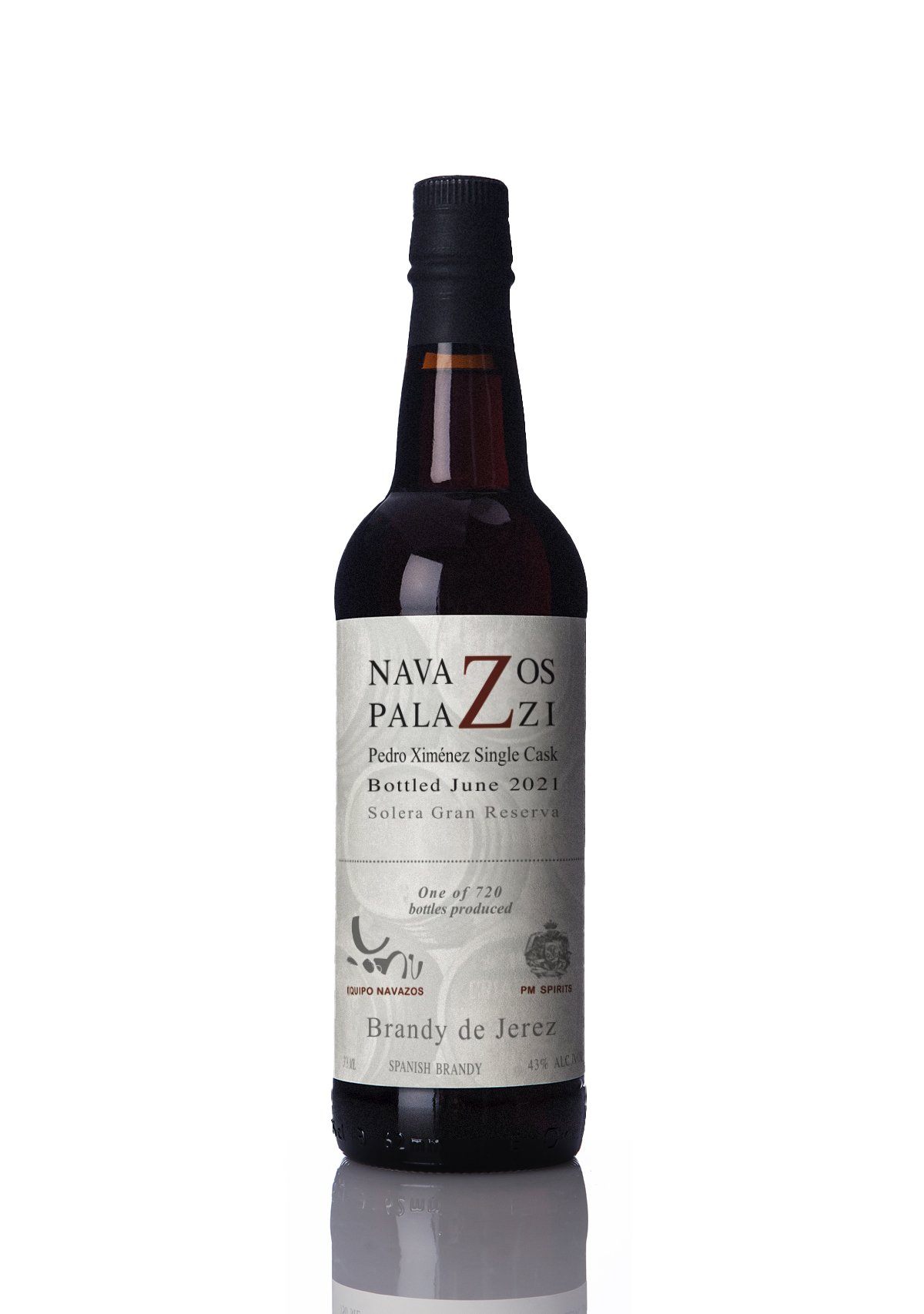
94 POINTS Navazos Palazzi Pedro Ximenez Single Cask Brandy

Best of, sherry, Brandy, Navazos PalazziNicolas Palazzi

This is a brandy de Jerez aged in oloroso casks, then finished three years in very old sweet Pedro Ximenez casks. The end result is an extraordinarily complex sipper that almost reads like a cocktail. The deep brown hue and bold dried fig aromas signal richness. While the first sips mingle toffee, maple, dried fruit, the finish is surprisingly dry and brisk, showing walnut skin, a hint of grapefruit peel, and cinnamon and cayenne glow. Bottled at cask strength, plan to add water or ice to mellow the appropriately fiery edge. Limited edition: 720 bottles produced. - KARA NEWMAN 

https://www.winemag.com/buying-guide/navazos-palazzi-pedro-ximenez-single-cask-brandy/

The Ultimate Guide to Aperitifs

Best of, Eater, vermouth, sherry, PM Spirits, Nicolas PalazziNicolas Palazzi

From bittersweet to botanical, there’s an appetite-stimulating aperitif out there for everyone in this growing category

by Tyler Zielinski Mar 10, 2022, 10:04am ESTPhotography by Michelle Min

HumansHumans are creatures of habit, and that’s especially true when it comes to our drinking rituals. We drink coffee for its ability to wake us up, herbal tea for relaxation, and wine to pair with food. But to stimulate the appetite before a meal, there’s one drink category most Americans tend to forget about: the aperitif.

The aperitif — a word derived from the Latin verb “aperire,” meaning “to open” — is a category of low-ABV beverages defined by when they’re consumed rather than how they’re produced. An aperitif can be a liqueur, fortified or aromatized wine (e.g., sherry or vermouth, respectively), or an aperitivo bitter (e.g., Aperol or Campari), making the category diverse and approachable for both bon vivants and novice drinks alike.

While the mindful and ritualistic consumption of aperitifs is slowly catching on in the U.S., in Europe, especially Italy, France, and Spain, aperitifs have been at the center of late afternoon and evening drinking rituals for decades — and, in some cases, centuries.

In Italy, aperitifs are consumed during the pre-dinner aperitivo hour — a time when family and friends gather to enjoy low-ABV tipples along with small bites (cicchetti, in Italian) to unwind from the day. In France, they practice apéro (short for apéritif) with French tipples such as pastis and Pineau des Charentes. And in Spain, sherries and vermut (vermouth) whet the appetite during “el aperitivo,” with new vermuterias, or vermouth bars, experiencing a renaissance among millennial drinkers.

Although a culturally ingrained drinking occasion such as aperitivo hour has not yet gained a permanent foothold in the U.S., interest in low/no-ABV drinks is expanding. The segment grew by 30 percent in 2020, and became a nearly $10 billion industry in 2021. As a result, the Aperol spritz has become as ubiquitous as the vodka soda in most major cities around the country; new sober bars and bars that strictly serve low-ABV aperitif-style cocktails are popping up; and a new wave of aperitifs is flooding the market at an unprecedented pace.

To kickstart your personal aperitivo hour practice, I’ve scoured the world of aperitifs to put together a list of some of the hottest bottlings from both domestic and international producers, broken down by flavor characteristics. Whether you’re a hardcore spritzer looking for an alternative to Aperol, a G&T lover open to trying a low-ABV botanical spirit to replace the gin, or a bon vivant who is just looking for the next hot low-ABV product, there’s a must-try aperitif for everyone.

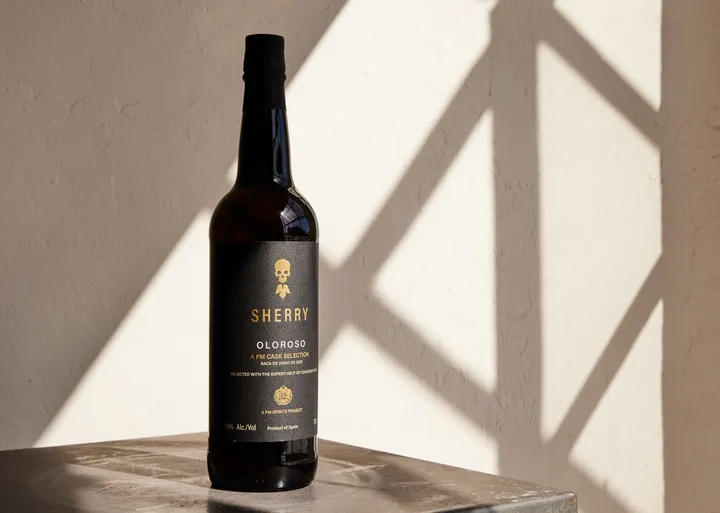
PM Spirits Oloroso Sherry 2021

PM Spirits is one of the most exciting U.S. importers and distributors of geeky spirits. The brand’s Project Sherries came to be after Nicolas Palazzi, owner of PM Spirits, and Eduardo Ojeda, co-owner of cult sherry bottlers Equipo Navazos and senior advisor to famed sherry producer Grupo Estévez, collaborated to release some of the finest sherries that Jerez has to offer.

The Oloroso sherry is aged for an average of 19 years, and is full-bodied and structured with notes of toasted hazelnuts, sesame seeds and walnuts, brown butter, leather, toffee, candied orange peel, and cinnamon. The flavor profile is balanced with a delicate acidity and salinity that makes it perfect for contemplative sipping. While it would also shine in a simple sherry cocktail such as a highball or Sherry Cobbler, at its price point, you’ll want to be sure your bartending skills are quite sharp.

Tximista Vermouth

As far as vermouths go, the Basque-produced Tximista is truly one of a kind. It’s the world’s first and only vermouth made with 100 percent Getariako Txakolina wine from sustainably farmed hondarrabi zuri grapes. The brand has two styles, rojo and blanco, both aromatized with local herbs, roots, and botanicals. The high-acid, mineral-driven Txakoli base makes these vermouths incredibly drinkable while also standing up beautifully in a vermouth and tonic or martini. The product made its debut in Spain in 2018, and it’s currently only available in New York, California, and Florida, with more states being added for distribution in the near future.

https://www.eater.com/22967137/guide-to-buying-aperitifs-liqueurs-bitters-fortified-wine

Wine & Spirits Magazine 90 Points, PM Spirits - Palo Cortado

sherry, PM Spirits, Best ofNicolas Palazzi

90pts | PM Spirits

Jerez-Xérès-Sherry Palo Cortado Saca de Junio de 2021

Nicolas Palazzi and the team at PM Spirits worked with Eduardo Ojeda– chief winemaker at Valdespino and a co-owner of Equipo Navazos—to blend their own propriety brand of Sherries. This one is a selection from several criaderas, the wines an average age of 15 years. It still holds a brisk, salty memory of its time as a Fino, even as the flavors broaden out into saturated richness of barrel age. Serve it with bolitas de bacalao.

—J.G.   PM Spirits, Wilmington, DE

https://www.wineandspiritsmagazine.com/

Sherry’s Indie Moment

sherry, Equipo Navazos, PM Spirits, Nicolas PalazziNicolas Palazzi

A growing number of independent bottlers is aiming to showcase a more nuanced, variable side to fino, manzanilla and more.

There’s no single origin point for the modern sherry renaissance, but the aged cask of amontillado that Eduardo Ojeda and Jesús Barquín of Equipo Navazos bottled in December 2005 would be a solid place to start.

Like so many examples of its kind, the wine had been forgotten for decades in a dusty bodega, where it would have continued to slumber if not for the private club of investors, organized by Ojeda and Barquín, who pooled together the funds to rescue it from oblivion. Titled “La Bota de Amontillado” (after the Edgar Allen Poe story) and shared exclusively among club members, that initial release gave birth to a series of chronologically numbered editions. Hype quickly followed, and in April 2007 the project released its first commercial effort: La Bota de Palo Cortado No. 6.

It may come as a surprise that one of the driving forces behind the current sherry revival basically started off as a Kickstarter campaign. But according to Peter Liem, sherry expert and co-author (along with Barquín) of Sherry, Manzanilla & Montilla: A Guide to the Traditional Wines of Andalucía, few were interested in purchasing, let alone marketing, these wines. “The only reason that all these old wines still existed is that nobody wanted them,” he explains, citing the economic collapse and fall from relevance that decimated the sherry industry toward the end of the 20th century.

More than 100 “Botas” later (as of 2022, the library consists of 107), the project has redefined sherry for many U.S. drinkers. As Liem puts it, “They opened our eyes to the fact that something completely different existed in this region, which nobody was talking about.” That alone would have been enough to secure Equipo Navazos’ lasting place in the zeitgeist. But in recent years, their success has paved the way for a new set of independent bottlers who are following a similar playbook, sourcing minuscule quantities of wine from bodegas across the Sherry Triangle.

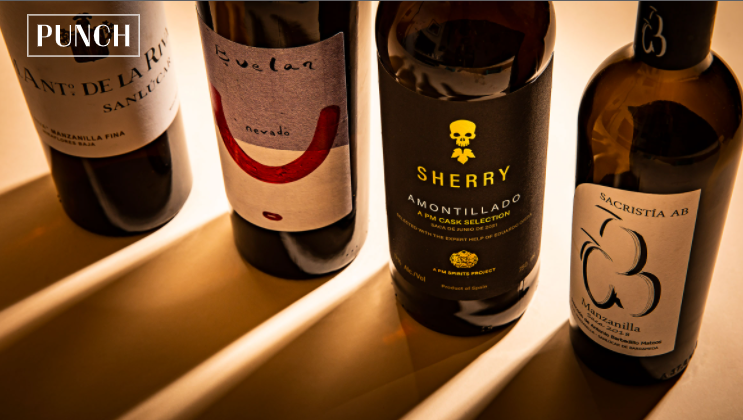
Some are Jerez natives, such as Antonio Barbadillo Mateos of the Sacristía AB project, and Ramiro Ibáñez and Willy Pérez, the duo behind the resurrected M. Antonio de la Riva label. Others, including Nicolas Palazzi of PM Spirits and Buelan Compañía de Sacas’ Nick Africano, operate out of the United States. They are united not only in their rejection of sherry as a standardized, industrial wine, but also in their desire to carve out a more intimate model for the region.

For Nicolas Palazzi, owner of rare spirits distributor PM Spirits, the collection of sherries he released late last year signaled a case study in sherry’s diversity. Since 2012, Palazzi has partnered with Equipo Navazos to bottle a series of highly-coveted single-cask Spanish brandy, whisky and rum under their Navazos Palazzi label. Even as someone who makes his living importing small-batch spirits, Palazzi was struck by the enormous variation between barrels in a single sherry solera system. “When you’re sampling different casks of spirits, a lot of the time you will find some small differences, but if it’s the same run, put in the same type of cask and aged in the same place for the same amount of time, the stuff you get is going to be pretty similar,” he explains. “But with sherry, it’s mind-bending. You can taste four different casks of the same exact wine and they’re all vastly different.”

“I saw a gap in the market for serious wines from this region, since everyone thought of manzanilla as something cheap, relatively young and accessible.”

In a typical bottling process, the solera would absorb and assimilate the individual profiles of these casks, rounding out their wayward edges into a smooth and seamless whole. At the scale that Palazzi describes, however, the goal is to capture the unique personality of a single barrel, or the distinctions that exist from one barrel to the next. “It sounds like a cliché, but these casks are living things,” Palazzi says.

New bottlers like Palazzi have arrived in Jerez at an inflection point. For all the recent talk of a renaissance, sherry remains a niche category. And while the cult model adopted by Equipo Navazos and its descendants has ushered in a new era of critical appreciation for the region’s finest wines, that’s not enough to sustain an entire wine industry. The question on everyone’s minds, then, is: What’s next?

INDIE SHERRIES TO TRY

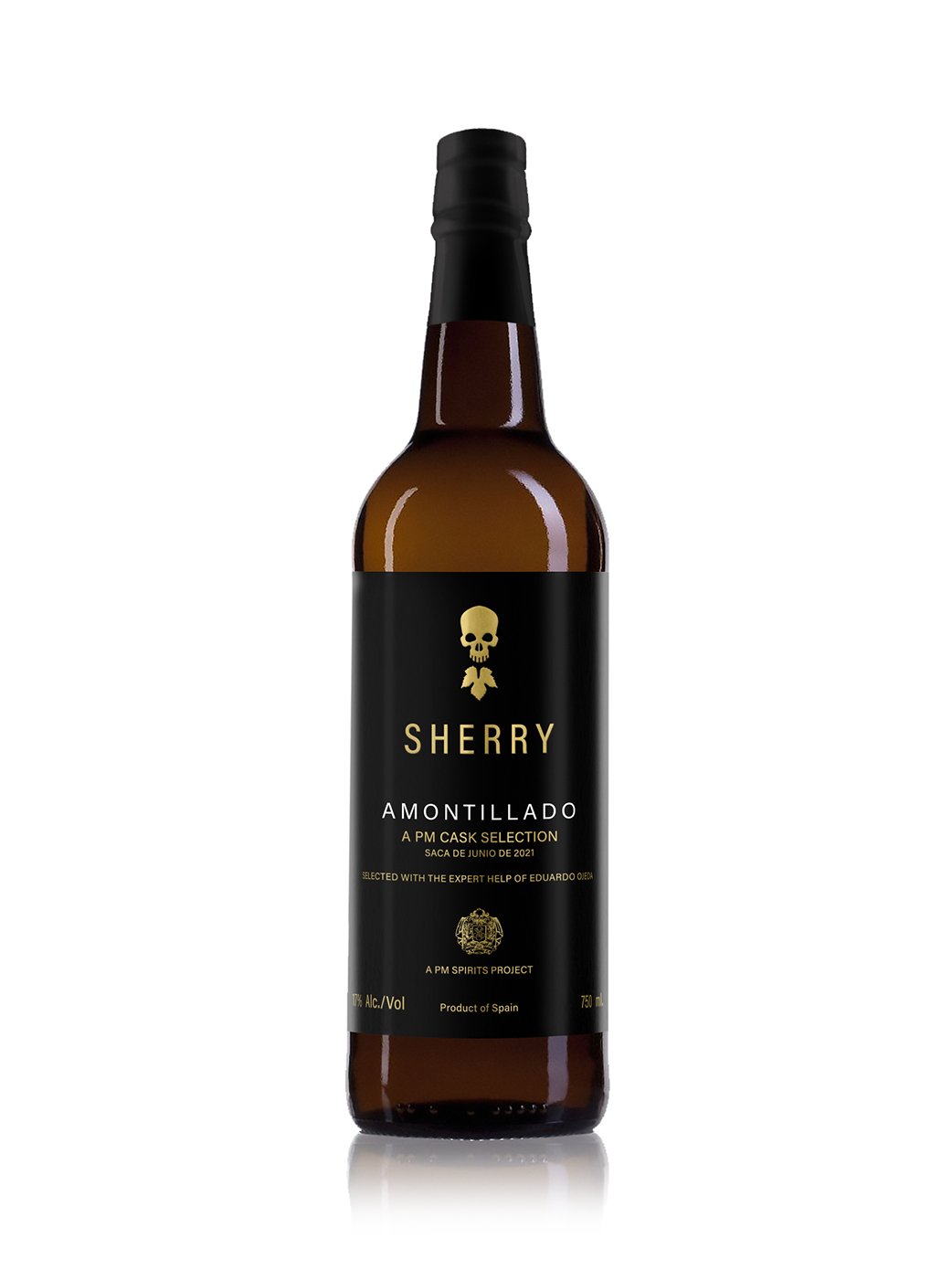
PM Spirits Amontillado

“Selected with the expert help of Eduardo Ojeda,” as its label proudly declares, the PM Spirits amontillado drinks noticeably brighter and fresher than many examples of the genre, happily embracing its inner fino with a pronounced flor character. Although the packaging doesn’t mention where it was sourced, Palazzi notes that the wine came from several casks belonging to a prominent bodega with roots in the late 19th century. Light amber in the glass, it’s energetic and lively, especially for the style—as close to easy-drinking as amontillado gets.

https://punchdrink.com/articles/fino-manzanilla-amontillado-sherry-indie-moment/

In Search of the Ultimate Freezer Martini

la Quintinye, martiniNicolas Palazzi
Screen Shot 2021-05-18 at 4.44.48 PM.png

We asked 10 of the world's best bartenders to submit their finest recipe for the pre-batched Martini—then blind-tasted them all to find the best of the best.

It’s been nearly a year since PUNCH conducted a new edition of the long-running “ultimate” blind-tasting series. In the age of COVID-19, such close gatherings of drink judges, sipping from successive versions of the same cocktail, all prepped by a guest bartender, were strictly a non-starter.

So, with COVID Nation still very much a thing, what drink could safely bring the series back to life? The prebatched, prechilled Martini, naturally. The prefab format of the classic—which was an established trend and served in many bars before the pandemic arrived—is perfectly suited to this new at-home era.

On a recent Monday, I was joined by PUNCH editors Talia Baiocchi and Chloe Frechette and bar owners Meaghan Dorman (Raines Law Room, Dear Irving) and St. John Frizell (Fort Defiance, Gage & Tollner) via Zoom to taste through 10 batched Martinis submitted by bartenders from the United States and England. The drinks had already arrived via contactless delivery. Judges were instructed to keep the mini-bottles in the freezer until tasting time.

Though batched cocktails can be controversial—many people are attached to the ritual of a bartender making their drink on the spot, particularly when it comes to the Martini—the panel convened with no prejudices. “We’re longtime fans of freezer Martinis,” said Frechette, who added that she thought batching was the way to prepare spirit-forward recipes during quarantine. Dorman agreed that premade drinks are an ideal fit for the current times, when most folks are entertaining at home for themselves and maybe a partner or roommate. “I think you should treat yourself right now and this is the way to do it,” she said.

This particular tasting brought to the table a few new variables that wouldn’t apply in a standard sampling of Martinis. Dilution had to be addressed anew. Since the cocktails are designed to simply be pulled from the freezer and poured, they weren’t receiving their dose of softening water through the usual spin in a mixing glass filled with ice. Instead, water was added directly to the batch and had to be precisely portioned out. Too much or too little could prove disastrous. One Martini in the running didn’t make the cut because the judges thought it too strong—i.e., lacked sufficient H2O. Another suffered from a surplus of added water, rendering it weak and, well, watery.

Temperature, too, was an important factor. Martinis are expected to be cold, naturally, but these freezer-born numbers were particularly icy—a consideration the bartenders had to factor in when choosing their ingredients and honing their ratios. “Martinis in this format dull the aroma and the alcohol comes forward,” explained Baiocchi.

That issue notwithstanding, the panel was surprised by the variety of character they encountered from one glass to the next. And, as would be expected in any sampling of signature Martinis, there were some odd flights of fancy. One recipe called for both sherry and peated Scotch; another included a hefty dose of absinthe. The judges didn’t necessarily dislike either drink; they simply didn’t read as Martinis.

Finding favor was a unique specimen submitted by Orlando Franklin McCray of Brooklyn’s Nightmoves, who put together high-proof, saffron-tinged Old Raj gin, La Quintinye Extra Dry vermouth and orange bitters. The judges liked the concentration of bold flavors but thought the recipe would have benefited from higher dilution.

With the vast changes in bar regulations brought on by COVID, Frizell said that he both hopes and expects to see more prebatched cocktails on the market when the pandemic recedes and bars fully reopen.

“My hat is off to the New York State Liquor Authority for the first time in my life, for freeing up the rules so quickly,” he said. “We’re able to do so many things now that we would have lost our license for before.”

For the time being, however, he’s doing what most every other cocktail lover has been doing for the past year: shaking up his own at home. “I’ve been drinking my own Martini almost every day,” said Frizell.

https://punchdrink.com/articles/ultimate-best-freezer-frozen-pre-batched-martini-recipe/